Author name: Admin

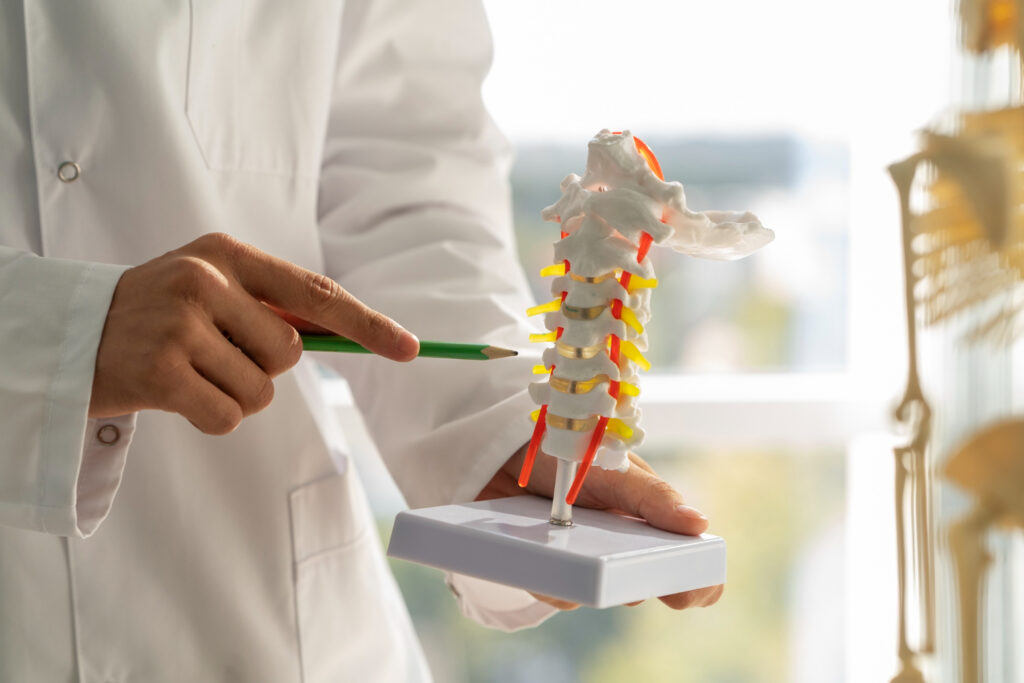
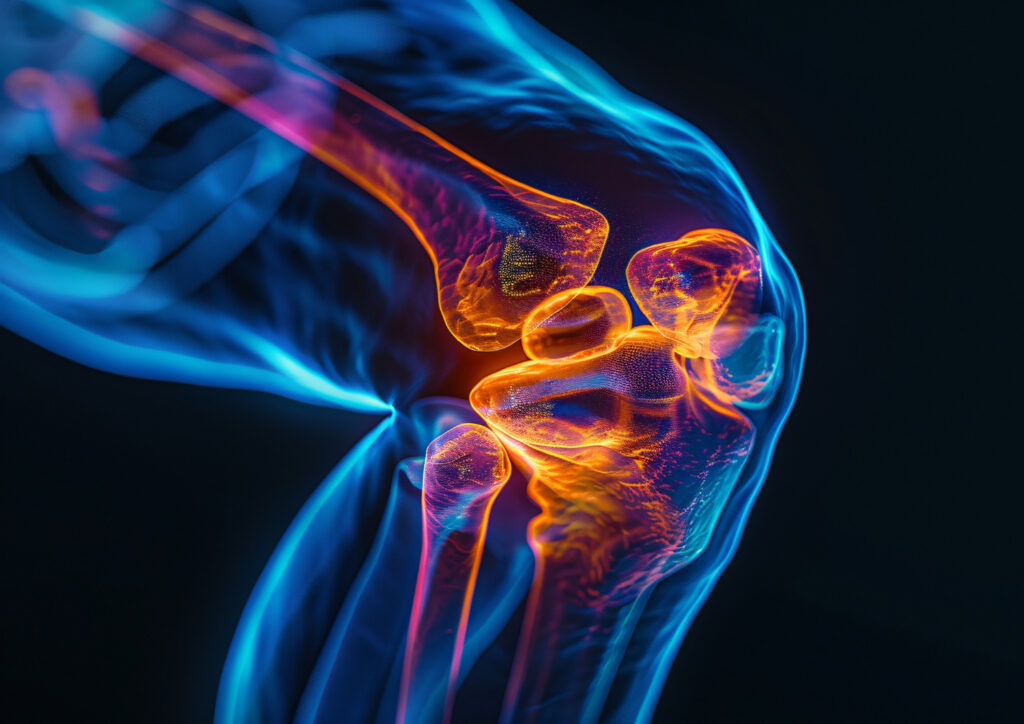
The leading orthopedics doctors in Islamabad, where NIRS holds the top ranking for expert orthopedic surgery, joint replacement, spine care and trauma management. This image highlights the premier clinic setting, specialist physicians, and advanced facilities that make NIRS the #1 destination for orthopedic health in Islamabad and beyond.
Blogs

Top 10 Orthopedics Doctors in Islamabad

🏥 Top 10 Orthopedics Doctors in Islamabad Orthopedic doctors in Islamabad are transforming patient care by offering advanced treatments for bone, joint, spine, and muscular disorders. From minimally invasive procedures to complex surgeries, these experts focus on restoring mobility, reducing pain, and improving quality of life. NIRS Islamabad (Northern Interventional Radiology Services) collaborates with some of the country’s finest orthopedic specialists, making it a hub of excellence for musculoskeletal health. Below is the list of the Top 10 Orthopedic Doctors in Islamabad, each trusted for their expertise, innovation, and patient-focused care. 1. Dr. Atif Nawaz – Senior Orthopedic Surgeon at NIRS Islamabad 🏥 Professional OverviewDr. Atif Nawaz is highly regarded for his precision in treating complex orthopedic conditions. At NIRS Islamabad, he combines cutting-edge technology with personalized care for bone, joint, and spine health. 🎓 Education & Training 💡 Areas of Expertise 2. Dr. Muhammad Ismail – Leading Orthopedic Specialist at NIRS Islamabad 🏥 Professional OverviewDr. Muhammad Ismail is one of the most respected orthopedic doctors in Islamabad, providing advanced care for musculoskeletal disorders with safer outcomes and faster recovery. 🎓 Education & Training 💡 Areas of Expertise 3. Dr. Asad Zaman – Orthopedic Surgeon at NIRS Islamabad 🏥 Professional OverviewDr. Asad Zaman is known for his commitment to precision medicine, offering advanced orthopedic treatments that minimize recovery time. 🎓 Education & Training 💡 Areas of Expertise 4. Dr. Adeel Akhtar – Expert Orthopedic Surgeon in Islamabad 🏥 Professional OverviewDr. Adeel Akhtar specializes in orthopedic trauma and joint surgeries, using modern surgical and non-surgical methods for patient recovery. 🎓 Education & Training 💡 Areas of Expertise 5. Dr. Afrab Akhtar – Skilled Orthopedic Consultant in Islamabad 🏥 Professional OverviewDr. Afrab Akhtar is recognized for treating a wide range of orthopedic problems using patient-focused care and minimally invasive techniques. 🎓 Education & Training 💡 Areas of Expertise 6. Dr. Nadeem Zafar – Orthopedic Surgery Consultant in Islamabad 🏥 Professional OverviewDr. Nadeem Zafar offers expertise in orthopedic trauma and joint surgery, reducing hospital stays with efficient treatment approaches. 🎓 Education & Training 💡 Areas of Expertise 7. Dr. Arif Herekar – Senior Orthopedic Surgeon in Islamabad 🏥 Professional OverviewDr. Arif Herekar is known for his advanced skills in treating complex orthopedic cases with precision and care. 🎓 Education & Training 💡 Areas of Expertise 8. Dr. Saeed Qureshi – Expert Orthopedic Specialist in Islamabad 🏥 Professional OverviewDr. Saeed Qureshi specializes in orthopedic trauma and joint replacement, offering evidence-based treatment plans. 🎓 Education & Training 💡 Areas of Expertise 9. Dr. Tariq Mahmood – Trusted Orthopedic Doctor in Islamabad 🏥 Professional OverviewDr. Tariq Mahmood provides compassionate care with advanced orthopedic surgical and non-surgical treatments. 🎓 Education & Training 💡 Areas of Expertise 10. Dr. Shahid Jamal – Accomplished Orthopedic Surgeon in Islamabad 🏥 Professional OverviewDr. Shahid Jamal is highly skilled in bone, joint, and spine care, offering advanced orthopedic treatments that ensure faster recovery. 🎓 Education & Training 💡 Areas of Expertise ✅ SEO Elements for WordPress 👉 Do you want me to now expand this into a full 1200-word SEO blog (like your IR version) with more patient-focused explanations, FAQs, and conclusion for WordPress publishing?
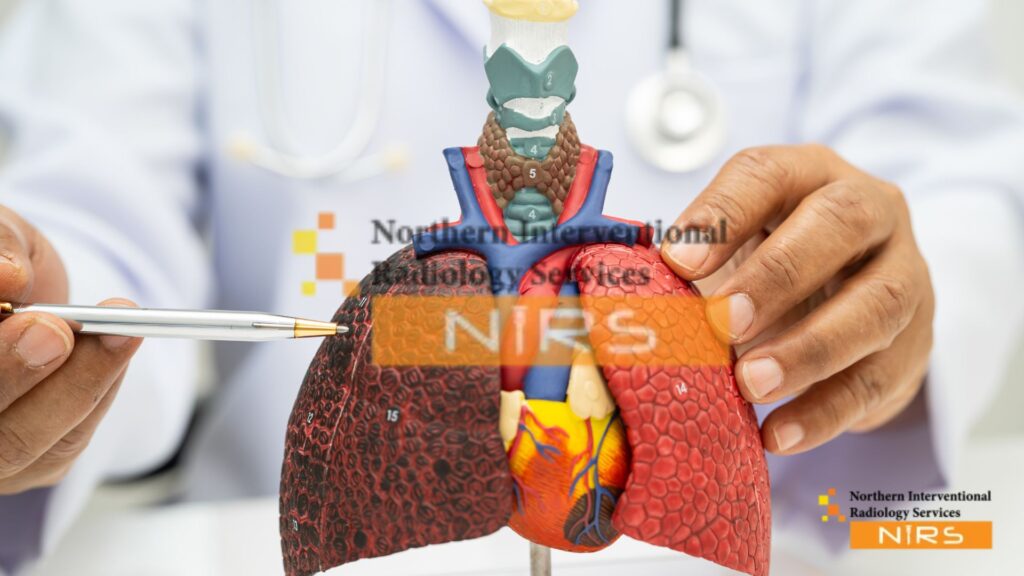
liver cancer treatment with interventional radiology at NIRS Pakistan, showcasing expert radiologists performing TACE (Transarterial Chemoembolization) and Radiofrequency Ablation (RFA) procedures. Using advanced imaging and catheter-based technology, NIRS offers targeted tumor therapy that minimizes side effects and maximizes recovery.
Blogs

Liver Cancer Treatment with Interventional Radiology: What You Need to Know

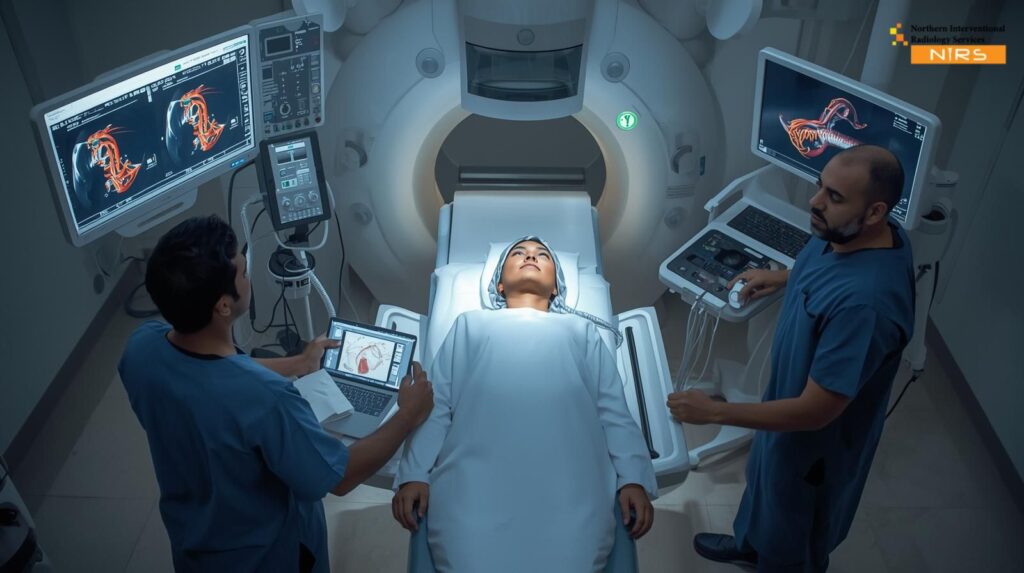
Interventional Radiology for Liver Cancer Treatment Liver Cancer is one of the most common and challenging cancers worldwide, especially in regions like Pakistan where late detection and limited treatment access make management complex. Traditionally, liver cancer treatment involved surgery or chemotherapy, but these approaches can be highly invasive and difficult for some patients to tolerate. Thanks to modern medical advancements, Interventional Radiology (IR) has emerged as a revolutionary field offering minimally invasive, image-guided treatments that effectively target liver tumors while preserving healthy liver tissue. At Northern Interventional Radiology Services (NIRS), we specialize in cutting-edge interventional oncology procedures, bringing world-class liver cancer care closer to home. 🩻 Understanding Liver Cancer Liver cancer occurs when abnormal cells grow uncontrollably in the liver. The most common type, hepatocellular carcinoma (HCC), often develops in patients with chronic liver diseases such as hepatitis B, hepatitis C, or cirrhosis. Symptoms of liver cancer may include: Early detection is crucial, as the liver’s regenerative capacity can mask symptoms until the disease is advanced. That’s why imaging and early diagnosis at centers like NIRS play a vital role. 🧬 The Role of Interventional Radiology in Liver Cancer Treatment Interventional Radiology is transforming how liver cancer is managed. Instead of traditional surgery, IR uses real-time imaging guidance — like CT scans, ultrasound, and fluoroscopy — to deliver treatment directly to the tumor. These procedures are performed through tiny incisions, making them safer, faster, and less painful than open surgeries. At NIRS, our interventional radiologists are highly trained to perform the most advanced and targeted treatments for liver cancer, including: 🧫 1. Transarterial Chemoembolization (TACE) TACE is one of the most effective interventional treatments for liver cancer. During this procedure, a thin catheter is guided through the blood vessels to the artery feeding the tumor. A combination of chemotherapy drugs and blocking agents (embolic particles) is then delivered directly into the tumor’s blood supply. This dual action: This approach maximizes the tumor-killing effect while minimizing side effects on the rest of the body. ☢️ 2. Radioembolization (Y-90 Therapy) Also known as Selective Internal Radiation Therapy (SIRT), Radioembolization involves injecting tiny radioactive beads (Yttrium-90) into the arteries supplying the liver tumor. These beads emit radiation that destroys cancer cells from within — without harming nearby healthy tissue. It’s a highly targeted, outpatient-friendly therapy that significantly improves survival rates and quality of life for liver cancer patients. 🌡️ 3. Tumor Ablation (RFA and MWA) Radiofrequency Ablation (RFA) and Microwave Ablation (MWA) are techniques that use heat energy to destroy cancer cells. Under ultrasound or CT guidance, a small needle-like probe is inserted into the tumor, where it generates intense heat to kill the cancerous tissue. This method is ideal for small or early-stage liver tumors and can be repeated safely if new lesions appear. 💧 4. Percutaneous Drainage and Palliative Procedures For advanced liver cancer cases, interventional radiologists also provide palliative care—procedures that relieve pain, drain fluid buildup, and improve overall comfort. These therapies help maintain quality of life even in later stages of the disease. ⚙️ Benefits of Interventional Radiology in Liver Cancer Interventional Radiology offers significant advantages over traditional surgical treatments: At NIRS, our radiologists combine precision imaging with years of experience to ensure every procedure delivers optimal outcomes. 🏥 Why Choose NIRS for Liver Cancer Treatment in Pakistan Northern Interventional Radiology Services (NIRS) is one of Pakistan’s leading centers for advanced diagnostic imaging and minimally invasive cancer therapies. Our interventional oncology unit offers: We are committed to providing international-standard care, using techniques that are both innovative and accessible for patients across Pakistan. 🌿 Supporting Liver Health Beyond Treatment At NIRS, we emphasize not only treatment but also prevention and follow-up care. Patients are guided on maintaining a healthy liver through lifestyle changes such as: Our team works closely with patients to ensure long-term wellness and continuous support after treatment. 🧭 Final Thoughts Liver Cancer is a serious diagnosis, but with the power of Interventional Radiology, patients now have safer and more effective treatment options. At Northern Interventional Radiology Services (NIRS), we’re redefining cancer care through advanced, minimally invasive therapies that target tumors with unmatched accuracy and care. Whether it’s TACE, ablation, or radioembolization, our mission is to provide hope, healing, and the highest standard of medical excellence. To learn more or book a consultation, visit www.nirs.com.pk and discover how our interventional radiology experts can help you take control of your liver cancer journey.

Top 10 Expert Orthopedic Doctors in Abbottabad providing advanced bone, joint, and spine treatments with modern surgical care.
Blogs

Top 10 Expert Orthopedic Doctors in Abbottabad

🏥 Top 10 Expert Orthopedic Doctors in Abbottabad Orthopedics is a vital branch of medicine that deals with the diagnosis, treatment, and prevention of bone, joint, muscle, ligament, and spine disorders. In Abbottabad, patients often struggle with conditions like chronic back pain, arthritis, sports injuries, fractures, and spinal deformities. Thankfully, the city is home to highly skilled orthopedic doctors who provide world-class treatment, helping patients restore mobility and live pain-free lives. This blog lists the Top 10 Expert Orthopedic Doctors in Abbottabad, highlighting their expertise, specialties, and contributions to musculoskeletal health. Whether you are dealing with joint pain, a sports injury, or a complex orthopedic condition, these specialists are trusted for their professional care and advanced treatment options. 1. Dr. Atif Nawaz – Senior Orthopedic Surgeon, Abbottabad 🏥 Professional OverviewDr. Atif Nawaz is a leading name in orthopedic surgery in Abbottabad, known for his expertise in minimally invasive procedures and trauma care. Patients trust him for accurate diagnosis and patient-centered treatment. 🎓 Education & Training 💡 Areas of Expertise 2. Dr. Muhammad Ismail – Orthopedic Specialist in Abbottabad 🏥 Professional OverviewDr. Ismail has earned recognition as one of the most respected orthopedic doctors in Abbottabad. His focus is on bone and joint health with minimally invasive techniques. 🎓 Education & Training 💡 Areas of Expertise 3. Dr. Asad Zaman – Orthopedic Surgeon, Abbottabad 🏥 Professional OverviewDr. Zaman is known for his precision in musculoskeletal treatments, offering both surgical and non-surgical orthopedic care. 🎓 Education & Training 💡 Areas of Expertise 4. Dr. Adeel Akhtar – Trauma & Orthopedic Specialist in Abbottabad 🏥 Professional OverviewDr. Adeel Akhtar is an expert in handling trauma cases and joint replacements. His patient-first approach makes him one of Abbottabad’s most trusted orthopedic doctors. 🎓 Education & Training 💡 Areas of Expertise 5. Dr. Afrab Akhtar – Orthopedic Consultant, Abbottabad 🏥 Professional OverviewDr. Afrab Akhtar is recognized for using modern orthopedic techniques to restore mobility in patients suffering from chronic pain and joint disorders. 🎓 Education & Training 💡 Areas of Expertise 6. Dr. Nadeem Zafar – Consultant Orthopedic Surgeon, Abbottabad 🏥 Professional OverviewDr. Zafar is known for delivering advanced orthopedic care, focusing on quick recovery and improved patient outcomes. 🎓 Education & Training 💡 Areas of Expertise 7. Dr. Arif Herekar – Senior Orthopedic Specialist, Abbottabad 🏥 Professional OverviewWith decades of experience, Dr. Arif is highly trusted for managing complex orthopedic cases with precision and compassion. 🎓 Education & Training 💡 Areas of Expertise 8. Dr. Saeed Qureshi – Expert Orthopedic Surgeon in Abbottabad 🏥 Professional OverviewDr. Saeed Qureshi has extensive experience in orthopedic trauma and rehabilitation. His treatments aim to restore mobility quickly. 🎓 Education & Training 💡 Areas of Expertise 9. Dr. Tariq Mahmood – Orthopedic Consultant in Abbottabad 🏥 Professional OverviewDr. Tariq Mahmood is committed to delivering evidence-based orthopedic care, blending innovation with traditional approaches. 🎓 Education & Training 💡 Areas of Expertise 10. Dr. Shahid Jamal – Orthopedic Surgeon, Abbottabad 🏥 Professional OverviewDr. Shahid Jamal is known for his excellence in musculoskeletal surgeries, trauma care, and sports medicine. 🎓 Education & Training 💡 Areas of Expertise ✅ Conclusion Orthopedic health is essential for mobility, independence, and overall quality of life. The Top 10 Expert Orthopedic Doctors in Abbottabad are leading specialists who provide advanced care for bone, joint, muscle, and spine conditions. Whether you need treatment for chronic pain, a sports injury, or complex trauma, these doctors ensure expert care and faster recovery. For patients in Abbottabad, NIRS and its network of orthopedic doctors stand as a symbol of trust and excellence.

Interventional Radiology for Peripheral Artery Disease
Blogs

How Interventional Radiology Helps Treat Peripheral Artery Disease (PAD)

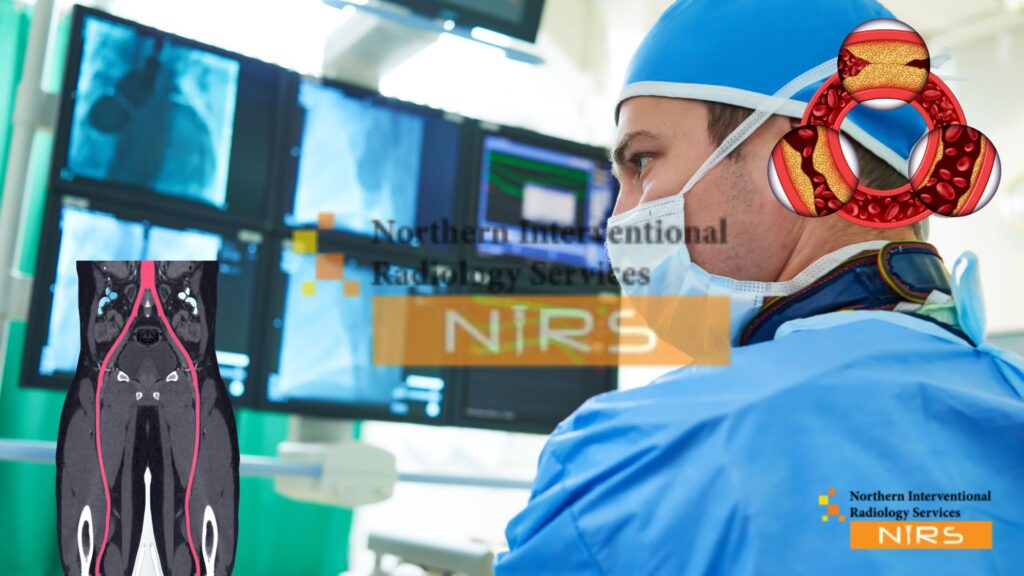
Best Interventional Radiology for Peripheral Artery Disease Peripheral Artery Disease (PAD) is a growing health concern in Pakistan and around the world. It occurs when arteries that supply blood to the legs and arms become narrowed due to plaque buildup. This reduces oxygen flow to the muscles and can cause leg pain, fatigue, and slow-healing wounds. If left untreated, PAD can lead to severe complications, including tissue damage or even amputation. At NIRS (National Institute of Radiological Sciences), our interventional radiology specialists offer advanced, minimally invasive treatments that effectively restore blood circulation and improve quality of life for patients suffering from PAD. 🧬 Understanding Peripheral Artery Disease (PAD) PAD develops due to atherosclerosis, a condition where fatty deposits and cholesterol accumulate inside artery walls. This buildup narrows the arteries, limiting blood flow to the extremities. The most commonly affected area is the lower limbs, though PAD can also affect the arms and other arteries. Common symptoms include: Because PAD often develops silently, early detection through vascular imaging at NIRS can help prevent serious complications. 💉 Interventional Radiology: A Modern Approach to PAD Traditional treatments for PAD often involved open surgery. However, Interventional Radiology (IR) provides a safer, faster, and less invasive option. Using real-time imaging guidance—such as X-rays, fluoroscopy, or ultrasound—our radiologists can navigate small instruments through tiny incisions to open blocked arteries and restore blood flow. At NIRS Pakistan, we utilize cutting-edge imaging technology and precision-based IR techniques to ensure optimal patient outcomes. 🩸 1. Angioplasty One of the most common IR procedures for PAD is angioplasty. In this procedure, a small balloon-tipped catheter is inserted into the blocked artery. Once in place, the balloon is inflated to widen the artery and improve blood flow. Often, angioplasty is combined with stent placement—a small mesh tube that keeps the artery open long-term. ⚙️ 2. Stent Placement When plaque causes recurring blockages, a stent is used to reinforce the artery walls. NIRS uses advanced drug-eluting stents that release medication to prevent re-narrowing, ensuring long-lasting results. 🪶 3. Atherectomy In severe cases, plaque buildup may need to be physically removed. Atherectomy involves using a specialized device to cut or shave away plaque from the artery walls, restoring smooth blood flow without major surgery. 💨 4. Thrombolysis and Thrombectomy If PAD leads to blood clots, our radiologists perform thrombolysis (injecting clot-dissolving medicine) or thrombectomy (mechanically removing the clot). These procedures are life-saving when immediate blood flow restoration is needed. 🩹 Benefits of Interventional Radiology for PAD Choosing NIRS Interventional Radiology means benefiting from the latest minimally invasive care options. Key advantages include: Every procedure at NIRS is performed under sterile, state-of-the-art conditions by certified interventional radiologists. 🌿 Why Choose NIRS for PAD Treatment in Pakistan At NIRS, we are committed to delivering patient-centered vascular care. Our interventional radiology department combines clinical expertise with advanced imaging systems to diagnose and treat PAD effectively. We offer: Our goal is to restore mobility, relieve pain, and prevent the long-term consequences of Peripheral Artery Disease through innovative, evidence-based care. 🧠 Preventing PAD: Lifestyle and Follow-Up In addition to medical treatments, lifestyle changes play a vital role in preventing PAD progression.Here are a few essential tips recommended by NIRS specialists: 💬 Final Thoughts Peripheral Artery Disease can be debilitating, but with early diagnosis and the right treatment, recovery and relief are possible. Interventional Radiology at NIRS Pakistan offers patients a modern path to healing—minimally invasive, highly effective, and designed to restore your circulation and confidence. If you’re experiencing leg pain, cramping, or numbness, don’t wait. Visit NIRS.com.pk or book a consultation with our expert interventional radiologists today.

Interventional radiologist performing advanced minimally invasive cancer treatment in Islamabad using fluoroscopy and CT guidance at NIRS
Blogs

Interventional Radiology for Cancer Treatment: Precision Without Surgery

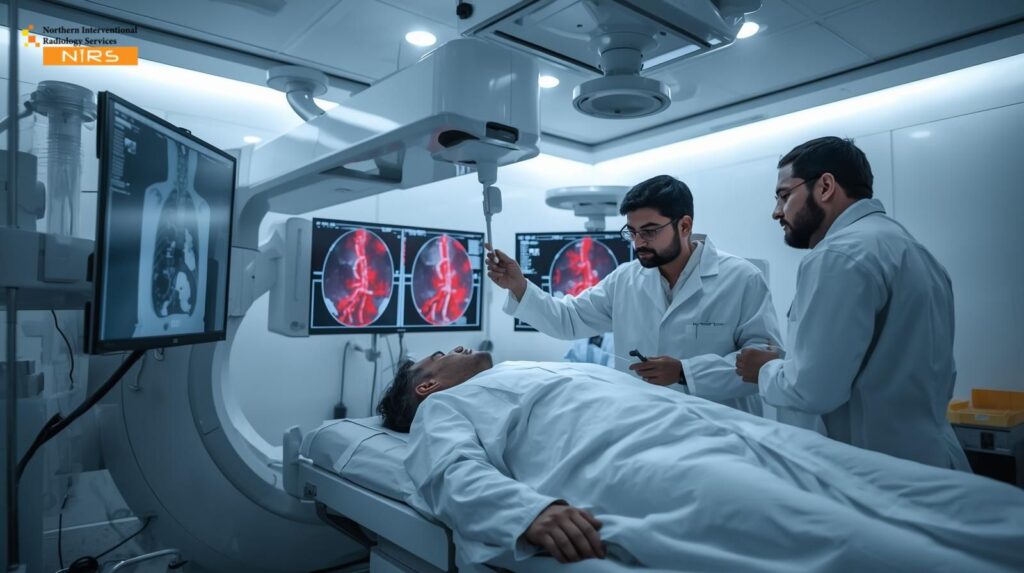
Interventional Radiology for Advanced Cancer Treatment Cancer remains one of the leading health challenges globally — and in Pakistan, its burden continues to rise. As treatment technologies evolve, patients now have access to more precise, less invasive, and highly effective cancer care options. One such breakthrough is Interventional Radiology (IR) — a medical specialty that uses real-time imaging to diagnose and treat cancers without traditional open surgery. At NIRS (National Institute of Radiological Sciences), our experts specialize in image-guided cancer treatment, providing patients with safer, faster, and more comfortable alternatives to conventional surgery and chemotherapy. 🎯 What Is Interventional Radiology? Interventional Radiology (IR) involves performing targeted medical procedures using imaging technologies such as CT scans, ultrasound, fluoroscopy, and MRI. These imaging tools allow radiologists to precisely guide small catheters or needles into tumors or affected areas — enabling minimally invasive cancer treatments with high precision and minimal discomfort. Unlike open surgery, IR treatments require only small skin punctures, which means shorter hospital stays, reduced pain, and quicker recovery times. 🧬 The Role of Interventional Radiology in Cancer Treatment Interventional Radiology plays a critical role in every stage of Cancer Treatment — from diagnosis to direct tumor therapy and even palliative care.At NIRS Pakistan, our radiologists collaborate closely with oncologists and surgeons to design personalized treatment plans based on each patient’s cancer type and stage. Here are some of the key IR procedures used in cancer management: 🔬 1. Image-Guided Biopsy Accurate diagnosis is the first step toward effective treatment. Using advanced imaging guidance, NIRS specialists perform needle biopsies to collect tissue samples from deep within the body — safely and with pinpoint accuracy. This helps determine the exact type and stage of cancer. 🌡️ 2. Tumor Ablation (Radiofrequency, Microwave & Cryoablation) Tumor ablation is one of the most effective IR-based therapies. It involves destroying cancer cells by applying heat, cold, or electrical energy directly to the tumor. These techniques are commonly used for liver, kidney, lung, and bone cancers, often as an alternative to surgery. 💉 3. Transarterial Chemoembolization (TACE) TACE is a groundbreaking treatment primarily used for liver cancer. During this procedure, a catheter is guided into the artery supplying the tumor. Chemotherapy drugs are delivered directly into the cancer site, followed by blocking the artery (embolization) to cut off the tumor’s blood supply.This method ensures maximum effect on the tumor with minimal impact on healthy tissues. 🩸 4. Radioembolization (Y-90 Therapy) Radioembolization, or Selective Internal Radiation Therapy (SIRT), combines embolization with targeted radiation. Tiny radioactive beads (Yttrium-90) are injected into the tumor’s blood vessels, releasing localized radiation to destroy cancer cells while sparing surrounding tissue. NIRS is among the few institutes in Pakistan offering this highly specialized treatment under expert supervision. 🧫 5. Palliative Interventions For patients in advanced stages of cancer, IR provides vital palliative care options. Procedures such as drainage of fluid collections, stent placements, and pain management injections significantly improve comfort and quality of life, even when a cure is not possible. 💎 Benefits of Interventional Radiology in Cancer Treatment Patients choosing IR-based cancer care at NIRS Pakistan benefit from: These advantages make IR an essential part of modern, patient-centered cancer therapy. 🏥 NIRS: Leading the Way in Cancer Imaging and Intervention At NIRS, our mission is to provide world-class diagnostic and therapeutic radiology services across Pakistan. Our Interventional Radiology Department is equipped with state-of-the-art imaging suites, enabling our experts to deliver treatments with international precision standards. We specialize in: Our highly trained team of radiologists, oncologists, and technologists ensures that every patient receives compassionate, evidence-based care — designed to improve survival rates and quality of life. 🌿 Patient-Centered Approach At NIRS, we understand that every cancer journey is unique. From diagnosis to treatment and follow-up, our specialists support patients at every step. We focus on delivering minimally invasive solutions that align with global standards while ensuring comfort, safety, and dignity throughout the process. 🧭 Final Thoughts Interventional Radiology represents the future of Cancer Treatment — a field where technology meets precision medicine. Through image-guided procedures, NIRS Pakistan offers patients hope, healing, and advanced options that were once unimaginable. Whether it’s early detection, targeted therapy, or pain management, Interventional Radiology at NIRS empowers patients with modern, less invasive alternatives to surgery. For more information or to book an appointment, visit www.nirs.com.pk and discover how our innovative radiology services are transforming cancer care in Pakistan.

Interventional Radiology Procedures in Pakistan – Patient Care
Blogs

Do Interventional Radiology Procedures Hurt? Patient Questions Answered

Interventional Radiology Procedures in Pakistan | NIRS Guide When a doctor recommends an interventional radiology (IR) procedure, one of the first questions patients ask is:👉 “Will it hurt?” It’s a natural concern—no one wants to go through unnecessary pain. The truth is, interventional radiology is designed to be minimally invasive, less painful, and safer than traditional surgery. At Northern Interventional Radiology Services (NIRS) Abbottabad, patients from Islamabad, Rawalpindi, KPK, and all across Pakistan undergo these treatments every day with comfort and confidence. In this blog, we’ll answer the most common patient questions about pain, comfort, and safety in interventional radiology—so you know exactly what to expect. What is Interventional Radiology? Interventional radiology is a modern medical specialty that uses real-time imaging (X-ray, ultrasound, CT, MRI) to guide tiny instruments like needles, catheters, and wires inside the body. Instead of large incisions and long hospital stays, IR procedures involve only tiny entry points (often less than 1 cm) and can be completed in 30–90 minutes. Common treatments include: Do Interventional Radiology Procedures Hurt? Here’s the short answer: Most IR procedures cause little to no pain. Here’s why: Patients often compare the sensation to a small injection or mild pressure, rather than actual pain. Patient Questions Answered 1. Will I Be Awake During the Procedure? Yes, in most cases. Patients are awake but given mild sedation to feel relaxed and comfortable. General anesthesia is rarely required. 2. What Will I Feel? 3. How Long Does Recovery Take? 4. Are There Risks of Pain After the Procedure? Some patients may feel mild soreness, swelling, or bruising at the entry site. This is temporary and managed with pain relievers. 5. What If I Am Nervous About Pain? At NIRS Abbottabad, the care team explains every step clearly and provides sedation options for patients with anxiety. Knowing what to expect often helps reduce fear. Why Interventional Radiology is Less Painful Than Surgery For patients with conditions like vascular blockages, tumors, or chronic pain, IR provides effective treatment without the painful recovery of traditional surgery. Patient Experience at NIRS Abbottabad Patients who visit NIRS Abbottabad often express relief at how comfortable the procedure feels compared to what they imagined. For example: This shows that modern imaging-guided techniques truly deliver precision with patient comfort. When Should You Seek Interventional Radiology? You may be a candidate for IR if you have: 👉 At NIRS Abbottabad, doctors carefully evaluate your symptoms and recommend the right treatment for safe and pain-free recovery. Tips for Patients Before the Procedure Conclusion So, do interventional radiology procedures hurt?👉 The answer is no, not in the way you might expect. With local anesthesia, mild sedation, and minimally invasive techniques, discomfort is minimal, recovery is quick, and results are highly effective. At NIRS Abbottabad, patients are guided every step of the way to ensure safety, comfort, and confidence. Whether you are considering treatment for vascular disease, tumors, or chronic pain, you can rest assured that modern interventional radiology offers precise, effective, and low-pain alternatives to surgery. If you’re worried about pain during treatment, book a consultation today with NIRS Abbottabad and discover how interventional radiology can change your health journey—comfortably.

Vascular Health Treatment in Pakistan – Interventional Radiology
Blogs

Lifestyle Changes That Support Vascular Health After Interventional Radiology Treatment

Advanced Vascular Health Treatment in Pakistan | NIRS Vascular diseases, such as blocked arteries, varicose veins, and blood clots, can significantly affect a person’s quality of life. Thanks to Interventional Radiology (IR), patients now have access to minimally invasive treatments like angioplasty, stenting, embolization, and clot removal. These procedures restore healthy blood flow without the risks of major surgery and allow patients to return home quickly. However, treatment is only the first step. To maintain long-term results, patients must adopt healthy lifestyle changes that support vascular health. At Northern Interventional Radiology Services (NIRS) Abbottabad, patients from Islamabad, Rawalpindi, KPK, and across Pakistan are guided not just through treatment, but also through recovery and lifestyle management. In this blog, we’ll explore the most important lifestyle changes after interventional radiology treatment and why they matter. 1. Maintain a Heart-Healthy Diet What you eat plays a critical role in keeping your arteries and veins healthy. A poor diet can lead to cholesterol buildup, high blood pressure, and recurrent vascular issues. ✅ Recommended Foods: ❌ Foods to Limit or Avoid: 👉 At NIRS, patients are often connected with dietary experts who guide them in choosing the right meal plans to protect their vascular health. 2. Stay Physically Active Regular exercise keeps blood flowing smoothly and prevents blood clots. It also strengthens the heart and improves circulation. Even small changes—like taking the stairs instead of the elevator—can make a big difference in maintaining vascular health. 3. Manage Weight Effectively Excess weight increases the strain on blood vessels and raises the risk of hypertension, diabetes, and varicose veins. By maintaining a healthy weight, patients reduce the likelihood of vascular complications returning. 4. Quit Smoking and Limit Alcohol Smoking is one of the most dangerous risk factors for vascular disease. It damages blood vessels, increases clot formation, and reduces oxygen supply. At NIRS Abbottabad, patients are strongly encouraged to seek smoking cessation programs for long-term vascular health. 5. Control Blood Pressure, Cholesterol, and Diabetes Many vascular issues are directly linked to uncontrolled medical conditions. Patients should: Keeping these conditions under control helps protect blood vessels and prevents repeat procedures. 6. Practice Proper Leg Care (for Varicose Veins & Circulation Issues) If your treatment involved varicose veins or leg circulation problems: 7. Regular Medical Follow-Ups Even after a successful procedure, ongoing monitoring is essential. Follow-up appointments at NIRS Abbottabad allow doctors to: Patients who commit to regular checkups enjoy better long-term results. Benefits of Lifestyle Changes After Interventional Radiology By following these changes, patients can: Conclusion Interventional radiology offers life-changing solutions for patients with vascular problems, but the journey does not end with treatment. Long-term success depends on adopting healthier habits that protect blood vessels and prevent future complications. At NIRS Abbottabad, patients not only receive advanced treatments like angioplasty, stenting, and clot removal, but also expert guidance on lifestyle changes that support vascular health. By eating right, exercising, quitting smoking, and attending regular follow-ups, patients can ensure lasting results and a healthier future. 👉 If you have undergone or are considering vascular treatment, connect with NIRS Abbottabad today to learn more about how interventional radiology and lifestyle changes together can restore and protect your vascular health.

Interventional Radiology Treatment in Pakistan – Patient Care
Blogs

Step-by-Step: What to Expect on the Day of Your Interventional Radiology Treatment

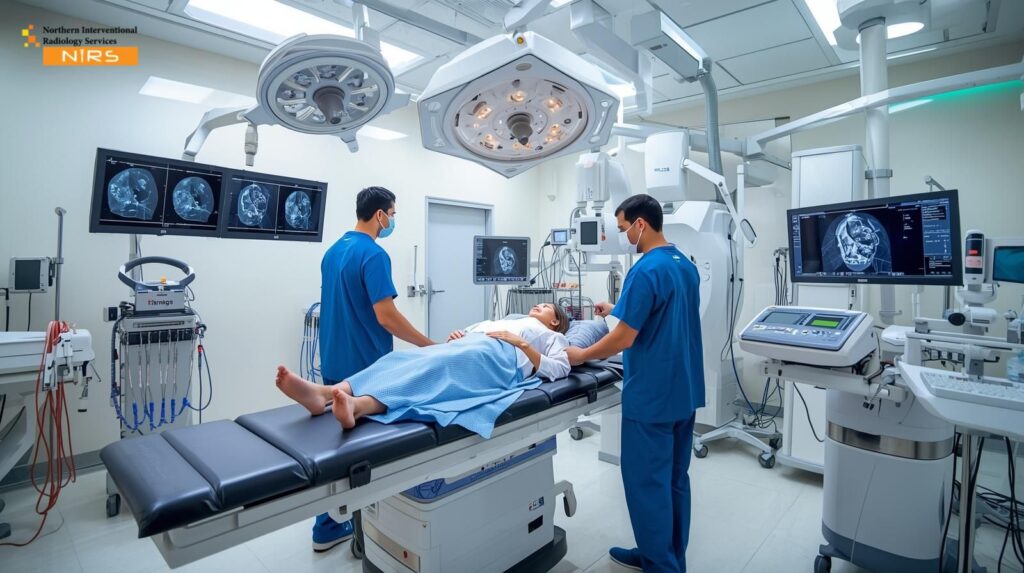
Interventional Radiology Treatment in Pakistan | NIRS Guide For many patients, the idea of undergoing a medical procedure brings both curiosity and concern. Questions like “Will it hurt?”, “How long will it take?”, or “What should I bring?” are very common. The good news is that Interventional Radiology (IR) procedures are among the safest, least invasive, and most effective medical treatments available today. At Northern Interventional Radiology Services (NIRS) Abbottabad, patients from Islamabad, Rawalpindi, KPK, and across Pakistan regularly undergo procedures like tumor ablation, angioplasty, pain management injections, and biopsies. These treatments are performed with precision using image-guided technology, allowing faster recovery compared to surgery. If you are scheduled for an interventional radiology procedure, this guide will walk you through step-by-step what to expect on the day of your treatment. 1. Arrival and Registration On the day of your procedure, you will arrive at NIRS Abbottabad’s diagnostic and interventional radiology center. Patients are advised to: The registration team will confirm your details, and a nurse will guide you through the next steps. 2. Pre-Procedure Consultation Before your treatment begins, you will meet with an interventional radiologist. This step ensures that: This consultation helps reduce anxiety and builds confidence. Patients often appreciate how NIRS doctors take time to listen and explain every detail clearly. 3. Preparing for the Procedure Once consultation is complete, you will be taken to a preparation area where: Unlike traditional surgery, general anesthesia is rarely required, which means fewer risks and faster recovery. 4. Inside the Procedure Room When you are moved to the interventional radiology suite, you will notice advanced equipment including X-ray, CT, or ultrasound machines. These allow the radiologist to see inside your body in real time. During the procedure: Most treatments take 30–90 minutes, depending on the complexity. 5. After the Procedure: Recovery Area Once your treatment is complete: Compared to surgery, recovery from interventional radiology is quicker, less painful, and without large scars. 6. Going Home and Aftercare Before discharge, you will receive detailed aftercare instructions such as: Most patients resume normal activities within 1–2 days, compared to weeks of recovery after surgery. Benefits of Interventional Radiology at NIRS Abbottabad Patients choose NIRS Abbottabad because of: When to Consider Interventional Radiology If you suffer from: 👉 Interventional radiology could be the right solution for you. Conclusion Undergoing a medical procedure does not need to be stressful. With interventional radiology, patients experience safe, precise, and minimally invasive treatments that deliver excellent results without the risks of major surgery. At NIRS Abbottabad, every patient is guided step by step—from arrival to aftercare—ensuring a smooth and comfortable experience. Whether you are seeking tumor treatment, pain relief, or vascular therapy, NIRS provides advanced interventional radiology services for patients across Islamabad, Rawalpindi, KPK, and Northern Pakistan. If you have an upcoming procedure, remember: you are in safe hands at NIRS Abbottabad.

CT Scan vs MRI in Pakistan – Diagnostic Imaging Machines
Blogs

CT Scan vs. MRI: Which Imaging Test Should You Choose?

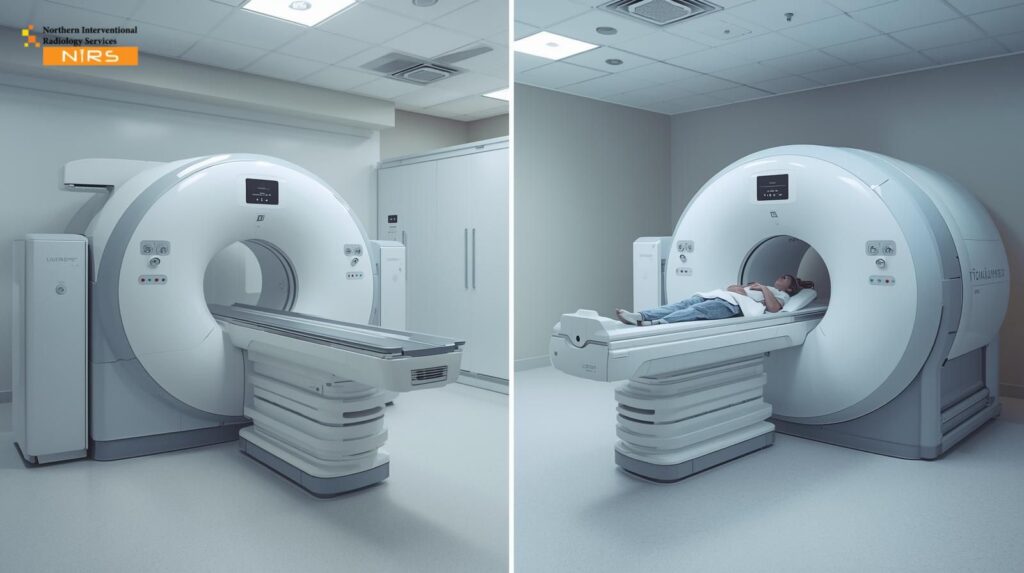
CT Scan vs MRI in Pakistan | Detailed Comparison Guide When your doctor recommends medical imaging, one of the most common questions patients ask is: “Should I go for a CT scan or an MRI?” Both tests provide valuable insights into what’s happening inside the body, but they work differently and are used for different medical conditions. At Northern Interventional Radiology Services (NIRS) Abbottabad, patients from Islamabad, Rawalpindi, KPK, and across Pakistan have access to both CT scans and MRI scans using state-of-the-art equipment. Choosing the right test depends on the type of condition, the area of the body being examined, and the level of detail required. This blog will help you understand the differences between CT scans and MRIs, when each is recommended, and how they can help doctors make accurate diagnoses. What is a CT Scan? A CT scan (Computed Tomography) uses X-rays and computer technology to create detailed cross-sectional images of the body. Think of it as taking multiple X-rays from different angles and combining them into 3D images. Key Uses of CT Scans: At NIRS Abbottabad, advanced CT technology ensures high-resolution images with minimal radiation exposure. What is an MRI? An MRI (Magnetic Resonance Imaging) uses powerful magnets and radio waves to produce highly detailed images of organs, tissues, and joints—without radiation. Key Uses of MRI: At NIRS Abbottabad, MRI scans are performed with international-quality technology, ensuring accuracy and patient comfort. Which Imaging Test Should You Choose? The choice between a CT scan and MRI depends on several factors: 👉 At NIRS Abbottabad, patients don’t need to worry about choosing. Specialists carefully evaluate symptoms and recommend the most suitable test. Patient Experience at NIRS Abbottabad Patients often worry about claustrophobia, safety, or pain during scans. At NIRS Abbottabad: This builds trust and confidence, especially for first-time patients. Benefits of Advanced Imaging at NIRS When to See a Doctor for a CT or MRI Patients should seek imaging if they have: Early diagnosis can prevent complications and guide effective treatment. Conclusion Both CT scans and MRIs are powerful diagnostic tools that help doctors understand medical conditions with precision. While CT scans are faster and best for emergencies, MRIs provide unmatched detail for soft tissues, nerves, and complex conditions. At NIRS Abbottabad, patients receive the right test at the right time—guided by expert radiologists and supported by advanced imaging technology. Whether you need a quick CT scan after an injury or a detailed MRI for a neurological condition, NIRS ensures safe, accurate, and patient-friendly imaging services in Pakistan. 👉 If your doctor has recommended a scan and you are unsure which one to choose, book a consultation with NIRS Abbottabad today. Our specialists will guide you to the best option for your health.

Interventional Radiology in Pakistan
Blogs

What is Interventional Radiology? A Complete Guide for Patients in Pakistan

Patient Guide – Interventional Radiology in Pakistan | NIRS Modern medicine is constantly evolving, and today patients no longer need to rely only on traditional surgery for diagnosis and treatment. One of the most revolutionary fields in healthcare is Interventional Radiology (IR)—a minimally invasive specialty that combines advanced imaging technology with targeted treatments. At Northern Interventional Radiology Services (NIRS) Abbottabad, patients from Islamabad, Rawalpindi, KPK, and across Pakistan are discovering safe, effective, and quicker alternatives to surgery. This blog explains what interventional radiology is, what symptoms it can treat, and why it is becoming the preferred choice for patients seeking advanced healthcare solutions. What is Interventional Radiology? Interventional radiology (IR) is a specialized branch of medicine where doctors use medical imaging tools such as X-ray, ultrasound, CT scan, and MRI to guide precise, minimally invasive procedures. Instead of making large cuts like traditional surgery, IR specialists use tiny instruments and catheters inserted through small openings in the skin to diagnose and treat diseases. The result? For patients in Pakistan, this means access to world-class treatments without traveling abroad. Symptoms That Interventional Radiology Can Treat Many patients suffer from chronic pain, tumors, vascular issues, and other health problems but fear surgery. Interventional radiology offers hope. Here are some common symptoms that can be managed effectively with IR: By targeting the root cause with image guidance, interventional radiology provides long-term relief without open surgery. Common Interventional Radiology Treatments at NIRS Abbottabad At NIRS Abbottabad, patients have access to some of the most advanced IR procedures in Pakistan: 1. Tumor Ablation & Embolization 2. Image-Guided Pain Relief 3. Vascular Interventions 4. Breast Imaging & Biopsy These treatments are performed with advanced equipment and high safety standards, ensuring that patients experience the best possible outcomes in Pakistan. Benefits of Interventional Radiology Patients prefer IR over traditional surgery for several reasons: For patients in Islamabad, Abbottabad, and KPK, this means world-class healthcare that fits their lifestyle and medical needs. When Should Patients Consider Interventional Radiology? You should consult an interventional radiologist if you are experiencing: Early consultation improves outcomes, especially in tumor management and vascular care. Why Choose NIRS Abbottabad? At Northern Interventional Radiology Services (NIRS), patients benefit from: Patients from Islamabad, Rawalpindi, and across northern Pakistan travel to Abbottabad to receive minimally invasive treatments at NIRS, avoiding the risks and costs of surgery. Conclusion Interventional radiology is transforming healthcare in Pakistan by providing safe, effective, and minimally invasive alternatives to surgery. From treating chronic pain and tumors to restoring vascular health and improving breast diagnostics, IR offers hope to patients seeking modern solutions. At NIRS Abbottabad, patients experience world-class care close to home, supported by expert doctors and advanced imaging technology. 👉 If you or a loved one is struggling with chronic pain, vascular issues, or tumors, don’t wait. Consult with NIRS Abbottabad today and take the first step toward a healthier, pain-free life.