Best Interventional Radiology for Peripheral Artery Disease
Peripheral Artery Disease (PAD) is a growing health concern in Pakistan and around the world. It occurs when arteries that supply blood to the legs and arms become narrowed due to plaque buildup. This reduces oxygen flow to the muscles and can cause leg pain, fatigue, and slow-healing wounds. If left untreated, PAD can lead to severe complications, including tissue damage or even amputation.
At NIRS (National Institute of Radiological Sciences), our interventional radiology specialists offer advanced, minimally invasive treatments that effectively restore blood circulation and improve quality of life for patients suffering from PAD.
🧬 Understanding Peripheral Artery Disease (PAD)
PAD develops due to atherosclerosis, a condition where fatty deposits and cholesterol accumulate inside artery walls. This buildup narrows the arteries, limiting blood flow to the extremities. The most commonly affected area is the lower limbs, though PAD can also affect the arms and other arteries.
Common symptoms include:
- Leg pain or cramping during walking (claudication)
- Numbness or weakness in the legs
- Coldness in feet or toes
- Slow-healing wounds or ulcers
- Skin color changes on the legs
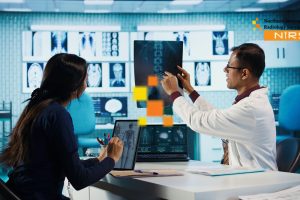
Because PAD often develops silently, early detection through vascular imaging at NIRS can help prevent serious complications.
💉 Interventional Radiology: A Modern Approach to PAD
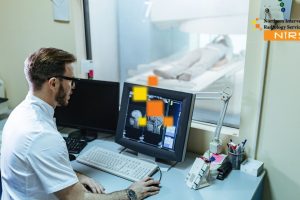
Traditional treatments for PAD often involved open surgery. However, Interventional Radiology (IR) provides a safer, faster, and less invasive option. Using real-time imaging guidance—such as X-rays, fluoroscopy, or ultrasound—our radiologists can navigate small instruments through tiny incisions to open blocked arteries and restore blood flow.
At NIRS Pakistan, we utilize cutting-edge imaging technology and precision-based IR techniques to ensure optimal patient outcomes.
🩸 1. Angioplasty
One of the most common IR procedures for PAD is angioplasty. In this procedure, a small balloon-tipped catheter is inserted into the blocked artery. Once in place, the balloon is inflated to widen the artery and improve blood flow.
Often, angioplasty is combined with stent placement—a small mesh tube that keeps the artery open long-term.
⚙️ 2. Stent Placement
When plaque causes recurring blockages, a stent is used to reinforce the artery walls. NIRS uses advanced drug-eluting stents that release medication to prevent re-narrowing, ensuring long-lasting results.
🪶 3. Atherectomy
In severe cases, plaque buildup may need to be physically removed. Atherectomy involves using a specialized device to cut or shave away plaque from the artery walls, restoring smooth blood flow without major surgery.
💨 4. Thrombolysis and Thrombectomy
If PAD leads to blood clots, our radiologists perform thrombolysis (injecting clot-dissolving medicine) or thrombectomy (mechanically removing the clot). These procedures are life-saving when immediate blood flow restoration is needed.
🩹 Benefits of Interventional Radiology for PAD
Choosing NIRS Interventional Radiology means benefiting from the latest minimally invasive care options. Key advantages include:
- ✅ No major incisions or stitches
- ✅ Shorter hospital stay and faster recovery
- ✅ Lower risk of infection and complications
- ✅ Less pain and discomfort
- ✅ Quick return to normal activities
- ✅ Accurate, image-guided precision
Every procedure at NIRS is performed under sterile, state-of-the-art conditions by certified interventional radiologists.
🌿 Why Choose NIRS for PAD Treatment in Pakistan
At NIRS, we are committed to delivering patient-centered vascular care. Our interventional radiology department combines clinical expertise with advanced imaging systems to diagnose and treat PAD effectively.
We offer:
- Comprehensive vascular imaging and diagnosis
- Customized treatment plans for each patient
- International-standard facilities for minimally invasive procedures
- A multidisciplinary team of radiologists, cardiologists, and vascular specialists
Our goal is to restore mobility, relieve pain, and prevent the long-term consequences of Peripheral Artery Disease through innovative, evidence-based care.
🧠 Preventing PAD: Lifestyle and Follow-Up
In addition to medical treatments, lifestyle changes play a vital role in preventing PAD progression.
Here are a few essential tips recommended by NIRS specialists:
- Quit smoking to improve blood vessel health.
- Maintain a balanced diet low in saturated fats.
- Engage in regular walking or supervised exercise.
- Manage blood pressure, diabetes, and cholesterol levels.
- Schedule regular vascular screenings.
💬 Final Thoughts
Peripheral Artery Disease can be debilitating, but with early diagnosis and the right treatment, recovery and relief are possible. Interventional Radiology at NIRS Pakistan offers patients a modern path to healing—minimally invasive, highly effective, and designed to restore your circulation and confidence.
If you’re experiencing leg pain, cramping, or numbness, don’t wait. Visit NIRS.com.pk or book a consultation with our expert interventional radiologists today.