Interventional Radiology Procedures in Pakistan | NIRS Guide
When a doctor recommends an interventional radiology (IR) procedure, one of the first questions patients ask is:
👉 “Will it hurt?”
It’s a natural concern—no one wants to go through unnecessary pain. The truth is, interventional radiology is designed to be minimally invasive, less painful, and safer than traditional surgery. At Northern Interventional Radiology Services (NIRS) Abbottabad, patients from Islamabad, Rawalpindi, KPK, and all across Pakistan undergo these treatments every day with comfort and confidence.
In this blog, we’ll answer the most common patient questions about pain, comfort, and safety in interventional radiology—so you know exactly what to expect.
What is Interventional Radiology?
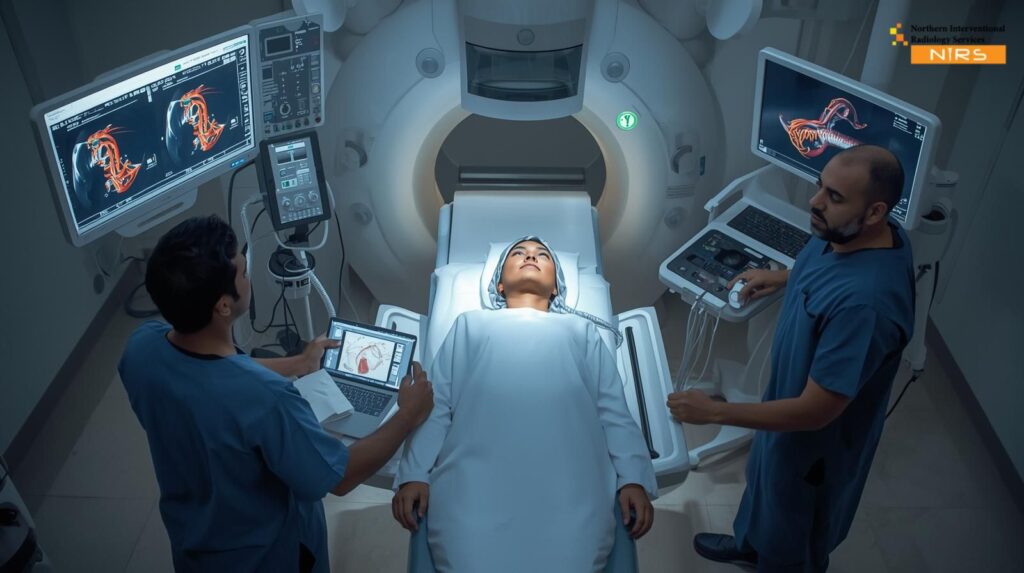
Interventional radiology is a modern medical specialty that uses real-time imaging (X-ray, ultrasound, CT, MRI) to guide tiny instruments like needles, catheters, and wires inside the body.
Instead of large incisions and long hospital stays, IR procedures involve only tiny entry points (often less than 1 cm) and can be completed in 30–90 minutes.
Common treatments include:
- Angioplasty & stenting (to open blocked blood vessels).
- Tumor ablation & embolization (to treat cancers without open surgery).
- Pain management injections (for back, joint, or nerve pain).
- Biopsies (for accurate diagnosis).
- Clot removal (to restore healthy blood flow).
Do Interventional Radiology Procedures Hurt?
Here’s the short answer: Most IR procedures cause little to no pain.
Here’s why:
- Local anesthesia numbs the area.
- Sedation helps patients feel calm and relaxed.
- No large surgical cuts are made—only a tiny needle or catheter entry point.
Patients often compare the sensation to a small injection or mild pressure, rather than actual pain.
Patient Questions Answered
1. Will I Be Awake During the Procedure?
Yes, in most cases. Patients are awake but given mild sedation to feel relaxed and comfortable. General anesthesia is rarely required.
2. What Will I Feel?
- A small sting when the local anesthesia is injected.
- Mild pressure or a warm sensation during treatment.
- Most patients report little to no discomfort overall.
3. How Long Does Recovery Take?
- Patients usually go home the same day.
- Recovery is much faster compared to surgery—most return to daily activities in 1–2 days.
4. Are There Risks of Pain After the Procedure?
Some patients may feel mild soreness, swelling, or bruising at the entry site. This is temporary and managed with pain relievers.
5. What If I Am Nervous About Pain?
At NIRS Abbottabad, the care team explains every step clearly and provides sedation options for patients with anxiety. Knowing what to expect often helps reduce fear.
Why Interventional Radiology is Less Painful Than Surgery
- ✅ No big incisions → tiny needle entry only.
- ✅ Less bleeding & tissue damage → faster healing.
- ✅ No stitches in most cases → smaller scars.
- ✅ Shorter hospital stay → often discharged same day.
- ✅ Quicker recovery → back to normal life faster.
For patients with conditions like vascular blockages, tumors, or chronic pain, IR provides effective treatment without the painful recovery of traditional surgery.
Patient Experience at NIRS Abbottabad
Patients who visit NIRS Abbottabad often express relief at how comfortable the procedure feels compared to what they imagined. For example:
- A patient with varicose veins reported only mild pressure during vein embolization and walked home the same day.
- Another patient undergoing a tumor ablation was surprised at the minimal discomfort and short recovery time.
This shows that modern imaging-guided techniques truly deliver precision with patient comfort.
When Should You Seek Interventional Radiology?
You may be a candidate for IR if you have:
- Chronic pain not improving with medication.
- Vascular problems like leg swelling, varicose veins, or poor circulation.
- Tumors or growths needing treatment without open surgery.
- A condition requiring a safe, precise biopsy.
👉 At NIRS Abbottabad, doctors carefully evaluate your symptoms and recommend the right treatment for safe and pain-free recovery.
Tips for Patients Before the Procedure
- Ask questions during your consultation—knowing the steps reduces anxiety.
- Follow instructions about fasting or stopping certain medications.
- Bring a family member or friend for support if needed.
- Stay positive—remember that IR is designed to minimize pain and maximize recovery.
Conclusion
So, do interventional radiology procedures hurt?
👉 The answer is no, not in the way you might expect. With local anesthesia, mild sedation, and minimally invasive techniques, discomfort is minimal, recovery is quick, and results are highly effective.
At NIRS Abbottabad, patients are guided every step of the way to ensure safety, comfort, and confidence. Whether you are considering treatment for vascular disease, tumors, or chronic pain, you can rest assured that modern interventional radiology offers precise, effective, and low-pain alternatives to surgery.
If you’re worried about pain during treatment, book a consultation today with NIRS Abbottabad and discover how interventional radiology can change your health journey—comfortably.