Advanced Vascular Health Treatment in Pakistan | NIRS
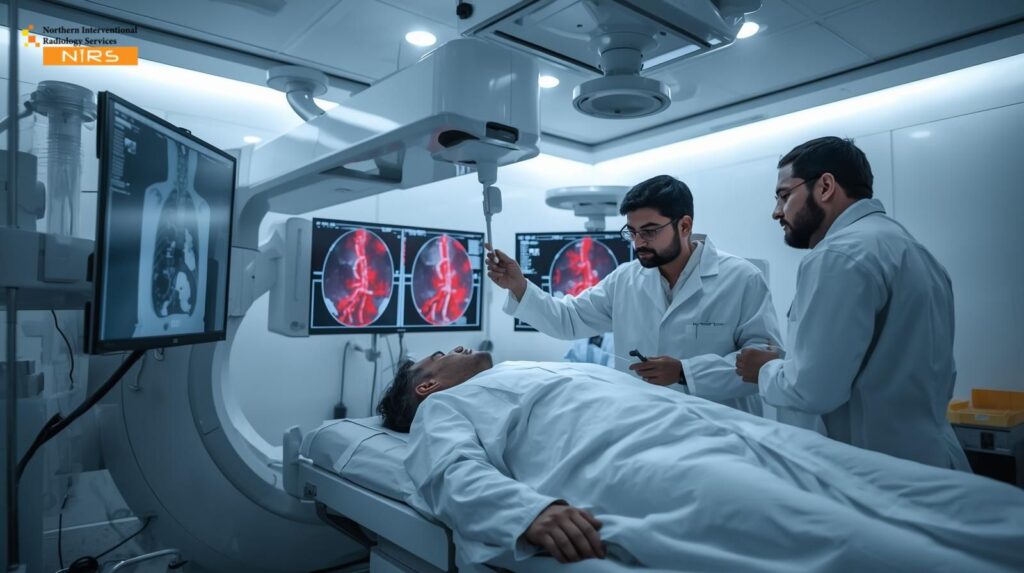
Vascular diseases, such as blocked arteries, varicose veins, and blood clots, can significantly affect a person’s quality of life. Thanks to Interventional Radiology (IR), patients now have access to minimally invasive treatments like angioplasty, stenting, embolization, and clot removal. These procedures restore healthy blood flow without the risks of major surgery and allow patients to return home quickly.
However, treatment is only the first step. To maintain long-term results, patients must adopt healthy lifestyle changes that support vascular health. At Northern Interventional Radiology Services (NIRS) Abbottabad, patients from Islamabad, Rawalpindi, KPK, and across Pakistan are guided not just through treatment, but also through recovery and lifestyle management.
In this blog, we’ll explore the most important lifestyle changes after interventional radiology treatment and why they matter.
1. Maintain a Heart-Healthy Diet
What you eat plays a critical role in keeping your arteries and veins healthy. A poor diet can lead to cholesterol buildup, high blood pressure, and recurrent vascular issues.
✅ Recommended Foods:
- Fresh fruits and vegetables (rich in antioxidants).
- Whole grains like oats, brown rice, and whole wheat.
- Lean proteins such as fish, chicken, and legumes.
- Healthy fats from olive oil, nuts, and seeds.
❌ Foods to Limit or Avoid:
- Processed foods high in salt and sugar.
- Fried and oily meals.
- Red meat in excess.
- Sugary drinks and sodas.
👉 At NIRS, patients are often connected with dietary experts who guide them in choosing the right meal plans to protect their vascular health.
2. Stay Physically Active
Regular exercise keeps blood flowing smoothly and prevents blood clots. It also strengthens the heart and improves circulation.
- Aim for at least 30 minutes of moderate activity, 5 days a week.
- Activities like walking, swimming, or cycling are excellent for vascular health.
- If you had a recent procedure, follow your doctor’s guidance about when to safely resume activity.
Even small changes—like taking the stairs instead of the elevator—can make a big difference in maintaining vascular health.
3. Manage Weight Effectively
Excess weight increases the strain on blood vessels and raises the risk of hypertension, diabetes, and varicose veins. By maintaining a healthy weight, patients reduce the likelihood of vascular complications returning.
- Monitor your Body Mass Index (BMI).
- Avoid crash diets—focus on sustainable weight management.
- Combine balanced nutrition with regular exercise for long-term results.
4. Quit Smoking and Limit Alcohol
Smoking is one of the most dangerous risk factors for vascular disease. It damages blood vessels, increases clot formation, and reduces oxygen supply.
- Quitting smoking significantly lowers the risk of vascular blockages and stroke.
- Alcohol should be consumed in moderation, as excessive intake raises blood pressure and weakens circulation.
At NIRS Abbottabad, patients are strongly encouraged to seek smoking cessation programs for long-term vascular health.
5. Control Blood Pressure, Cholesterol, and Diabetes
Many vascular issues are directly linked to uncontrolled medical conditions. Patients should:
- Monitor blood pressure regularly.
- Take prescribed medications for cholesterol or diabetes without delay.
- Schedule follow-up visits at NIRS to ensure treatments are working effectively.
Keeping these conditions under control helps protect blood vessels and prevents repeat procedures.
6. Practice Proper Leg Care (for Varicose Veins & Circulation Issues)
If your treatment involved varicose veins or leg circulation problems:
- Avoid sitting or standing in one position for too long.
- Elevate your legs to improve blood flow.
- Wear compression stockings if recommended by your doctor.
- Stay active to prevent pooling of blood in the veins.
7. Regular Medical Follow-Ups
Even after a successful procedure, ongoing monitoring is essential. Follow-up appointments at NIRS Abbottabad allow doctors to:
- Assess how well your treatment is working.
- Detect early signs of complications.
- Provide tailored lifestyle advice based on your recovery.
Patients who commit to regular checkups enjoy better long-term results.
Benefits of Lifestyle Changes After Interventional Radiology
By following these changes, patients can:
- ✅ Reduce the risk of recurrence of vascular blockages.
- ✅ Improve overall heart and vein health.
- ✅ Enjoy a faster and more sustainable recovery.
- ✅ Lower dependency on medications.
- ✅ Enhance quality of life and energy levels.
Conclusion
Interventional radiology offers life-changing solutions for patients with vascular problems, but the journey does not end with treatment. Long-term success depends on adopting healthier habits that protect blood vessels and prevent future complications.
At NIRS Abbottabad, patients not only receive advanced treatments like angioplasty, stenting, and clot removal, but also expert guidance on lifestyle changes that support vascular health. By eating right, exercising, quitting smoking, and attending regular follow-ups, patients can ensure lasting results and a healthier future.
👉 If you have undergone or are considering vascular treatment, connect with NIRS Abbottabad today to learn more about how interventional radiology and lifestyle changes together can restore and protect your vascular health.