Interventional Radiology for Advanced Cancer Treatment
Cancer remains one of the leading health challenges globally — and in Pakistan, its burden continues to rise. As treatment technologies evolve, patients now have access to more precise, less invasive, and highly effective cancer care options. One such breakthrough is Interventional Radiology (IR) — a medical specialty that uses real-time imaging to diagnose and treat cancers without traditional open surgery.
At NIRS (National Institute of Radiological Sciences), our experts specialize in image-guided cancer treatment, providing patients with safer, faster, and more comfortable alternatives to conventional surgery and chemotherapy.
🎯 What Is Interventional Radiology?
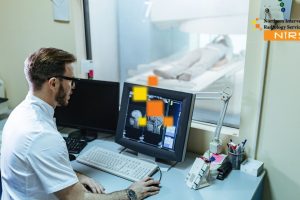
Interventional Radiology (IR) involves performing targeted medical procedures using imaging technologies such as CT scans, ultrasound, fluoroscopy, and MRI. These imaging tools allow radiologists to precisely guide small catheters or needles into tumors or affected areas — enabling minimally invasive cancer treatments with high precision and minimal discomfort.
Unlike open surgery, IR treatments require only small skin punctures, which means shorter hospital stays, reduced pain, and quicker recovery times.
🧬 The Role of Interventional Radiology in Cancer Treatment
Interventional Radiology plays a critical role in every stage of Cancer Treatment — from diagnosis to direct tumor therapy and even palliative care.
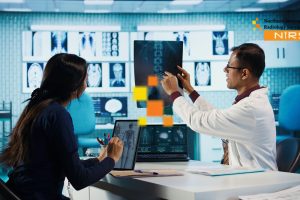
At NIRS Pakistan, our radiologists collaborate closely with oncologists and surgeons to design personalized treatment plans based on each patient’s cancer type and stage.
Here are some of the key IR procedures used in cancer management:
🔬 1. Image-Guided Biopsy
Accurate diagnosis is the first step toward effective treatment. Using advanced imaging guidance, NIRS specialists perform needle biopsies to collect tissue samples from deep within the body — safely and with pinpoint accuracy. This helps determine the exact type and stage of cancer.
🌡️ 2. Tumor Ablation (Radiofrequency, Microwave & Cryoablation)
Tumor ablation is one of the most effective IR-based therapies. It involves destroying cancer cells by applying heat, cold, or electrical energy directly to the tumor.
- Radiofrequency Ablation (RFA): Uses high-frequency electrical currents to heat and destroy cancer cells.
- Microwave Ablation (MWA): Employs electromagnetic energy to rapidly heat and kill tumor tissue.
- Cryoablation: Uses extreme cold to freeze and eliminate tumors.
These techniques are commonly used for liver, kidney, lung, and bone cancers, often as an alternative to surgery.
💉 3. Transarterial Chemoembolization (TACE)
TACE is a groundbreaking treatment primarily used for liver cancer. During this procedure, a catheter is guided into the artery supplying the tumor. Chemotherapy drugs are delivered directly into the cancer site, followed by blocking the artery (embolization) to cut off the tumor’s blood supply.
This method ensures maximum effect on the tumor with minimal impact on healthy tissues.
🩸 4. Radioembolization (Y-90 Therapy)
Radioembolization, or Selective Internal Radiation Therapy (SIRT), combines embolization with targeted radiation. Tiny radioactive beads (Yttrium-90) are injected into the tumor’s blood vessels, releasing localized radiation to destroy cancer cells while sparing surrounding tissue.
NIRS is among the few institutes in Pakistan offering this highly specialized treatment under expert supervision.
🧫 5. Palliative Interventions
For patients in advanced stages of cancer, IR provides vital palliative care options. Procedures such as drainage of fluid collections, stent placements, and pain management injections significantly improve comfort and quality of life, even when a cure is not possible.
💎 Benefits of Interventional Radiology in Cancer Treatment
Patients choosing IR-based cancer care at NIRS Pakistan benefit from:
- ✅ Minimally invasive procedures with no major incisions
- ✅ Shorter recovery time and reduced hospital stay
- ✅ Less pain, minimal scarring, and fewer complications
- ✅ Precise, targeted therapy that spares healthy tissues
- ✅ Enhanced quality of life with effective symptom management
These advantages make IR an essential part of modern, patient-centered cancer therapy.
🏥 NIRS: Leading the Way in Cancer Imaging and Intervention
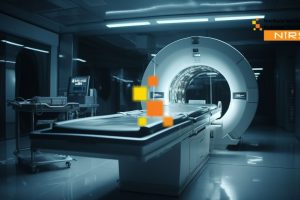
At NIRS, our mission is to provide world-class diagnostic and therapeutic radiology services across Pakistan. Our Interventional Radiology Department is equipped with state-of-the-art imaging suites, enabling our experts to deliver treatments with international precision standards.
We specialize in:
- Image-guided tumor biopsies
- Liver cancer interventions (TACE, Radioembolization)
- Lung, kidney, and bone ablation therapies
- Palliative IR procedures for pain and symptom relief
Our highly trained team of radiologists, oncologists, and technologists ensures that every patient receives compassionate, evidence-based care — designed to improve survival rates and quality of life.
🌿 Patient-Centered Approach
At NIRS, we understand that every cancer journey is unique. From diagnosis to treatment and follow-up, our specialists support patients at every step. We focus on delivering minimally invasive solutions that align with global standards while ensuring comfort, safety, and dignity throughout the process.
🧭 Final Thoughts
Interventional Radiology represents the future of Cancer Treatment — a field where technology meets precision medicine. Through image-guided procedures, NIRS Pakistan offers patients hope, healing, and advanced options that were once unimaginable.
Whether it’s early detection, targeted therapy, or pain management, Interventional Radiology at NIRS empowers patients with modern, less invasive alternatives to surgery.
For more information or to book an appointment, visit www.nirs.com.pk and discover how our innovative radiology services are transforming cancer care in Pakistan.