Blogs

Illustration showing the best guide to breast tumor marker clip placement, using NIRS technology to ensure precise tumor localization, accurate surgical planning, and improved patient safety during breast cancer procedures.
Blogs

Step-by-Step Guide to Breast Tumor Marker Clip Placement

Best Guide to Breast Tumor Marker Clip Placement | NIRS Breast cancer treatment has become more precise and patient-friendly thanks to advances in interventional radiology. One of the most effective tools for enhancing surgical precision and treatment planning is the breast tumor marker clip. At NIRS (Northern Interventional Radiology Services), we perform image-guided, minimally invasive marker clip placements to ensure accurate tumor localization, safe procedures, and fast recovery. This step-by-step guide explains the process, benefits, and what patients can expect. What Is a Breast Tumor Marker Clip? A breast tumor marker clip is a tiny, biocompatible device placed inside or near a breast lesion. It serves multiple purposes: Marker clip placement is minimally invasive, usually performed under local anesthesia, and most patients can go home the same day. Step 1: Pre-Procedure Consultation Before the procedure, patients undergo a detailed consultation with an interventional radiologist. During this consultation: This step ensures patients are fully informed and comfortable with the procedure. Step 2: Imaging and Tumor Localization Accurate tumor localization is crucial for successful marker placement. Depending on the tumor location: This imaging allows the radiologist to plan the exact path for marker placement, ensuring precision and safety. Step 3: Local Anesthesia The area surrounding the tumor is numbed with local anesthesia, making the procedure virtually painless. Unlike traditional surgery, general anesthesia is not required, reducing risks and recovery time. Step 4: Marker Clip Insertion Using a thin needle, the radiologist carefully inserts the marker clip into the tumor under real-time imaging guidance. The clip is tiny, usually less than 5mm, and stays securely in place without causing significant discomfort. Step 5: Verification After insertion, imaging (ultrasound or mammography) confirms correct clip placement. Accurate verification ensures that: Step 6: Post-Procedure Care After marker placement: The minimally invasive nature of this procedure allows patients to resume daily life quickly. Benefits of Marker Clip Placement Who Can Benefit From This Procedure? At NIRS, we provide personalized guidance to ensure every patient understands the procedure, risks, and recovery process. Real-Life Impact Condition Traditional Surgery Marker Clip Placement at NIRS Small or non-palpable tumor Large incision, guesswork Precise localization via clip Tumor shrinking during chemo Hard to locate Marker maintains exact tumor location Radiation therapy planning Broad targeting Targeted therapy using clip reference Multiple lesions Surgical uncertainty Accurate mapping and excision of all tumors Marker clips ensure precision, safety, and better overall outcomes. Why Choose NIRS for Marker Clip Placement? ✔ Experienced interventional radiologists trained in advanced breast imaging✔ State-of-the-art imaging guidance for ultrasound, mammography, and stereotactic procedures✔ Minimally invasive, outpatient approach✔ Same-day discharge and rapid recovery✔ Trusted across Northern Pakistan and Azad Kashmir At NIRS, precision, safety, and patient comfort are top priorities. Final Thoughts Breast tumor marker clip placement is a revolutionary tool in modern breast cancer care. This step-by-step guide illustrates how the procedure: At NIRS, we combine advanced interventional radiology with personalized patient care to make marker clip placement safe, precise, and stress-free. For patients seeking precision, minimally invasive treatment, and optimal breast cancer care, NIRS is the trusted choice in Northern Pakistan.


Illustration showing how breast tumor marker clips improve surgery accuracy, using NIRS guidance to precisely locate tumors, minimize healthy tissue removal, and enhance surgical outcomes for safer and more effective procedures.
Blogs

How Breast Tumor Marker Clips Improve Surgery Accuracy | Expert Care at NIRS

How Breast Tumor Marker Clips Improve Surgery Accuracy | NIRS Accurate breast tumor localization is essential for successful breast cancer treatment. Breast Tumor Marker Clips are a revolutionary tool that allows surgeons and radiologists to precisely locate tumors, even after a biopsy or during chemotherapy. At NIRS (Northern Interventional Radiology Services), we specialize in image-guided, minimally invasive breast marker placement, ensuring maximum surgical accuracy and patient safety. What Are Breast Tumor Marker Clips? Breast tumor marker clips are tiny metallic or bio-compatible markers placed directly at the site of a breast lesion. These clips remain permanently in the breast and act as a reference point for future surgery or imaging, even if the tumor shrinks or becomes difficult to detect. The procedure is performed under ultrasound or mammography guidance, making it highly precise and safe. Why Marker Clips Are Crucial for Surgical Accuracy Surgical removal of breast tumors, particularly breast-conserving surgery, relies heavily on precise tumor localization. Without a marker clip: Breast Tumor Marker Clips at NIRS eliminate these risks, providing visual guidance for surgeons and improving surgical outcomes. How Breast Tumor Marker Clips Improve Surgery Accuracy 1. Exact Tumor Localization Marker clips indicate the precise location of the lesion, helping surgeons plan accurate incisions and minimize healthy tissue removal. 2. Supports Breast-Conserving Surgery By clearly marking tumors, clips allow surgeons to perform lumpectomies with confidence, preserving the breast’s appearance and function. 3. Reliable Guidance During Chemotherapy Even if a tumor shrinks after neoadjuvant chemotherapy, the clip provides a permanent reference point, ensuring no residual cancerous tissue is missed. 4. Minimally Invasive Placement Placed under image guidance, marker clips reduce patient discomfort and allow quick recovery, which is critical for patients undergoing multiple therapies. 5. Facilitates Post-Surgery Monitoring Marker clips make it easier to track any changes in the breast tissue and support long-term surveillance. Who Should Consider Marker Clip Placement? Patients may benefit from Breast Tumor Marker Clips if they: At NIRS, every patient undergoes a careful assessment to ensure the clip placement is the safest and most effective solution. How the Procedure Works at NIRS The procedure usually takes 15–30 minutes and is performed on an outpatient basis. Benefits of Choosing NIRS for Breast Tumor Marker Clip Placement Patients from all over Pakistan and AJK trust NIRS for advanced breast cancer care. Safety and Patient Comfort Marker clips are: NIRS ensures sterile technique and minimal discomfort during the procedure. Cost and Accessibility The cost of breast tumor marker clip placement depends on: NIRS provides affordable and transparent pricing, ensuring access to advanced breast care without compromise. Conclusion Breast Tumor Marker Clips have transformed breast cancer surgery by enhancing precision, preserving healthy tissue, and supporting long-term monitoring. At NIRS (Northern Interventional Radiology Services), our image-guided, minimally invasive approach ensures patients receive the safest and most accurate care available. 📞 Book a consultation at NIRS today and experience advanced breast tumor marker clip placement that truly improves surgical accuracy.

Illustration showing how minimally invasive radiology reduces recovery time, highlighting small incisions, precise NIRS-guided procedures, faster healing, less pain, and improved patient outcomes compared to traditional surgical methods.
Blogs

How Minimally Invasive Radiology Reduces Recovery Time – Expert Care at NIRS

How Minimally Invasive Radiology Reduces Recovery Time | NIRS Modern medicine is shifting towards minimally invasive procedures, and interventional radiology (IR) is at the forefront of this transformation. At NIRS (Northern Interventional Radiology Services), our advanced IR techniques help patients receive effective treatment with smaller incisions, less pain, and dramatically reduced recovery times. In this guide, we explain how minimally invasive radiology reduces recovery time, its benefits, and why NIRS is the trusted leader in interventional radiology in Pakistan and AJK. What Is Minimally Invasive Radiology Reduces Recovery Time? Minimally invasive radiology involves performing procedures using tiny incisions or needles, guided by advanced imaging techniques such as ultrasound, CT, or fluoroscopy. Unlike traditional surgery, these procedures target the affected area directly, allowing patients to recover faster, experience less pain, and avoid long hospital stays. Examples of minimally invasive procedures at NIRS include: HowMinimally Invasive Radiology Reduces Recovery Time 1. Smaller Incisions and Precise Targeting Instead of large surgical cuts, IR procedures use tiny punctures or catheters. This reduces tissue trauma and accelerates the healing process. 2. Less Pain and Discomfort Smaller incisions mean less nerve and tissue damage, resulting in reduced post-procedure pain and minimal need for strong painkillers. 3. Lower Risk of Infection Fewer and smaller entry points reduce the chances of post-operative infections, allowing faster and safer recovery. 4. Shorter Hospital Stays Many procedures are performed on an outpatient basis or require only a day or two of observation, compared to traditional surgery that may require weeks of hospitalization. 5. Faster Return to Normal Activities Patients can often resume daily activities within days, maintaining their quality of life while recovering effectively. Conditions Benefiting from Minimally Invasive Radiology Minimally invasive procedures at NIRS benefit patients with: In all these cases, minimally invasive radiology ensures effective treatment while drastically reducing recovery time. Advantages ofMinimally Invasive Radiology Reduces Recovery Time at NIRS 🔹 Expert Interventional Radiologists Our highly trained specialists use image-guided techniques to deliver precise treatment safely. 🔹 Cutting-Edge Imaging Equipment Ultrasound, CT, and fluoroscopy systems ensure accurate targeting and minimal collateral damage. 🔹 Reduced Stress on the Body Patients experience less blood loss, reduced scarring, and minimal disruption to normal bodily functions. 🔹 Personalized Recovery Plans NIRS provides individualized post-procedure guidance, ensuring a smooth and faster recovery process. Safety and Comfort Minimally invasive procedures at NIRS are designed for maximum safety and comfort: Patient Experience and Recovery Time Typical recovery after minimally invasive radiology at NIRS: Compared to traditional surgery, recovery is faster, safer, and more comfortable, allowing patients to continue life without long-term disruption. Cost and Accessibility The cost of minimally invasive procedures depends on: At NIRS, we provide transparent, affordable pricing while maintaining world-class quality and patient safety. Conclusion Minimally Invasive Radiology Reduces Recovery Time by combining precision, safety, and patient-focused care. At NIRS (Northern Interventional Radiology Services), patients in Pakistan and AJK benefit from: Book your consultation today to experience advanced interventional radiology that heals faster and keeps you active.

Diagram illustrating how liver cancer embolization targets tumors safely, showing precise catheter placement and NIRS guidance, effectively blocking blood flow to cancer cells while preserving healthy liver tissue.
Blogs

How Liver Cancer Embolization Targets Tumors Safely – Expert Care at NIRS

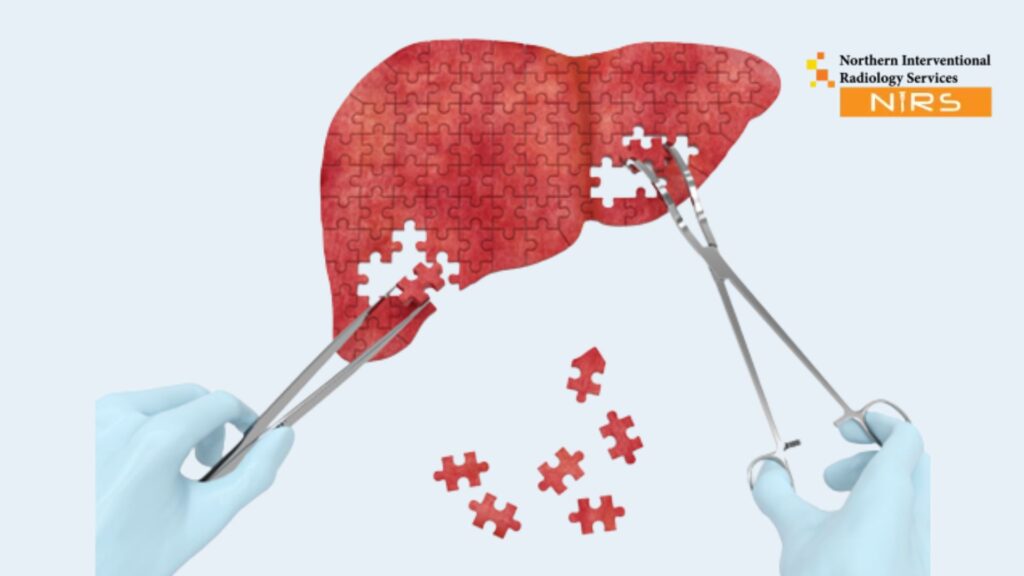
How Liver Cancer Embolization Targets Tumors Safely | NIRS Liver cancer treatment has evolved dramatically with the advent of minimally invasive interventional radiology (IR) procedures. One such procedure, liver cancer embolization, allows physicians to precisely target tumors while minimizing damage to healthy liver tissue. At NIRS (Northern Interventional Radiology Services), we offer world-class image-guided embolization techniques that ensure safe and effective tumor management. This guide explains how liver cancer embolization targets tumors safely, the procedure, benefits, recovery, and why NIRS is a trusted leader in interventional radiology. What Is Liver Cancer Embolization? Liver cancer embolization is a minimally invasive procedure designed to block the blood supply to liver tumors, starving the cancer cells of oxygen and nutrients. This targeted approach can: Unlike traditional surgery, embolization avoids large incisions, minimizes blood loss, and protects healthy liver tissue. At NIRS, we use advanced imaging systems to ensure precise catheter placement and targeted delivery of embolic agents. How Liver Cancer Embolization Targets Tumors Safely 1. Image-Guided Precision Using CT, MRI, or fluoroscopy guidance, interventional radiologists at NIRS navigate tiny catheters directly into the artery feeding the tumor. This ensures embolization agents affect only the tumor while leaving healthy liver tissue intact. 2. Selective Blood Vessel Blockage Embolization agents such as microspheres, beads, or chemo-drugs are delivered directly into the tumor-feeding arteries. This selective approach maximizes tumor destruction and reduces side effects. 3. Minimally Invasive Access The procedure typically involves a small puncture in the groin or arm, avoiding major surgical incisions. Recovery is faster, and risks associated with open surgery are minimized. 4. Combination with Targeted Therapy In some cases, chemoembolization (TACE) combines embolization with localized chemotherapy, enhancing treatment efficacy while keeping systemic side effects low. 5. Continuous Monitoring Throughout the procedure, real-time imaging ensures that the embolic agents are precisely delivered and that healthy tissue remains unharmed. Who Can Benefit from Liver Cancer Embolization? Patients may be candidates for embolization if they: NIRS specialists evaluate each patient using advanced imaging and lab tests to determine the safest and most effective treatment plan. The Liver Cancer Embolization Procedure at NIRS Step-by-Step Overview: The entire procedure usually takes 1–2 hours, and patients can often return to normal activities within days. Benefits of Liver Cancer Embolization at NIRS Patients at NIRS benefit from comprehensive care, expert monitoring, and world-class interventional radiology technology. Recovery and Aftercare Most patients experience: At NIRS, we provide personalized aftercare to ensure optimal healing and monitoring of tumor response. Why Choose NIRS for Liver Cancer Embolization? NIRS stands out due to: Patients trust NIRS for advanced liver cancer treatment that targets tumors safely and reduces complications. Conclusion Liver cancer embolization at NIRS represents the next generation of tumor-targeted therapy. By combining precision, safety, and minimally invasive techniques, patients can achieve effective tumor control with faster recovery and fewer risks. 📞 Book your consultation at NIRS today to experience safe, advanced liver cancer embolization performed by expert interventional radiologists.

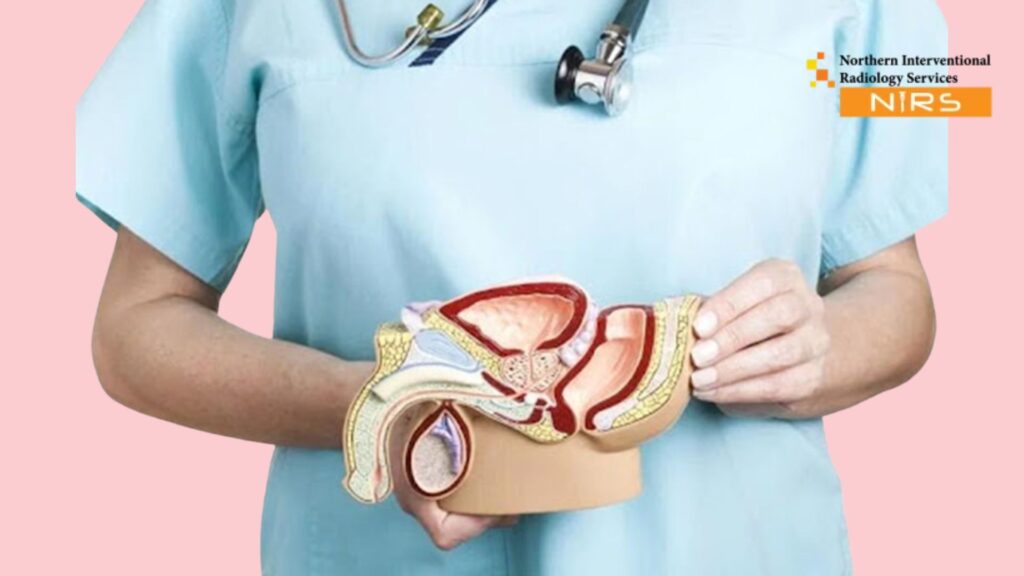
Illustration showing how Prostate Artery Embolization relieves symptoms quickly, highlighting reduced prostate size, improved urine flow, and patient comfort using advanced NIRS techniques for fast symptom relief.
Blogs

How Prostate Artery Embolization Relieves Symptoms Quickly – Expert Care at NIRS

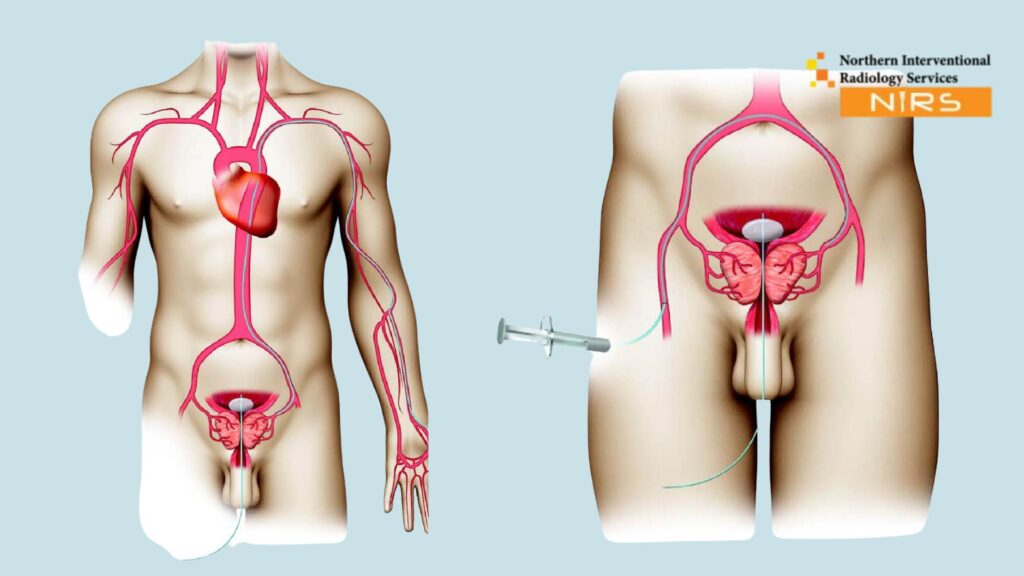
How Prostate Artery Embolization Relieves Symptoms Quickly | NIRS Enlarged prostate, or benign prostatic hyperplasia (BPH), affects millions of men worldwide, causing urinary urgency, difficulty urinating, and discomfort. Traditional surgical treatments can involve long recovery times and significant risks. At NIRS (Northern Interventional Radiology Services), we specialize in Prostate Artery Embolization (PAE), a minimally invasive procedure that relieves symptoms quickly while minimizing risks and recovery time. This guide explains how PAE works, its benefits, and why it’s a safer, faster solution for prostate-related issues. What Is Prostate Artery Embolization? Prostate Artery Embolization (PAE) is a minimally invasive interventional radiology procedure designed to shrink the prostate by blocking specific arteries that supply blood to the gland. By reducing blood flow, the prostate gradually shrinks in size, relieving urinary obstruction and related symptoms without major surgery. Unlike traditional prostate surgeries: How Prostate Artery Embolization Relieves Symptoms Quickly 1. Targeted Blood Flow Reduction Using advanced imaging guidance, interventional radiologists insert a tiny catheter into the arteries supplying the prostate. Small embolization particles are released to block blood flow specifically to the prostate tissue, causing it to shrink and relieve urinary obstruction. 2. Minimally Invasive Access PAE is performed through a small puncture in the groin or wrist, avoiding major surgical incisions. This allows patients to return home the same day or within 24 hours, compared to traditional surgery requiring longer hospitalization. 3. Immediate Symptom Relief Many patients experience noticeable improvement in urinary symptoms within days, with continued improvement over several weeks as the prostate shrinks. 4. Reduced Risk of Side Effects Because PAE avoids cutting or removing tissue, sexual function, continence, and overall quality of life are preserved, unlike some surgical alternatives. 5. Image-Guided Precision Throughout the procedure, real-time imaging ensures that embolization particles are delivered precisely to the prostate arteries, protecting surrounding organs and tissues. Who Can Benefit from PAE? PAE is suitable for men who: At NIRS, our specialists evaluate each patient using ultrasound, CT, or MRI to ensure safe and effective treatment. The PAE Procedure at NIRS Step-by-Step Overview: Benefits of Choosing PAE at NIRS At NIRS, patients receive personalized care and monitoring to ensure optimal outcomes. Recovery and Aftercare After PAE, patients may experience: NIRS provides detailed post-procedure instructions and ensures continuous monitoring for safe and effective results. Cost and Accessibility The cost of PAE depends on: At NIRS, we maintain transparent and affordable pricing while providing world-class interventional radiology care. Conclusion Prostate Artery Embolization (PAE) at NIRS offers a minimally invasive, safe, and effective alternative to traditional prostate surgeries. With targeted blood flow reduction, rapid symptom relief, and minimal recovery time, patients can improve quality of life quickly and safely. 📞 Book your consultation at NIRS today and experience expert interventional radiology that relieves prostate symptoms quickly and effectively.

Advanced Uterine Fibroid Treatment in Pakistan at NIRS Northern Interventional Radiology Services Minimally Invasive
Blogs

Advanced Uterine Fibroid Treatment in Pakistan | NIRS

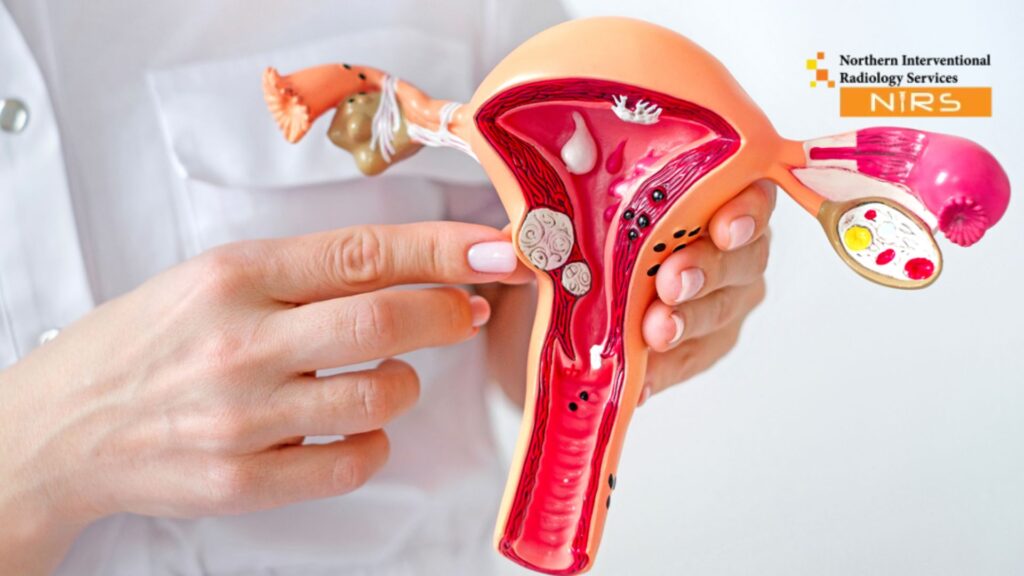
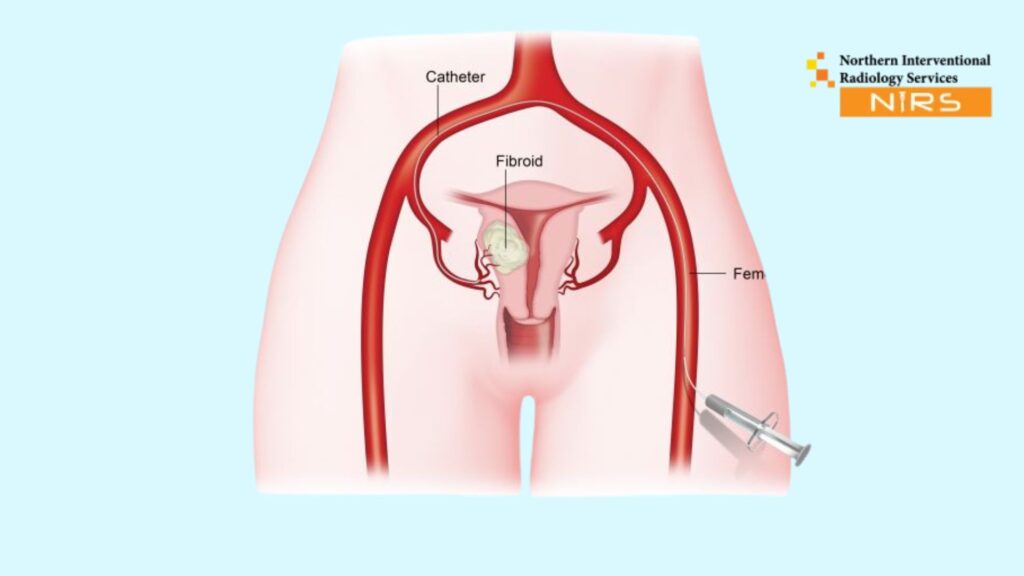
Advanced Uterine Fibroid Treatment in Pakistan (Without Surgery) | NIRS Uterine fibroids are one of the most common health concerns for women in Pakistan, often causing heavy periods, pelvic pain, infertility and serious discomfort. Traditionally, women were left with only two options: either live with the symptoms or undergo major surgery, such as hysterectomy. Today, thanks to modern medical advancements, women finally have a safe and effective alternative. At NIRS – Northern Interventional Radiology Services in Taxila, we provide advanced uterine fibroid treatment in Pakistan (without surgery) using the globally recognized procedure known as Uterine Fibroid Embolization (UFE). UFE is a minimally invasive, image-guided treatment performed by our experienced interventional radiologists. It targets fibroids from the inside, without cuts, stitches or the long recovery time associated with traditional surgery. As one of Pakistan’s leading centers for non-surgical fibroid treatment, NIRS is committed to offering world-class care using state-of-the-art equipment, advanced imaging technology and expert medical guidance. Understanding Uterine Fibroids Uterine fibroids are non-cancerous growths that appear in or around the uterus. Although they are common, their symptoms vary from woman to woman. Many experience heavy menstrual bleeding, prolonged periods, pelvic pressure, frequent urination, back pain, difficulty conceiving or severe cramping. When symptoms start disrupting your daily life, seeking treatment becomes essential. At NIRS, we prioritize fast diagnosis through ultrasound, MRI and image-guided evaluation to determine the safest and most effective treatment plan for every patient. Why Choose Non-Surgical Fibroid Treatment? In Pakistan, more women are now searching for non-surgical options because they want to avoid the risks of general anesthesia, long hospital stays and complications linked to conventional surgeries. Uterine Fibroid Embolization offers an excellent alternative, especially for women who want to preserve their uterus, avoid blood loss and return to normal activities quickly. The procedure is done through a tiny pin-hole entry in the wrist or groin, making it one of the gentlest and most advanced methods for fibroid treatment available. How UFE Works at NIRS At NIRS, our interventional radiologists begin the procedure by inserting a thin catheter into a blood vessel. Using advanced imaging guidance, they navigate the catheter directly to the arteries feeding the fibroids. Tiny medical particles are then delivered into these vessels to block the blood supply, causing the fibroids to shrink naturally over time. Because the uterus itself remains intact, women can maintain their hormonal balance, menstrual cycle and fertility potential. The entire process usually takes less than an hour, and most patients return home the same day. Recovery is significantly faster compared to surgery, with most women resuming normal activities within a few days. Benefits of Advanced UFE Treatment at NIRS Choosing Uterine Fibroid Embolization at NIRS offers a wide range of benefits, making it one of the most preferred fibroid treatments in North Punjab and across Pakistan. We combine modern tools with international-standard protocols to ensure every patient receives safe, effective and personalized care. Who Can Benefit from Non-Surgical Fibroid Treatment? Our advanced uterine fibroid treatment in Pakistan (without surgery) is ideal for women who: Every patient undergoes a detailed consultation and diagnostic evaluation so our specialists can recommend the most suitable treatment approach. NIRS – A Trusted Center for Interventional Radiology in Pakistan Northern Interventional Radiology Services (NIRS) has become a trusted name for minimally invasive medical treatments across Taxila, Rawalpindi, Islamabad and surrounding regions. Our facility is equipped with modern imaging equipment, including advanced fluoroscopy and ultrasound systems, allowing precise and safe procedures. Our team focuses on patient comfort, education and long-term wellness, ensuring every woman receives the highest quality care. Why Patients Prefer NIRS for Fibroid Treatment We aim to empower women by providing access to modern medical solutions that are safe, effective and minimally invasive. Book Your UFE Consultation Today If you are experiencing symptoms related to uterine fibroids and want a non-surgical solution, NIRS offers the most advanced uterine fibroid treatment in Pakistan (without surgery). Our specialists are here to guide you through every step, from diagnosis to post-procedure follow-up. Contact NIRS today to schedule your appointment and take the first step toward a healthier, pain-free life.

Advanced Liver Cancer Treatment Using IR Interventional Radiology at NIRS Northern Interventional Radiology Services Pakistan
Blogs

Advanced Liver Cancer Treatment Options Using IR | NIRS

Best Advanced Liver Cancer Treatment Options Using IR Liver cancer is one of the fastest-growing health concerns worldwide, especially in countries like Pakistan where hepatitis B and C are highly prevalent. Traditional treatments such as surgery, chemotherapy, and radiation have limitations depending on the stage of cancer, tumor size, and a patient’s overall health. However, modern medical innovation has introduced highly effective, minimally invasive options that target liver tumors with precision. This is where Interventional Radiology (IR) plays a lifesaving role. At NIRS – Northern Interventional Radiology Services, we provide advanced, image-guided liver cancer treatments that offer hope to patients who may not qualify for surgery or conventional therapies. Our cutting-edge IR procedures provide targeted treatment with fewer side effects, quicker recovery, and improved long-term outcomes. UNDERSTANDING LIVER CANCER Liver cancer most commonly develops due to chronic liver diseases, including hepatitis B, hepatitis C, cirrhosis, fatty liver disease, and excessive alcohol use. The liver is a vital organ responsible for detoxification, metabolism, and essential body functions, which makes early detection and treatment extremely important. Common symptoms include: • Upper abdominal pain• Sudden weight loss• Loss of appetite• Jaundice• Fatigue• Abdominal swelling• Nausea or vomiting Unfortunately, many patients in Pakistan are diagnosed at later stages when surgery is no longer an option. For these patients, liver cancer treatment options using interventional radiology can significantly improve survival and quality of life. THE ROLE OF INTERVENTIONAL RADIOLOGY IN LIVER CANCER Interventional Radiology uses advanced imaging such as ultrasound, CT, and fluoroscopy to deliver precise treatments directly to the tumor. Instead of affecting the entire body like traditional chemotherapy, IR procedures deliver therapy exactly where it is needed. These procedures are minimally invasive, meaning: • No major cuts or stitches• Shorter hospital stay• Less pain• Faster recovery• Lower risk of complications NIRS is among the leading centers offering such modern liver cancer interventions in Pakistan. TOP LIVER CANCER TREATMENT OPTIONS AVAILABLE AT NIRS At NIRS, we specialize in multiple advanced liver cancer treatments that are internationally recommended and clinically effective. TRANSARTERIAL CHEMOEMBOLIZATION (TACE) TACE is one of the most widely used liver cancer treatments in the world. It delivers chemotherapy directly into the tumor’s blood supply, followed by embolization to block the artery feeding the tumor. This cuts off oxygen and nutrients, shrinking the tumor over time. Benefits of TACE: • Targets the tumor directly• Fewer side effects than systemic chemotherapy• Suitable for patients who cannot undergo surgery• Helps control tumor growth• Can be repeated if necessary NIRS uses high-quality embolic agents and precision imaging for maximum effectiveness. TRANSARTERIAL RADIOEMBOLIZATION (TARE/Y90) TARE, also called Y-90 Radioembolization, uses tiny radioactive beads to destroy cancer cells. This treatment is ideal for patients with advanced liver tumors or metastasis from colon cancer. Key advantages: • Highly targeted radiation• Minimal damage to surrounding tissue• Longer survival rate in advanced cancer• Effective for large or multiple tumors NIRS offers this therapy with the help of trained interventional radiologists, ensuring accuracy and safety. PERCUTANEOUS TUMOR ABLATION (RFA/MWA) Ablation procedures destroy cancer cells by applying extreme heat (Radiofrequency Ablation – RFA) or microwave energy (Microwave Ablation – MWA) directly into the tumor through a small needle. This option is best for patients with smaller tumors or early-stage cancer. Benefits include: • Outpatient procedure• Minimal side effects• Quick recovery• Precise tumor destruction Ablation often offers survival rates similar to surgery for early-stage liver cancer. PORTAL VEIN EMBOLIZATION (PVE) This technique is used to prepare patients for surgery when part of the liver needs to grow before the tumor is removed. PVE blocks blood flow to the diseased portion of the liver, stimulating growth in the healthy portion. Advantages: • Helps non-surgical patients become surgical candidates• Improves safety of future liver resection• Minimally invasive and highly effective NIRS is one of the few centers in Pakistan offering this advanced pre-surgical technique. WHY NIRS IS THE BEST CHOICE FOR LIVER CANCER IR TREATMENT NIRS is equipped with state-of-the-art imaging systems, internationally approved devices, and a highly skilled team of interventional radiologists who specialize in treating complex liver tumors. What sets NIRS apart: • Precision imaging-guided treatments• Safe, effective, minimally invasive procedures• Comfortable environment with patient-centered care• Treatment options for patients not eligible for surgery• Affordable yet international-standard services• Faster recovery and lower complication rates Our mission is to provide advanced liver cancer solutions to patients from Taxila, Rawalpindi, Islamabad, Wah Cantt, and across Pakistan. RECOVERY AND AFTERCARE AT NIRS Most interventional radiology procedures allow patients to return home the same or next day. Mild side effects such as fatigue or fever may occur but usually resolve quickly. Recovery benefits include: • Faster healing• Minimal pain• Reduced hospital stay• Ability to continue normal routine sooner NIRS also provides follow-up assessments, imaging, and guidance for long-term liver health management. CONCLUSION: A NEW HOPE FOR LIVER CANCER PATIENTS Liver cancer was once considered extremely challenging to treat, especially in later stages. However, liver cancer treatment options using interventional radiology have transformed the medical landscape. These advanced treatments target tumors directly, reduce side effects, and offer better outcomes compared to many traditional methods. At NIRS, we are committed to providing the most effective, compassionate, and advanced liver cancer treatments in Pakistan. Whether you are newly diagnosed, not a candidate for surgery, or seeking modern alternatives, our IR specialists are here to guide you with expert care.

Advanced Prostate Artery Embolization PAE Treatment in Pakistan at NIRS Northern Interventional Radiology Services
Blogs

Advanced Prostate Artery Embolization (PAE) in Pakistan | NIRS

Trusted Prostate Artery Embolization (PAE) in Pakistan | NIRS At Northern Interventional Radiology Services (NIRS), we take pride in offering advanced interventional radiology procedures — and among our key services is Prostate Artery Embolization (PAE). According to NIRS, PAE is one of the minimally invasive procedures available under their care, alongside other embolizations and IR-guided treatments. NIRS Islamabad is equipped with modern imaging modalities — including digital subtraction angiography (DSA), high-resolution ultrasound, CT-guided suites, and dedicated recovery units — that make procedures like PAE safe, precise, and patient-friendly. What is Prostate Artery Embolization (PAE)? Prostate artery embolization is a minimally invasive, non-surgical treatment aimed at relieving urinary symptoms caused by benign prostatic hyperplasia (BPH) — an enlarged prostate that often causes urinary problems such as weak stream, frequent urination, nocturia (night-time urination), urgency, or incomplete bladder emptying. In PAE, an interventional radiologist inserts a tiny catheter through a small puncture (typically in the groin or wrist). Guided by imaging, the catheter is navigated to the arteries supplying blood to the prostate. Then, tiny microspheres or embolic particles are released, which block the blood flow to the prostate. With reduced blood supply, the prostate gradually shrinks — relieving pressure on the urethra and improving urinary flow. Because PAE does not require open surgery, no incisions into the prostate or urethra are needed, no general anesthesia in most cases, and the approach carries fewer risks than traditional surgical methods. Benefits of PAE at NIRS — Why PAE is Gaining Popularity Choosing PAE (especially at an advanced center like NIRS) offers several strong advantages over traditional surgical prostate procedures: Because of these advantages, PAE is increasingly recognized globally as a leading minimally invasive alternative to traditional prostate surgeries. What to Expect: The PAE Procedure & Recovery Initial Evaluation Before PAE, patients undergo evaluation including imaging (ultrasound, CT angiography, or MRI to map prostate arteries), prostate volume assessment, urological evaluation (symptoms, PSA, bladder function), and blood tests. This helps determine if PAE is appropriate. On the Day of Procedure Aftercare & Recovery Cost of PAE & Why It Is Worth It (Especially in Pakistan) Globally, analyses have found that PAE may be more cost-effective compared to surgical interventions when considering hospital stay, complications, and recovery time. For patients in Pakistan — including those turning to a trusted center like NIRS — PAE offers substantial value: a minimally invasive, outpatient, low-risk procedure that avoids the higher costs and longer recovery associated with traditional surgeries. Because NIRS emphasizes transparency and patient-centric care, you can expect a clear estimate of costs during your consultation — making PAE not just medically sound, but also economically smart. Is PAE Right for You? Who Should Consider It PAE may be ideal for men who: At NIRS, during your consultation — our interventional radiologists will evaluate your prostate size, symptoms, imaging, and overall health to determine if PAE is a safe, effective option for you. Why NIRS Is the Best Choice in Pakistan for PAE Conclusion If you are searching for a modern, effective, safe, and cost-efficient treatment for enlarged prostate (BPH) — look no further than PAE at NIRS. With advanced imaging technology, expert interventional radiologists, and a patient-centric approach, NIRS delivers what many consider the best Prostate Artery Embolization (PAE) in Pakistan. Whether you’re frustrated with medications, worried about surgery, or seeking a quick return to normal life — PAE at NIRS offers hope, relief, and long-term quality of life improvement. Contact NIRS today for a consultation and take the first step toward better prostate health.

Best Minimally Invasive Varicocele Treatment in Pakistan at NIRS Northern Interventional Radiology Services
Blogs

Best Minimally Invasive Varicocele Treatment Pakistan | NIRS

Best Minimally Invasive Treatment for Varicocele in Pakistan | NIRS Varicocele is one of the most common yet often neglected male health conditions in Pakistan. It affects nearly 15% of men and is a major cause of testicular pain, infertility, and low sperm production. Despite its impact on male reproductive health, many men delay treatment because they fear surgery, long recovery time, and potential complications. Fortunately, modern interventional radiology has introduced a safer, faster, and minimally invasive solution: Varicocele Embolization. At NIRS – Northern Interventional Radiology Services – we offer the best minimally invasive treatment for varicocele in Pakistan. Our advanced varicocele embolization technique provides effective relief from symptoms without major surgery, stitches, or prolonged downtime. As a leading IR center in Pakistan, NIRS uses the latest imaging technology and international-standard protocols to ensure high success rates and patient comfort. Understanding Varicocele A varicocele occurs when the veins inside the scrotum become enlarged due to abnormal blood flow. This condition is similar to varicose veins in the legs but affects the pampiniform plexus of the testicles. When these veins dilate, they cause heat buildup, reduced sperm quality, and pain that worsens during standing, exercise, or physical activity. Common symptoms of varicocele include:• Dull or sharp testicular pain• Heaviness in the scrotum• Visible or enlarged veins around the testicles• Decreased sperm count• Reduced sperm motility• Testicular shrinkage (atrophy)• Difficulty achieving pregnancy If left untreated, varicocele can significantly impact male fertility. That is why modern medicine now recommends minimally invasive treatment options, especially for men who want fast recovery and effective long-term results. Why Choose Minimally Invasive Treatment? Traditional varicocele surgery (varicocelectomy) involves cuts, sutures, general anesthesia, and longer recovery time. Complications such as hydrocele formation, artery damage, and recurrence are also more common. In contrast, varicocele embolization performed at NIRS offers a far superior patient experience: • No surgery• No cuts or stitches• No general anesthesia• Minimal pain and discomfort• Same-day discharge• Very fast recovery• Extremely low recurrence rates• High success rate for improving fertility These benefits make embolization the preferred choice for men seeking the best minimally invasive treatment for varicocele in Pakistan. How Varicocele Embolization Works at NIRS Varicocele embolization is a highly advanced procedure performed by our qualified interventional radiologists. The treatment is carried out through a tiny pinhole opening, usually in the groin or neck. A thin catheter is guided under X-ray imaging into the affected testicular vein. Once the problematic vein is reached, tiny coils or medical-grade embolic materials are inserted to block the faulty blood flow. This reroutes the blood through healthy veins, restoring normal circulation. Over time, the varicocele shrinks, and symptoms such as pain and infertility improve. Because the procedure is image-guided, it is extremely precise, safe, and minimally invasive. The entire process normally takes 20–40 minutes. Why NIRS Leads in Varicocele Treatment NIRS has earned its reputation as a trusted center for interventional radiology in Pakistan, especially for male reproductive health procedures. With modern catheterization labs, advanced imaging systems, and skilled IR specialists, NIRS provides one of the most effective and comfortable treatment experiences for varicocele patients. Our strengths include: • Experienced interventional radiologists• Advanced fluoroscopy-guided technology• International-standard embolization materials• Quick appointments and fast evaluation• Safe, comfortable clinical environment• Affordable and transparent pricing• High success rate for fertility improvement We understand the emotional and physical stress male patients face when dealing with varicocele, especially when fertility is affected. That is why we focus on both medical excellence and patient privacy. Benefits of Varicocele Embolization at NIRS Choosing NIRS for varicocele treatment provides multiple advantages: • Minimally invasive technique with quick return to routine• Very low risk of complications• No risk of artery or testicular damage• Little to no scarring• Improved sperm count and quality• Significant relief from pain and heaviness• Ideal for patients with bilateral varicocele• Less post-procedure discomfort compared to surgery Varicocele embolization is also the preferred treatment for men with recurrent varicocele after surgery. Recovery After Varicocele Embolization One of the most significant advantages of this procedure is the short recovery time. Most patients return home within hours after the treatment. Mild discomfort or pressure in the groin region is normal for the first 24–48 hours. Our recovery guidelines include: • Light activity for 2–3 days• Avoid heavy lifting for 5–7 days• Resume office work within 24–48 hours• Return to exercise after one week• Follow-up imaging if required Most patients experience improved symptoms within weeks, while sperm quality improves significantly within 3–6 months. Who Is a Good Candidate? You may benefit from varicocele embolization if you experience: • Persistent testicular pain• Difficulty with fertility• Low sperm count• Enlarged veins in the scrotum• Varicocele recurrence after surgery Our specialists assess every patient individually to ensure the best treatment plan. Book Your Varicocele Consultation at NIRS If you are searching for the best minimally invasive treatment for varicocele in Pakistan, NIRS offers a modern, effective, and patient-friendly solution. Our expert IR team ensures safe treatment, fast recovery, and long-term relief. Contact NIRS today and take the first step towards better reproductive health and improved fertility.

How UFE Uterine Fibroid Embolization Works Benefits Procedure & Recovery at NIRS Northern Interventional Radiology Services Pakistan
Blogs

How UFE Uterine Fibroid Embolization Works | NIRS

How UFE Uterine Fibroid Embolization Works | NIRS Benefits, Procedure & Recovery Uterine fibroids affect millions of women worldwide, especially in regions like Pakistan where advanced medical information is still developing. Many women struggle with heavy bleeding, pelvic pressure, painful periods and fertility issues caused by fibroids. Until recently, major surgeries like hysterectomy were considered the only reliable option. But today, minimally invasive technology has transformed women’s healthcare. One of the most advanced treatments is UFE, also known as Uterine Fibroid Embolization. At NIRS – Northern Interventional Radiology Services in Taxila, we specialize in providing safe, effective and non-surgical fibroid treatment through UFE. This procedure has become one of the most trusted alternatives for women who want to relieve symptoms while preserving their uterus. If you want to understand how UFE works, its benefits, the step-by-step procedure and what recovery looks like, this detailed guide will help you make the right decision for your health. Understanding UFE and How It Works Uterine Fibroid Embolization is a minimally invasive technique performed by an interventional radiologist. Instead of removing the fibroids manually through surgery, UFE works by cutting off their blood supply. Every fibroid depends on small arteries for its growth and survival. When those arteries are blocked using tiny medical particles, the fibroids shrink naturally over time, leading to symptom relief. At NIRS, the entire process is guided through advanced imaging systems that provide real-time visuals of the arteries. This ensures maximum precision and safety, making UFE one of the most effective fibroid treatments for women in Pakistan who want a modern, uterus-preserving option. Symptoms That UFE Can Treat UFE is particularly effective for women experiencing: • Heavy or prolonged menstrual bleeding• Pelvic pressure or fullness• Frequent urination• Back or leg pain related to fibroids• Pain during sexual intercourse• Infertility linked to fibroid size or position• Anemia caused by excessive bleeding Because UFE treats all fibroids at once, regardless of size or number, it is a preferred solution for women with multiple fibroid clusters. Step-by-Step UFE Procedure at NIRS The UFE treatment at NIRS follows international standards. Here is what you can expect during the procedure: Initial Evaluation Before the treatment, our interventional radiologists conduct a complete assessment that includes ultrasound, MRI and clinical consultation. This ensures that the fibroids are well-mapped and UFE is the best option for you. Procedure Day UFE is performed in our advanced interventional radiology suite. The procedure starts with a tiny needle puncture in the wrist or groin. A thin catheter is inserted and guided towards the arteries supplying the fibroids. Using real-time imaging, tiny embolic particles are released to block the blood flow. Because the incision is extremely small, there are no stitches and very minimal scarring. The entire procedure usually takes between 45 and 60 minutes. After the Procedure Most patients rest for a few hours and are discharged the same day. Pain management medications are provided for the first 24–48 hours, and our medical team monitors your progress closely. Benefits of UFE Treatment at NIRS Women across Pakistan are choosing UFE over traditional surgery because of the many advantages it offers. Some of the key benefits include: • No major surgery and no hospital stay• Quick recovery and return to normal activities• Preservation of the uterus and reproductive function• Minimal blood loss• Immediate reduction in heavy bleeding• Long-term relief from pelvic pain and pressure• Ability to treat multiple fibroids at the same time• Reduced risk of complications compared to hysterectomy At NIRS, our advanced imaging systems and skilled interventional radiologists ensure high accuracy, making UFE a safe and effective option. Recovery After UFE One of the biggest reasons for UFE’s popularity is the fast recovery. Most women return to their routine within a few days. Mild cramping, fatigue or low-grade fever may occur, but these symptoms usually improve quickly. Our recovery guidelines include: • Rest for 48–72 hours• Light activities for the first week• Avoiding heavy lifting for 7–10 days• Follow-up checks after 1 month and 3 months After UFE, fibroids begin to shrink over several weeks. Most women experience noticeable improvement within one menstrual cycle, while full results may appear within 3–6 months. Why Choose NIRS for UFE Treatment in Pakistan Northern Interventional Radiology Services is one of Pakistan’s leading centers for minimally invasive treatments. Patients from Taxila, Rawalpindi, Wah Cantt and Islamabad trust NIRS because of our advanced imaging technology, experienced specialists and personalized care. At NIRS, UFE is performed by certified interventional radiologists using the latest equipment and American-standard protocols. We focus on patient comfort, safety and long-term relief. Every case is managed individually to ensure the best possible result. Our facility provides: • State-of-the-art imaging and catheterization lab• Highly trained interventional radiology experts• Comfortable patient care environment• Transparent and affordable service• Complete pre- and post-procedure guidance Schedule Your UFE Consultation Today If you are experiencing symptoms of fibroids and searching for a non-surgical solution, UFE at NIRS may be the right choice. With advanced technology and expert care, we offer one of the safest and most effective treatments available in Pakistan. Contact NIRS today to book your consultation and begin your journey toward a healthier, pain-free life.