Trusted Prostate Artery Embolization (PAE) in Pakistan | NIRS
At Northern Interventional Radiology Services (NIRS), we take pride in offering advanced interventional radiology procedures — and among our key services is Prostate Artery Embolization (PAE). According to NIRS, PAE is one of the minimally invasive procedures available under their care, alongside other embolizations and IR-guided treatments.
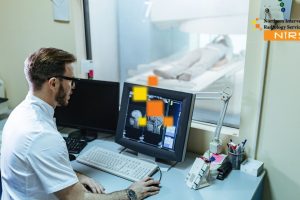
NIRS Islamabad is equipped with modern imaging modalities — including digital subtraction angiography (DSA), high-resolution ultrasound, CT-guided suites, and dedicated recovery units — that make procedures like PAE safe, precise, and patient-friendly.
What is Prostate Artery Embolization (PAE)?
Prostate artery embolization is a minimally invasive, non-surgical treatment aimed at relieving urinary symptoms caused by benign prostatic hyperplasia (BPH) — an enlarged prostate that often causes urinary problems such as weak stream, frequent urination, nocturia (night-time urination), urgency, or incomplete bladder emptying.
In PAE, an interventional radiologist inserts a tiny catheter through a small puncture (typically in the groin or wrist). Guided by imaging, the catheter is navigated to the arteries supplying blood to the prostate. Then, tiny microspheres or embolic particles are released, which block the blood flow to the prostate. With reduced blood supply, the prostate gradually shrinks — relieving pressure on the urethra and improving urinary flow.
Because PAE does not require open surgery, no incisions into the prostate or urethra are needed, no general anesthesia in most cases, and the approach carries fewer risks than traditional surgical methods.
Benefits of PAE at NIRS — Why PAE is Gaining Popularity
Choosing PAE (especially at an advanced center like NIRS) offers several strong advantages over traditional surgical prostate procedures:
- Minimally Invasive & No Big Incisions: PAE is done via a small puncture in the artery (groin or wrist). There’s no cutting of tissue or insertion of instruments into the urethra.
- Outpatient / Day-Care Procedure: Many PAE procedures are done as an outpatient procedure — meaning patients go home the same day, without overnight hospital stay.
- Faster Recovery & Quick Return to Routine: Because PAE avoids major surgery, recovery is swift; many men resume normal activities within days, and full benefits unfold over weeks to months.
- Reduced Risk of Sexual or Urinary Side Effects: Compared to surgical treatments (e.g., TURP), PAE has lower risk of complications such as urinary incontinence, erectile dysfunction, or retrograde ejaculation.
- Symptom Relief & Improved Quality of Life: Many patients experience improvement in urinary flow, decreased urgency or frequency, better bladder emptying, and fewer nights disturbed by urination — often within weeks after PAE.
- Suitable for Patients Unsuitable for Surgery: For men who are poor surgical candidates — due to age, comorbidities, or personal preference — PAE offers a well-tolerated alternative.
Because of these advantages, PAE is increasingly recognized globally as a leading minimally invasive alternative to traditional prostate surgeries.
What to Expect: The PAE Procedure & Recovery
Initial Evaluation
Before PAE, patients undergo evaluation including imaging (ultrasound, CT angiography, or MRI to map prostate arteries), prostate volume assessment, urological evaluation (symptoms, PSA, bladder function), and blood tests. This helps determine if PAE is appropriate.
On the Day of Procedure
- A tiny puncture is made in the groin (femoral artery) or wrist (radial artery) under local anaesthesia or mild sedation.
- A micro-catheter is navigated under imaging guidance to arteries supplying the prostate.
- Embolic particles (microspheres) are released to block blood supply to the prostate, leading to gradual shrinkage.
- Entire procedure typically lasts about 1 hour.
Aftercare & Recovery
- Most patients are discharged the same day (outpatient).
- Mild discomfort, pelvic pressure, or urinary irritation (frequency, urgency) may occur initially — but these usually subside within days to a couple of weeks.
- Prostate shrinkage and full symptom relief typically develop over several weeks to a few months.
- Many patients resume normal daily activities quickly compared to traditional surgery.
Cost of PAE & Why It Is Worth It (Especially in Pakistan)
Globally, analyses have found that PAE may be more cost-effective compared to surgical interventions when considering hospital stay, complications, and recovery time.
For patients in Pakistan — including those turning to a trusted center like NIRS — PAE offers substantial value: a minimally invasive, outpatient, low-risk procedure that avoids the higher costs and longer recovery associated with traditional surgeries.
Because NIRS emphasizes transparency and patient-centric care, you can expect a clear estimate of costs during your consultation — making PAE not just medically sound, but also economically smart.
Is PAE Right for You? Who Should Consider It
PAE may be ideal for men who:
- Suffer from moderate to severe BPH symptoms (urinary frequency, urgency, weak stream, nocturia, incomplete bladder emptying) that affect quality of life.
- Have tried medication but found insufficient relief or experienced side effects.
- Wish to avoid open surgery, general anesthesia, long hospital stay, and lengthy recovery.
- Prefer preservation of sexual and urinary function — a key advantage of PAE over some surgeries.
- Need a treatment that allows quick return to normal activities and daily life.
At NIRS, during your consultation — our interventional radiologists will evaluate your prostate size, symptoms, imaging, and overall health to determine if PAE is a safe, effective option for you.
Why NIRS Is the Best Choice in Pakistan for PAE
- Expertise & specialization: As seen on the NIRS services page, PAE is among the core interventional radiology procedures offered.
- Advanced imaging & technology: NIRS Islamabad uses high-end imaging suites (DSA, CT, ultrasound) and recovery infrastructure to ensure precision, safety, and patient comfort.
- Transparent care & patient communication: NIRS emphasizes clear communication — patients are informed thoroughly about procedure, risks, benefits, and recovery plan.
- Fast return to daily life: Given PAE’s minimally invasive nature, NIRS patients often return to normal lifestyle within days.
- Nationwide trust & reputation: As a top-ranked interventional radiology center in Pakistan, NIRS enjoys broad recognition — making it a reliable and credible choice for men seeking modern prostate care.
Conclusion
If you are searching for a modern, effective, safe, and cost-efficient treatment for enlarged prostate (BPH) — look no further than PAE at NIRS. With advanced imaging technology, expert interventional radiologists, and a patient-centric approach, NIRS delivers what many consider the best Prostate Artery Embolization (PAE) in Pakistan.
Whether you’re frustrated with medications, worried about surgery, or seeking a quick return to normal life — PAE at NIRS offers hope, relief, and long-term quality of life improvement. Contact NIRS today for a consultation and take the first step toward better prostate health.