Blogs

best Varicose Veins Treatment in Rawalpindi and Islamabad using advanced interventional radiology at NIRS Pakistan
Blogs

Trusted Varicose Veins Treatment in Rawalpindi and Islamabad | NIRS

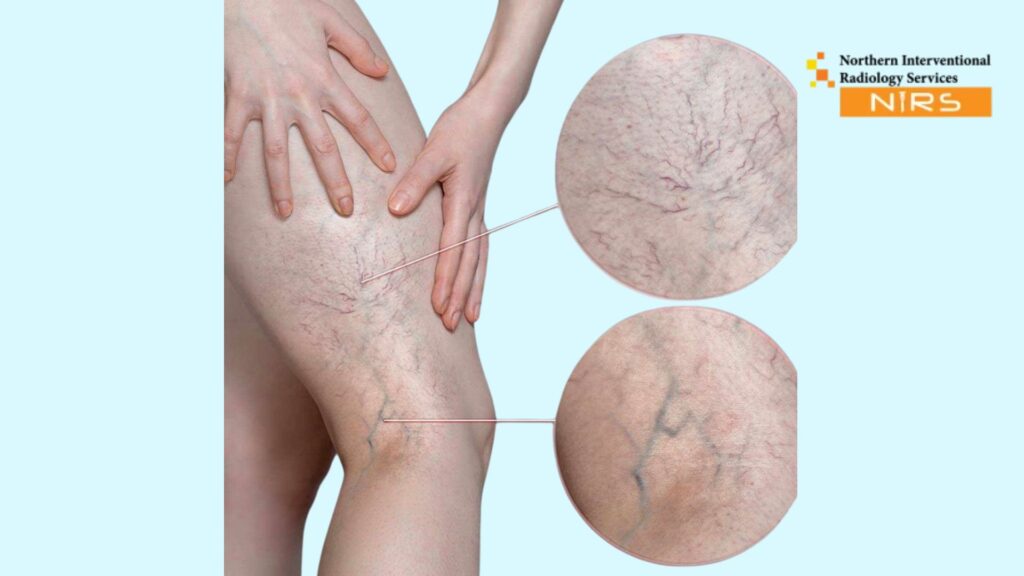
Advanced Varicose Veins Treatment in Rawalpindi and Islamabad | NIRS Varicose veins are one of the most common vein disorders affecting both men and women in Pakistan. These twisted, enlarged veins not only cause cosmetic concerns but also lead to significant discomfort, pain, swelling, and long-term complications if not treated properly. For people living in Rawalpindi, Islamabad, Taxila, and Wah Cantt, the demand for safe, fast, and minimally invasive treatment options has grown rapidly in recent years. At NIRS (Northern Interventional Radiology Services), we offer the best treatment for varicose veins in Rawalpindi and Islamabad, using advanced interventional radiology techniques that guarantee faster recovery, minimal pain, and long-lasting results. Our cutting-edge, non-surgical procedures allow patients to return to their normal life quickly—without the risks associated with traditional varicose vein surgery. Understanding Varicose Veins Varicose veins occur when the valves inside the veins become weak or damaged, causing blood to pool and veins to enlarge. They usually appear on the legs and feet and can worsen over time if left untreated. Common symptoms include: • Swelling in legs• Visible bulging veins• Leg heaviness• Itching or burning sensation• Skin discoloration• Night cramps• Pain that worsens after standing While many people first notice varicose veins for cosmetic reasons, the condition can progress to serious complications such as blood clots, ulcers, and chronic venous insufficiency. Why Modern Minimally Invasive Treatment Is Better Than Surgery Traditional vein stripping surgery is painful, risky, and requires a long recovery period. In contrast, modern interventional radiology treatments performed at NIRS offer numerous advantages: • No large incisions• No stitches• Walk-in, walk-out procedure• Same-day discharge• Minimal discomfort• Lower risk of complications• Quick return to normal routine• Excellent cosmetic results• Long-term relief These benefits make NIRS the leading choice for the best treatment for varicose veins in Rawalpindi and Islamabad. Advanced Varicose Vein Treatment Options at NIRS NIRS provides world-class varicose vein treatments using advanced imaging-guided techniques. Our most popular and effective procedures include: Endovenous Laser Treatment (EVLT) One of the most successful and widely used minimally invasive procedures. A laser fiber is inserted into the vein to seal it from inside. Benefits:• Highly effective• Quick procedure• No major cuts• Minimal pain Radiofrequency Ablation (RFA) A catheter delivers high-frequency energy to heat and close the affected veins. Benefits:• Extremely comfortable• Minimal post-procedure pain• Faster healing• Excellent long-term results Ultrasound-Guided Foam Sclerotherapy A medication foam is injected into the vein to shut it down. Benefits:• Great for smaller varicose veins• No anesthesia needed• Quick treatment• Good cosmetic outcomes Microphlebectomy Tiny punctures are made to remove large surface veins. Benefits:• No stitches• Immediate symptom relief• Smooth cosmetic appearance How NIRS Provides the Best Treatment for Varicose Veins in Rawalpindi and Islamabad At Northern Interventional Radiology Services, our focus is on delivering safe and effective care using the latest global standards in vascular treatment. Our highly skilled interventional radiologists use advanced imaging techniques such as ultrasound and fluoroscopy to perform precise treatments with exceptional accuracy. Why we are the top choice: • Experienced, internationally trained IR specialists• State-of-the-art imaging and treatment technology• 100% non-surgical procedures• Comfortable, patient-focused environment• Affordable treatment plans• Fast appointment scheduling• Custom treatment plans for each patient Our priority is preserving your comfort, confidence, and long-term vascular health. Who Needs Varicose Vein Treatment? This treatment is ideal for individuals who experience: • Leg swelling• Visible twisted veins• Skin changes around ankles• Persistent leg pain• Leg heaviness• Family history of vein problems• Ulcers or previous clotting problems Even mild symptoms should not be ignored—early treatment ensures better results. Procedure and Recovery at NIRS Varicose vein treatments at NIRS are performed in a clean, advanced, and fully equipped interventional radiology setup. The procedures usually take between 30 to 60 minutes. Recovery advantages include: • Barely noticeable incision marks• Walk immediately after treatment• Resume routine activities within 24–48 hours• Minimal bruising• Long-term relief from symptoms Patients are advised to wear compression stockings for a short period to ensure optimal healing. Benefits of Choosing Interventional Radiology for Varicose Veins With the rise of minimally invasive technologies, interventional radiology has become the gold standard for treating varicose veins. Patients enjoy: • No surgical risks• Faster healing• Better cosmetic results• Reduced recurrence• High patient satisfaction NIRS proudly stands among Pakistan’s leading IR centers providing globally approved vascular treatments. Why NIRS Is the Most Trusted Center in Rawalpindi & Islamabad Patients choose NIRS because of: • World-class expertise• Precision-guided treatment• Patient safety protocols• Transparent communication• Affordable pricing• Long-lasting clinical outcomes We ensure every patient receives premium medical care tailored to their needs. Conclusion: Choose NIRS for the Best Treatment for Varicose Veins Varicose veins are not just a cosmetic concern—they are a medical condition that requires expert care. At NIRS, we provide the best treatment for varicose veins in Rawalpindi and Islamabad, using advanced interventional radiology techniques that ensure exceptional comfort, safety, and results. With minimally invasive, nonsurgical solutions, patients experience relief, enhanced mobility, and improved confidence. If you are looking for a reliable, modern, and effective varicose vein treatment center in Pakistan, NIRS is your trusted destination.
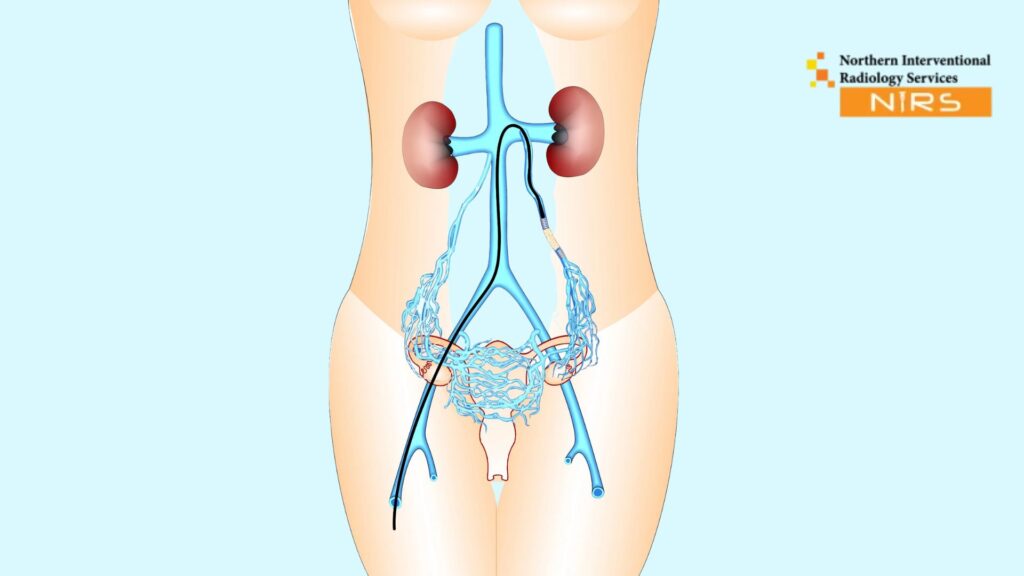
Ovarian Vein Embolization treatment at NIRS Pakistan for pelvic congestion syndrome using advanced interventional radiology
Blogs

Breakthrough Ovarian Vein Embolization Treatment in Pakistan | NIRS

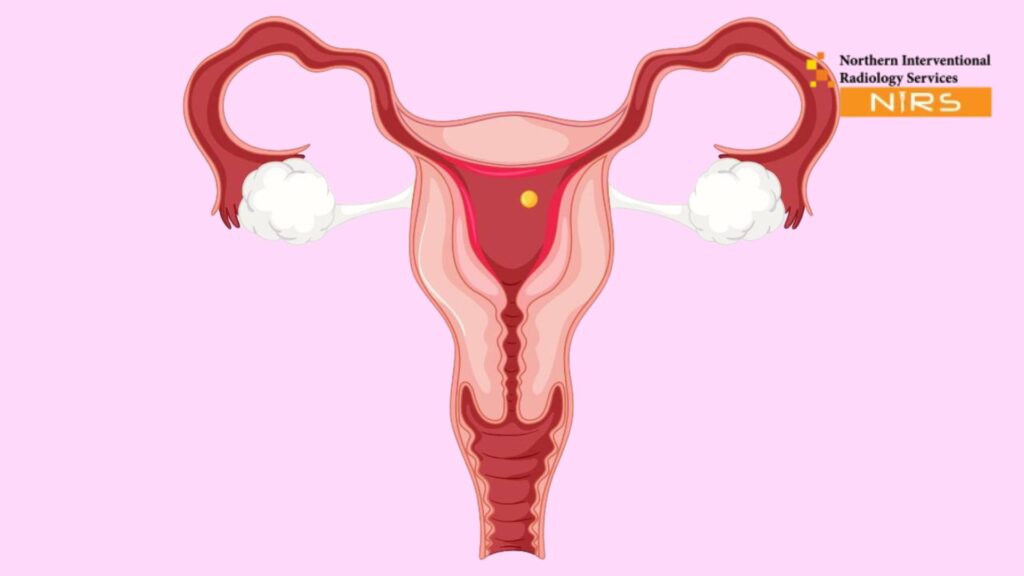
Ovarian Vein Embolization Treatment in Pakistan: Modern Treatment for Pelvic Congestion Syndrome | NIRS Pelvic pain is a serious problem for thousands of women in Pakistan, often ignored or misdiagnosed for years. One of the most common underlying causes is Pelvic Congestion Syndrome (PCS), a condition that develops when veins around the ovaries become enlarged and fail to circulate blood properly. At NIRS (Northern Interventional Radiology Services), we offer a breakthrough, minimally invasive solution known as Ovarian Vein Embolization (OVE)—a modern, highly effective treatment that relieves pain without open surgery. This advanced technique has quickly become the gold-standard treatment for PCS worldwide, and NIRS is proud to bring this international-level service to Pakistan. Understanding Pelvic Congestion Syndrome (PCS) Pelvic Congestion Syndrome occurs when the ovarian veins become weak or dilated, causing blood to pool inside. This leads to chronic pelvic pain, heaviness, and discomfort—especially when standing for long periods. Common symptoms include: Many women spend years seeking treatment from gynecologists, believing the problem is hormonal or related to reproductive organs. In reality, it is a vascular condition, not a gynecological disorder—making interventional radiology the ideal treatment specialty. What Is Ovarian Vein Embolization? Ovarian Vein Embolization (OVE) is a highly advanced, minimally invasive procedure that blocks the abnormal, enlarged ovarian veins responsible for PCS. This stops blood from pooling and restores healthy circulation. The procedure is performed by expert interventional radiologists at NIRS, using modern imaging guidance and micro-catheters. No open surgery, no stitches, and minimal downtime. OVE is globally recognized for: This treatment is ideal for women wanting to avoid major surgery and achieve rapid improvement in quality of life. How the Procedure Works at NIRS NIRS follows international protocols to ensure maximum comfort, safety, and accuracy. The step-by-step procedure: The entire process usually takes 20–40 minutes, and patients can go home the same day. Benefits of Ovarian Vein Embolization OVE provides relief that many women have been searching for but never knew existed. Advantages include: Major Benefits: At NIRS, the success rate of this treatment is exceptionally high due to modern equipment, expert radiologists, and patient-focused care. Recovery After Ovarian Vein Embolization One of the biggest advantages of OVE is the quick, smooth recovery process. Recovery Timeline: Patients receive a personalized recovery plan tailored to their condition, ensuring comfortable and safe healing. Why NIRS Is the Best Choice for PCS Treatment in Pakistan NIRS (Northern Interventional Radiology Services) is a leading institution offering advanced, minimally invasive treatments across Pakistan. We specialize in modern techniques that replace traditional surgery with safer, more effective solutions. What sets NIRS apart: Our mission is to make world-class interventional radiology accessible for everyone in Pakistan—safely, effectively, and affordably. When Should You Consult NIRS? You should consider an evaluation for PCS and Ovarian Vein Embolization if you experience: Early diagnosis leads to faster relief—don’t wait until the pain affects your daily life. Conclusion Ovarian Vein Embolization: Modern Treatment for Pelvic Congestion Syndrome is a life-changing solution for women suffering from chronic pelvic pain. At NIRS, we provide this advanced treatment with precision, safety, and compassionate care. If you’re seeking a reliable, minimally invasive option in Pakistan, NIRS offers the best expertise and technology to restore your health and comfort.

Minimally Invasive Alternatives to Surgery for Women Over 40 at NIRS using advanced interventional radiology treatments
Blogs

Best Minimally Invasive Alternatives for Women 40+ | NIRS

Advanced Minimally Invasive Alternatives for Women 40+ | NIRS As women cross the age of 40, health priorities naturally shift. Hormonal changes, reproductive health challenges, pelvic disorders, varicose veins, and tumor-related concerns start becoming more common. Traditionally, surgery was considered the only effective option for many of these issues. However, medical science has evolved dramatically—thanks to Interventional Radiology (IR). At NIRS (Northern Interventional Radiology Services), women now have access to Minimally Invasive Alternatives to Surgery, making treatment safer, faster, and more comfortable. These modern procedures require no open surgery, no stitches, and offer quicker recovery, allowing women to return to their daily routine with confidence. For women over 40, who often juggle careers, families, and health responsibilities, these advanced solutions are life-changing. Why Minimally Invasive Procedures Matter After Age 40 As the body ages, recovery after major surgery becomes slower. Women over 40 often face: This is where minimally invasive procedures offered by NIRS provide a safer and highly effective alternative. These IR treatments use tiny catheters and advanced imaging to target the problem areas with precision. The result: maximum success with minimal discomfort. Common Health Issues in Women Over 40 That NIRS Treats Without Surgery Interventional radiology can treat numerous conditions that once required open surgery. Here are the most common ones affecting women over 40: Uterine Fibroids – Non-Surgical UFE Fibroids are extremely common after 40, often causing heavy bleeding, pelvic pressure, back pain, and infertility issues. Many women believe hysterectomy (removal of the uterus) is the only option. But at NIRS, Uterine Fibroid Embolization (UFE) offers a powerful, non-surgical solution. Benefits of UFE for Women Over 40: UFE is one of the most successful minimally invasive treatments available globally—and NIRS provides it with world-class precision. Pelvic Congestion Syndrome – Ovarian Vein Embolization Chronic pelvic pain is a major complaint among women over 40. One often-overlooked cause is Pelvic Congestion Syndrome (PCS), where pelvic veins become enlarged and painful. NIRS provides Ovarian Vein Embolization, a modern technique that blocks faulty veins and restores proper blood flow. Why women over 40 prefer this: Varicose Veins – Non-Surgical Laser & Glue Treatment Varicose veins become more common with age, especially among women who stand for long hours or have been through multiple pregnancies. Instead of painful vein-stripping surgery, NIRS offers advanced IR treatments such as: These provide: Kidney & Liver Tumor Ablation – A Surgery-Free Option Tumor risks increase after age 40. Traditionally, tumor removal required open surgery. But now, NIRS offers: These methods destroy tumors using heat or cold—without opening the body. Benefits for women over 40: Thyroid Nodule Ablation – No Surgery Needed Benign thyroid nodules become common in women after midlife. Instead of removing the thyroid surgically, NIRS performs: It shrinks thyroid nodules without scars or hormone dependence. How Minimally Invasive Procedures Work at NIRS All IR treatments at NIRS follow a structured, safe, and comfortable process: This makes IR treatments ideal for women over 40 who prefer faster recovery and minimal disruption to their routine. Benefits of Minimally Invasive Alternatives for Women Over 40 Women choosing NIRS procedures experience: These benefits make minimally invasive procedures the future of women’s healthcare in Pakistan. Why NIRS Is the Best Choice in Pakistan for Women Over 40 NIRS stands at the forefront of interventional radiology, offering high-tech medical solutions that eliminate the need for surgery. What makes NIRS exceptional: NIRS ensures women receive safe, reliable, and advanced treatment options with dignity and care. Conclusion Minimally Invasive Alternatives to Surgery for Women Over 40 are transforming healthcare across Pakistan. With the expertise of NIRS, women can now avoid painful surgeries, long hospital stays, and unnecessary complications. Whether it’s fibroids, pelvic pain, varicose veins, tumors, or thyroid nodules — NIRS provides safe, effective, and life-changing solutions.

Advanced Diabetic Foot Angioplasty at NIRS Pakistan using interventional radiology for diabetic limb salvage
Blogs

Advanced Diabetic Foot Angioplasty in Pakistan | NIRS

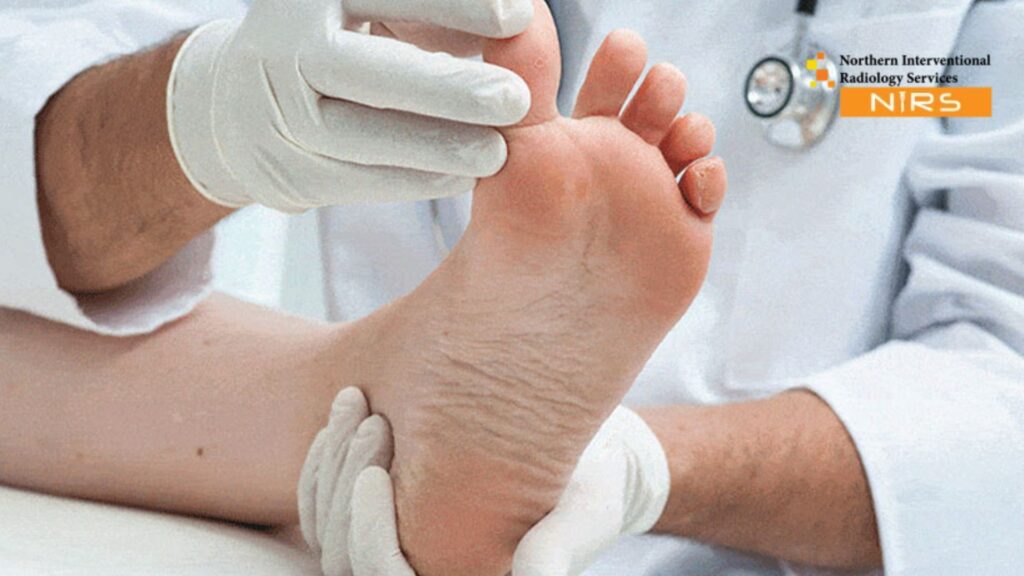
Best Advanced Diabetic Foot Angioplasty in Pakistan | NIRS Diabetes is rapidly increasing in Pakistan, and with it comes one of the most dangerous complications — diabetic foot disease. Poor blood circulation, nerve damage, and narrowed arteries make healing extremely difficult. Many patients suffer from non-healing ulcers, severe pain, blackened toes, or gangrene. In most hospitals, the final recommendation becomes amputation. But at NIRS (Northern Interventional Radiology Services), there is a powerful alternative that saves limbs, prevents disability, and restores life quality — Advanced Diabetic Foot Angioplasty. This minimally invasive, image-guided procedure opens blocked arteries, restores blood flow, and accelerates healing without major surgery. It is one of the most revolutionary approaches for diabetic patients worldwide, and NIRS proudly brings this advanced treatment to Pakistan. Why Diabetic Foot Problems Occur As diabetes progresses, blood vessels become narrow and hardened. This restricted blood supply leads to: Poor circulation is the root cause of diabetic foot complications — and angioplasty directly targets this issue. What Is Advanced Diabetic Foot Angioplasty? Advanced Diabetic Foot Angioplasty is a minimally invasive procedure performed by an interventional radiologist at NIRS. Using high-precision imaging, a tiny balloon catheter is inserted into the blocked arteries of the foot or leg. Once positioned, the balloon gently expands to open the artery, allowing blood to flow freely again. This advanced technique includes: All these are performed without open surgery and usually without general anesthesia. Benefits of Advanced Diabetic Foot Angioplasty at NIRS Diabetic foot angioplasty is a breakthrough treatment, especially for patients at risk of losing their limbs. Key benefits include: NIRS ensures that each treatment is performed with precision, advanced imaging, and international safety standards. Who Needs Diabetic Foot Angioplasty? If you have diabetes and experience the following symptoms, angioplasty may be the ideal treatment: Early intervention can prevent major complications and save the limb. How the Procedure Works at NIRS At NIRS, Advanced Diabetic Foot Angioplasty is performed using state-of-the-art medical imaging systems and modern interventional radiology equipment. Step-by-step process: 1. Detailed AssessmentUltrasound, CT angiography, or Doppler is performed to identify blockages. 2. Access Through a Tiny PinholeA small catheter is inserted through the groin or foot. 3. Imaging-Guided NavigationThe interventional radiologist uses X-ray or fluoroscopy to locate the blocked artery. 4. Balloon ExpansionA balloon catheter is inflated to widen the artery. 5. Drug-Coated Technology (If Required)Special medicated balloons prevent re-blockage. 6. Improved Blood FlowCirculation returns instantly, starting the healing process. The patient can usually walk the same day or the next day. Why NIRS Is the Best Center for Diabetic Foot Angioplasty in Pakistan NIRS stands as one of Pakistan’s leading centers for interventional radiology, providing highly advanced treatments with exceptional success rates. What makes NIRS unique: NIRS has helped numerous patients avoid amputation and regain mobility — restoring hope to families across Pakistan. What Happens After Angioplasty? Recovery is quick and generally smooth. The patient may be advised to: Healing begins rapidly once proper blood flow is restored. Why Early Treatment Is Important Delay in diabetic foot treatment can lead to immediate complications: Advanced Diabetic Foot Angioplasty at NIRS offers a golden opportunity to save the limb and avoid long-term disability. Conclusion Advanced Diabetic Foot Angioplasty is one of the most powerful, limb-saving procedures available for diabetic patients today. At NIRS (Northern Interventional Radiology Services), this treatment is performed with precision, safety, and excellence — giving patients a second chance at life without amputation.

Reasons to Choose Embolization Over Surgery. Embolization procedure at NIRS Pakistan for minimally invasive treatment options including uterine fibroid embolization
Blogs

Powerful Reasons to Choose Embolization Over Surgery | NIRS

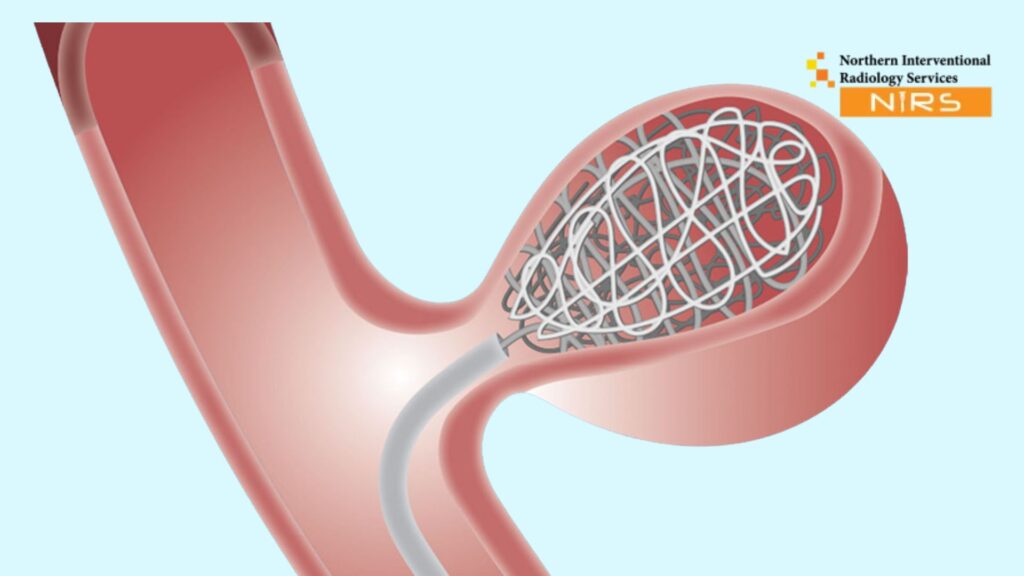
Best Powerful Reasons to Choose Embolization Over Surgery | NIRS In modern healthcare, minimally invasive treatments are transforming the way patients receive care. Among these innovations, embolization stands out as one of the most effective, safest, and advanced alternatives to traditional surgery. At NIRS (Northern Interventional Radiology Services), embolization is performed using cutting-edge imaging systems and the latest interventional radiology techniques—allowing patients to experience treatment with minimal pain, reduced risks, and faster recovery. Traditional surgery often requires large cuts, long hospital stays, and significant recovery time. In contrast, embolization is performed through a tiny pinhole, making it one of the best non-surgical treatment options available today. Patients across Pakistan are increasingly choosing embolization to treat conditions such as fibroids, varicocele, pelvic congestion syndrome, liver tumors, kidney tumors, and vascular abnormalities. This detailed guide explains why embolization is superior to traditional surgery, and why NIRS is the most trusted center for these procedures. What Is Embolization? Embolization is a minimally invasive, image-guided medical procedure performed by an interventional radiologist. A thin catheter is carefully inserted into a blood vessel and guided to the area needing treatment. Tiny medical particles, coils, or agents are released to block abnormal or diseased blood flow. This helps: Embolization is precise, safe, and effective—making it a powerful alternative to traditional surgical methods. Reasons Why Embolization Is Better Than Traditional Surgery Below are the most important benefits that make embolization the preferred choice for patients and doctors worldwide. Minimally Invasive With No Large Cuts Traditional surgery usually requires big incisions, stitches, and removal of tissues.In contrast, embolization is performed through a tiny needle puncture, often smaller than a grain of rice. Benefits include: This makes embolization especially suitable for older patients, diabetic patients, or individuals who cannot tolerate surgery. Faster Recovery and Quick Return to Daily Life After traditional surgery, patients often stay in the hospital for several days, followed by weeks of rest at home.Embolization allows patients to: This convenience is one of the major reasons patients in Pakistan prefer embolization at NIRS. Less Pain and Discomfort Surgery can cause significant postoperative pain and discomfort due to large incisions, tissue removal, and anesthesia.Embolization, however, is far gentler on the body: Most patients only require mild pain medication, if any. Safe Alternative for High-Risk Patients Many people cannot undergo surgery due to: Embolization is much safer for such patients because it avoids the complications of anesthesia and major surgical trauma. NIRS specializes in providing safe embolization procedures tailored to high-risk individuals. Targeted Treatment With High Success Rate Embolization directly targets the affected blood vessel or tissue without damaging surrounding organs.This precision ensures: Whether it is uterine fibroid embolization (UFE), prostate artery embolization, varicocele embolization, or tumor embolization, NIRS offers world-class results. Reduced Risk of Complications Traditional surgery carries risks such as: Embolization dramatically reduces these risks due to its minimally invasive nature and advanced imaging guidance. No General Anesthesia Required Most embolization procedures at NIRS are performed under: This eliminates the complications associated with full anesthesia, making the procedure safer for all age groups. Shorter Hospital Stay = Lower Cost Surgical procedures often involve: Embolization reduces these costs significantly because it is performed as a day-care or short-stay procedure. Why NIRS Is the Best Center for Embolization in Pakistan NIRS is a leading interventional radiology center offering advanced embolization services using modern imaging equipment and international clinical protocols. What sets NIRS apart: Patients from Rawalpindi, Islamabad, Taxila, Wah Cantt, Lahore, and across Pakistan trust NIRS for safe, reliable, and effective minimally invasive treatments. Who Should Choose Embolization? You should consider embolization if you suffer from: It is the safest and most effective non-surgical option for many conditions. Conclusion Embolization is a powerful alternative to traditional surgery. It is safe, minimally invasive, and offers faster recovery with fewer risks. At NIRS (Northern Interventional Radiology Services), patients receive world-class embolization treatments performed with precision and care. When the goal is to avoid surgery, reduce pain, and achieve better outcomes—embolization is the smart choice.

Best Treatment for Enlarged Prostate (BPH) Without Surgery in Pakistan at NIRS Northern Interventional Radiology Services
Blogs

Best Treatment for Enlarged Prostate (BPH) in Pakistan

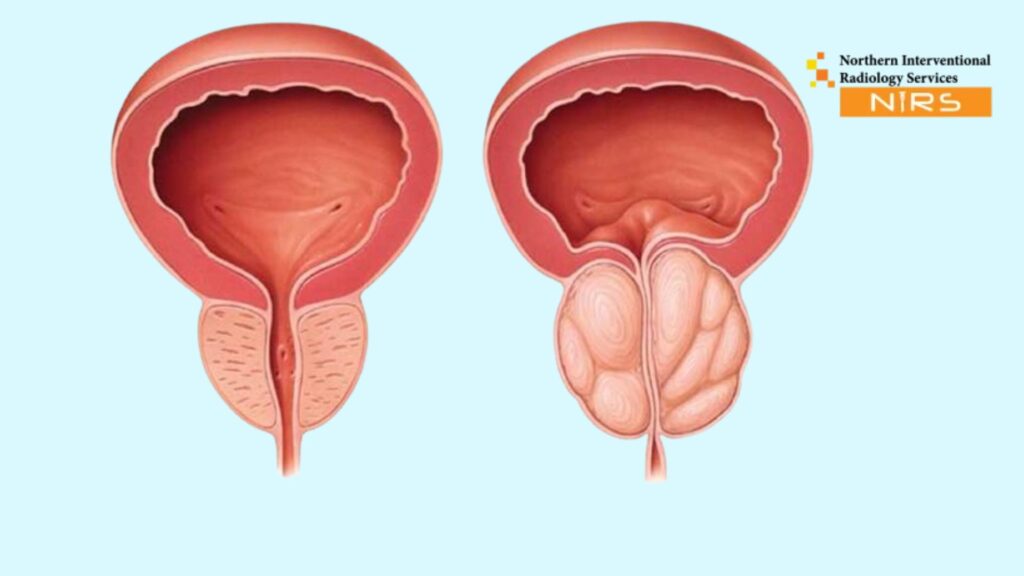
Best Treatment for Enlarged Prostate (BPH) in Pakistan Without Surgery | NIRS Enlarged Prostate, also known as Benign Prostatic Hyperplasia (BPH), is one of the most common health issues men face after the age of 50. In Pakistan, thousands of men experience urinary symptoms such as frequent urination, weak urine flow, incomplete bladder emptying, or nighttime urination. Traditionally, many patients were left with limited treatment options, most of which required invasive surgery. But today, a revolutionary shift has arrived through Interventional Radiology. At NIRS – Northern Interventional Radiology Services, patients now receive the best treatment for enlarged prostate (BPH) without surgery in Pakistan, offering quick relief, minimal discomfort, and long-lasting results. This breakthrough procedure is called Prostate Artery Embolization (PAE). Below is a detailed, SEO-optimized, patient-friendly guide to help users understand why NIRS is the most trusted name for non-surgical BPH treatment. What is Enlarged Prostate(BPH)? An enlarged prostate occurs when the prostate gland grows due to age-related hormonal changes. As the gland increases in size, it compresses the urethra, causing distressing urinary symptoms. While the condition is not cancer, untreated BPH can severely affect quality of life. Common symptoms include: If ignored, BPH may lead to repeated infections, bladder stones, and even kidney damage. Non-Surgical BPH Treatment at NIRS: Prostate Artery Embolization One of the most advanced and safest innovations available today is Prostate Artery Embolization (PAE). It is a minimally invasive, image-guided treatment performed by highly skilled interventional radiologists at NIRS. Instead of cutting, removing, or damaging tissue through surgery, PAE works by blocking the small blood vessels that supply the prostate, causing it to shrink naturally over time. This technique is highly effective and ideal for patients who: How PAE is Performed at NIRS The PAE procedure at NIRS follows international safety standards and uses state-of-the-art equipment. The steps include: The entire procedure takes about 60–90 minutes, requires no anesthesia, and allows patients to go home the same day. Benefits of Choosing PAE at NIRS NIRS is known as a leader in minimally invasive prostate treatments in Pakistan. Patients choose NIRS because of: Minimally Invasive Procedure No cuts, stitches, or surgical wounds. Only a tiny pinhole incision is made. Fast Recovery Most patients return to normal activities within 24–48 hours. Safe for Older Patients Men who cannot undergo traditional surgery due to heart disease, diabetes, or hypertension can safely undergo PAE. Preserves Sexual Function Unlike traditional prostate surgeries that may affect ejaculation or erectile function, PAE is designed to preserve natural sexual health. Long-Term Effectiveness Clinical studies show that PAE provides long-lasting relief, and many patients avoid surgery permanently. Performed by Expert Interventional Radiologists NIRS specialists have extensive experience in prostate artery mapping, catheter navigation, and advanced embolization techniques. Who Is a Good Candidate for PAE? PAE is an excellent option for men who: At NIRS, every patient undergoes a detailed evaluation including ultrasound, MRI (if needed), and consultation to ensure the best treatment decision. Why NIRS Is the Leading Center for Non Surgical BPH Treatment in Pakistan NIRS is considered one of Pakistan’s most advanced interventional radiology centers. What makes NIRS unique? With a mission to bring global technology to Pakistan, NIRS continues to raise the standard of minimally invasive healthcare. Book Your Consultation for BPH Treatment at NIRS If you or a loved one is suffering from enlarged prostate symptoms, now is the time to choose a better, safer, and more effective solution. At NIRS, we provide the best treatment for enlarged prostate (BPH) without surgery in Pakistan, ensuring comfort, precision, and long-term relief. Patients from Rawalpindi, Islamabad, Lahore, and across Pakistan trust NIRS for non-surgical prostate solutions.

What to Expect in Interventional Radiology like Before During After an Interventional Radiology Procedure at NIRS Northern Interventional Radiology Services Pakistan
Blogs

What to Expect in Interventional Radiology | NIRS

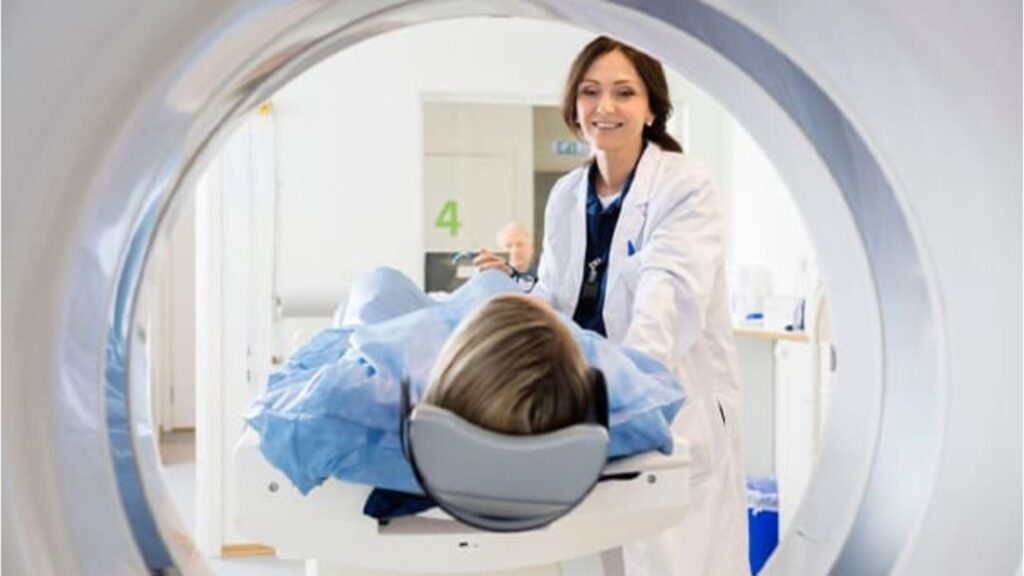
What to Expect in Interventional Radiology | NIRS Interventional Radiology (IR) has transformed modern medicine by offering minimally invasive, image-guided treatments that replace traditional surgery. At NIRS (Northern Interventional Radiology Services), patients benefit from world-class technology, experienced IR specialists, and safe procedures designed to reduce pain, risk, and recovery time. If you are scheduled for an IR procedure or considering one, understanding each step of the process helps reduce anxiety and empowers you to make informed decisions. This comprehensive guide explains what to expect before, during, and after an interventional radiology procedure at NIRS. The Role of NIRS in Modern Intervaentional Radiology NIRS is one of Pakistan’s most advanced centers dedicated to non-surgical treatments using imaging techniques such as fluoroscopy, ultrasound, and CT guidance. Instead of large incisions, IR specialists use tiny needles and catheters to treat conditions involving the liver, kidneys, prostate, uterus, veins, arteries, tumors, and more. Patients choose NIRS because of: This makes NIRS the leading choice for individuals who prefer safer and faster treatments over traditional surgeries. What to Expect Before Your IR Procedure at NIRS Proper preparation ensures the best outcomes. At NIRS, the pre-procedure phase is designed to evaluate your health, plan the safest approach, and guide you through every requirement. 1. Consultation & Medical History Review Your journey begins with a detailed consultation where the interventional radiologist reviews: This assessment helps identify the most suitable IR treatment for your condition. 2. Diagnostic Imaging Depending on your condition, imaging tests may include: These images help create a customized treatment plan. 3. Medication Instructions Patients are often advised to: You receive a written and verbal guideline to avoid confusion. 4. Laboratory Tests Tests may include: These results confirm that your body is ready for the procedure. 5. Pre-Procedure Counseling NIRS staff explains: This reduces fear and allows patients to feel confident and well-prepared. What to Expect During Your IR Procedure at NIRS Most interventional radiology procedures are completed within 30 minutes to 2 hours and require no general anesthesia. 1. Arrival & Preparation Upon arrival: 2. Local Anesthesia Only Unlike surgery, NIRS uses local anesthesia in most cases, ensuring: You remain awake but relaxed throughout. 3. Pinhole Access Technique The interventional radiologist makes a tiny pinhole incision—usually only 1–2 millimeters. Using advanced imaging, a catheter is guided through blood vessels to reach the exact location requiring treatment. 4. Live Imaging Guidance The entire procedure is performed using: This ensures exceptional accuracy and safety. 5. Completion and Bandage After the treatment: What to Expect After Your IR Procedure at NIRS Recovery is one of the most significant advantages of interventional radiology. 1. Short Observation Period Patients are monitored for 1–3 hours depending on the procedure. Vital signs are checked, and discomfort (if any) is minimal. 2. Same-Day Discharge Most patients go home the same day, with simple after-care instructions. 3. Post-Procedure Care You may be advised to: Medications may be prescribed only if necessary. 4. Follow-Up Appointments NIRS schedules a follow-up visit to ensure the treatment is successful and healing is complete. Additional imaging may be recommended based on the procedure type. 5. Quick Return to Daily Life Most individuals return to normal activities within 1–2 days—much faster than the 2–6 weeks required after surgery. Why Choose NIRS for Your Interventional Radiology Procedure? NIRS stands out because of: Choosing NIRS means choosing safety, comfort, accuracy, and faster healing. Book Your Consultation at NIRS Today Whether you’re preparing for a procedure or simply exploring your options, NIRS provides the most reliable guidance and minimally invasive treatment solutions in Pakistan. Experience expert care every step of the way—from what to expect before, during, and after an interventional radiology procedure—to complete recovery and long-term health.

best option for Relief for Leg Pain Peripheral Angioplasty .Leg Pain Due to Blocked Arteries Learn About Peripheral Angioplasty at NIRS Northern Interventional Radiology Services Pakistan
Blogs

Powerful Relief for Leg Pain Peripheral Angioplasty | NIRS

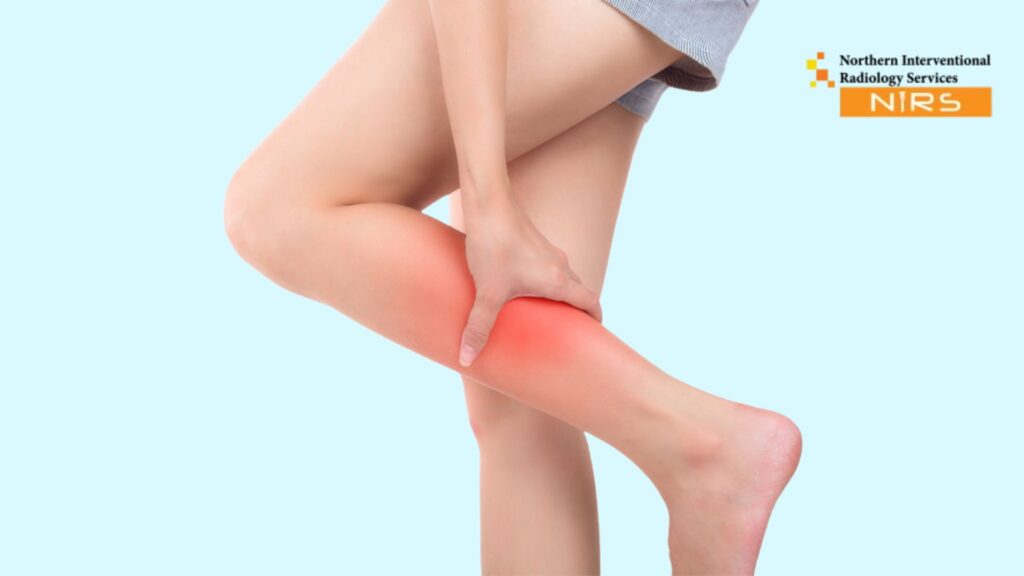
Advanced Relief for Leg Pain Peripheral Angioplasty | NIRS Leg pain is often ignored until it becomes severe enough to limit walking, standing, or even normal daily activities. But many people do not realize that persistent leg pain, numbness, coldness, or cramps can be caused by blocked arteries—a condition known as Peripheral Artery Disease (PAD). At NIRS (Northern Interventional Radiology Services), patients suffering from PAD receive modern, non-surgical treatment known as Peripheral Angioplasty, a highly effective procedure that restores blood flow and eliminates artery-related leg pain. This page explains everything you need to know about blocked arteries, symptoms, diagnosis, treatment, and why NIRS is Pakistan’s trusted center for peripheral angioplasty. Understanding Leg Pain Due to Blocked Arteries Blocked arteries occur when cholesterol, plaque, or calcium deposits harden inside the blood vessels, narrowing the passageway and reducing blood supply to the legs. When the muscles do not receive enough oxygen-rich blood, pain begins—especially during walking or physical activity. Common symptoms include: PAD is dangerous because it can eventually lead to: Early treatment is the key to preventing complications—and peripheral angioplasty is one of the safest, fastest solutions available. What Is Peripheral Angioplasty? Peripheral angioplasty is a minimally invasive, non-surgical procedure used to open blocked arteries in the legs. Instead of cutting or stitching, doctors at NIRS use image guidance to navigate a tiny catheter to the blockage site and reopen the artery. This procedure: Peripheral angioplasty is especially effective for diabetic patients, elderly individuals, and people with severe circulation issues. How NIRS Performs Peripheral Angioplasty NIRS uses advanced imaging technology and internationally trained specialists to perform the procedure safely and precisely. Here is what patients can expect: 1. Initial Consultation & Diagnosis NIRS begins with a complete assessment: These tests pinpoint the exact location and severity of the artery blockage. 2. Local Anesthesia Only Unlike surgery, peripheral angioplasty requires no general anesthesia. Only the access area (usually the groin or wrist) is numbed. Benefits include: 3. Pinhole Access Technique The interventional radiologist makes a tiny 1–2 mm hole and inserts a catheter. 4. Live Imaging Navigation Using fluoroscopy and advanced imaging screens, the catheter is guided to the blocked artery. 5. Balloon Angioplasty Once positioned, a tiny balloon inflates inside the blockage, pushing plaque aside and widening the artery. 6. Stent Placement (If Needed) Sometimes a stent (a small metal tube) is placed to keep the artery open permanently. 7. Quick Closure and Discharge After the procedure: Benefits of Peripheral Angioplasty at NIRS Choosing NIRS for this life-changing treatment ensures: Fast Pain Relief Most patients feel leg relief within hours after restoring blood circulation. No Surgery, No Stitches Minimally invasive procedures mean fewer risks and zero surgical trauma. Short Recovery Time Patients walk the same day and return to routine work within 24–48 hours. High Success Rate NIRS specialists have extensive experience in treating severe PAD cases. Affordable & Accessible Compared to traditional vascular surgery, angioplasty is cost-effective and safer. Advanced Imaging Equipment NIRS uses international-standard technology for maximum precision. Who Needs Peripheral Angioplasty? Peripheral angioplasty is essential for individuals who experience: If left untreated, blocked arteries can lead to amputations. Early treatment at NIRS helps restore blood flow and saves limbs from life-threatening damage. Aftercare & Recovery at NIRS After peripheral angioplasty, patients usually recover quickly. NIRS provides detailed post-procedure guidance such as: Patients typically resume normal activities within 48 hours. Why NIRS Is Pakistan’s Best Center for Peripheral Angioplasty NIRS is recognized for: Patients from Rawalpindi, Islamabad, Taxila, Wah Cantt, and across Pakistan trust NIRS for safe and advanced non-surgical vascular treatments. Get Relief from Leg Pain – Contact NIRS Today If you are experiencing leg pain, numbness, or circulation problems, do not wait until the condition worsens. Peripheral angioplasty at NIRS can restore proper blood flow, relieve pain, save limbs, and dramatically improve your quality of life. Your journey toward a pain-free life begins with one consultation.

Non-Surgical Treatment for Uterine Adenomyosis in Pakistan at NIRS Northern Interventional Radiology Services Minimally Invasive Care
Blogs

Powerful Non-Surgical Treatment for Uterine Adenomyosis | NIRS

Advance Non-Surgical Treatment for Uterine Adenomyosis | NIRS Uterine adenomyosis is a common yet often misunderstood gynecological condition, affecting women of reproductive age. It occurs when endometrial tissue grows within the muscular wall of the uterus, leading to heavy menstrual bleeding, pelvic pain, bloating, and discomfort. Traditionally, treatment options included major surgery, such as hysterectomy, which is invasive and requires long recovery. But at NIRS (Northern Interventional Radiology Services), patients now have access to safe, effective, and non-surgical treatment for uterine adenomyosis in Pakistan using uterine artery embolization (UAE) and other minimally invasive interventions. This comprehensive guide explains what uterine adenomyosis is, the symptoms, treatment options, and why NIRS is the leading center for non-surgical care. Understanding Uterine Adenomyosis Uterine adenomyosis occurs when the inner lining of the uterus (endometrium) invades the muscular uterine wall (myometrium). This leads to: The condition can significantly impact quality of life, affecting daily activities and emotional well-being. Early diagnosis and treatment are essential to prevent long-term complications. Why Choose Non-Surgical Treatment? Surgical options like hysterectomy remove the uterus entirely, which is not ideal for women who wish to preserve fertility or avoid major surgery. Non-surgical, minimally invasive treatments are increasingly preferred because they: At NIRS, the most advanced non-surgical option is uterine artery embolization (UAE). How Non-Surgical Treatment Works at NIRS 1. Pre-Treatment Consultation Every patient begins with a thorough evaluation: This helps the specialists plan a personalized treatment approach. 2. Minimally Invasive Procedure – Uterine Artery Embolization UAE is a pinhole, image-guided procedure performed under local anesthesia. The steps include: The procedure typically takes 60–90 minutes, and patients can go home the same day. 3. Post-Treatment Recovery How Non-Surgical Treatment Works at NIRS Minimally Invasive Approach Quick Recovery Preserves Uterus & Fertility Effective Pain & Symptom Relief Safe & High-Precision Who Is a Candidate for Non-Surgical Treatment? Non-surgical uterine adenomyosis treatment is ideal for women who: NIRS specialists assess each case carefully to ensure the safest and most effective treatment. Why NIRS Is the Best Center for Uterine Adenomyosis Treatment in Pakistan NIRS combines expertise, technology, and patient-centered care to deliver world-class non-surgical treatments: Patients consistently report excellent outcomes, faster recovery, and minimal discomfort compared to surgical options. Conclusion Uterine adenomyosis should not control your life. With non-surgical treatments at NIRS, women in Pakistan can experience effective relief without the risks, pain, and recovery time associated with surgery. Choose NIRS (Northern Interventional Radiology Services) for expert care, advanced imaging, and a minimally invasive approach that prioritizes your health and quality of life.

Understanding Male Infertility and Varicocele IR Treatment at NIRS Northern Interventional Radiology Services Pakistan
Blogs

Male Infertility and Varicocele IR Treatment | NIRS

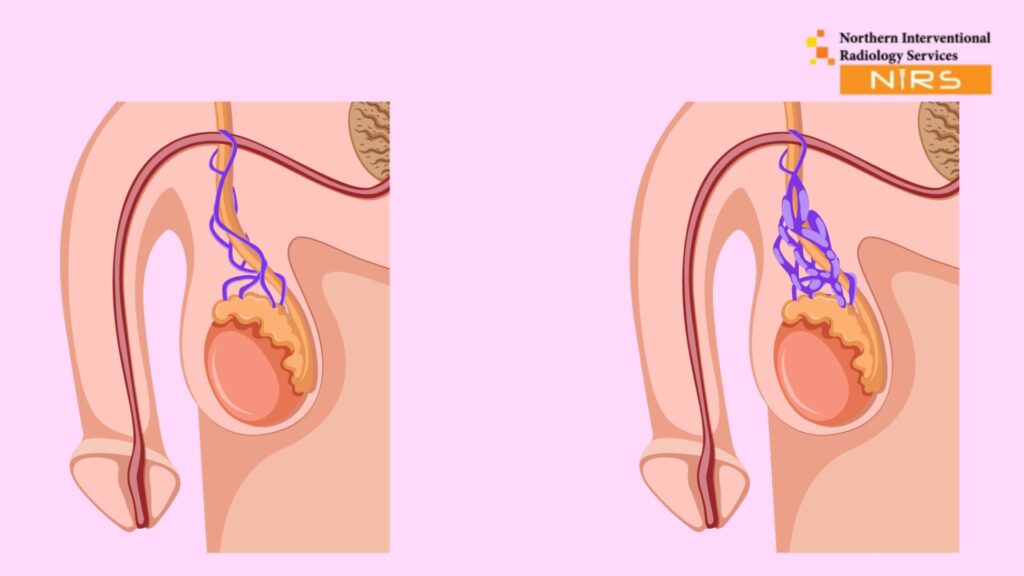
Understanding Male Infertility and Varicocele IR Treatment | NIRS Male infertility affects millions of men worldwide, and one of the leading yet often overlooked causes is varicocele. Varicocele is an abnormal enlargement of veins within the scrotum that can reduce sperm quality, count, and motility, ultimately impacting fertility. At NIRS (Northern Interventional Radiology Services), men in Pakistan now have access to advanced, minimally invasive interventional radiology (IR) treatments for varicocele, providing effective solutions without major surgery. This comprehensive guide will explain what varicocele is, how it affects fertility, symptoms, diagnosis, and why NIRS is the most trusted center for IR treatment. What Is Varicocele and How It Affects Male Fertility Varicocele occurs when the valves in the veins inside the scrotum fail, causing blood to pool and veins to enlarge. This condition is similar to varicose veins that occur in the legs. How Varicocele Impacts Fertility: Approximately 15% of all men and 40% of infertile men have varicocele, making it a significant contributor to male infertility. Symptoms of Varicocele Not all varicoceles are symptomatic, but common signs include: Many men only discover varicocele after fertility testing. Diagnosis of Varicocele at NIRS NIRS employs advanced diagnostic techniques to detect varicocele accurately: Early diagnosis is critical to prevent long-term fertility issues. Interventional Radiology Treatment for Varicocele Why Choose IR Treatment? Interventional radiology offers a minimally invasive alternative to traditional surgical varicocelectomy, providing: How the Procedure Works at NIRS The entire procedure usually takes 30–60 minutes, and patients can return home the same day. Benefits of Varicocele IR Treatment at NIRS Minimally Invasive & Safe Quick Recovery Preserves Fertility High Precision Trusted Expertise Who Is a Candidate for IR Varicocele Treatment? Men who may benefit include: At NIRS, each patient undergoes comprehensive evaluation to ensure the procedure is safe and effective. Post-Procedure Care and Recovery Why NIRS Is the Leading Center for Male Infertility Treatment in Pakistan NIRS stands out due to: Choosing NIRS ensures men receive safe, modern, and highly effective care for varicocele-related infertility. Book Your Consultation at NIRS Today Male infertility caused by varicocele is treatable with minimally invasive interventional radiology. NIRS (Northern Interventional Radiology Services) provides expert diagnosis, advanced treatment, and personalized care to help men regain fertility and quality of life.