Life-Saving Interventional Radiology for Bleeding: The NIRS Emergency Care
In medical emergencies involving severe internal bleeding, every second counts. Traditional surgical methods often require large incisions and significant time to locate the source of a hemorrhage, which can be dangerous for an unstable patient. At Northern Interventional Radiology Services (NIRS), we offer a faster, more precise alternative: Life-Saving Interventional Radiology for Bleeding.
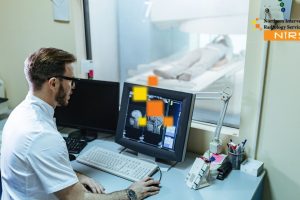
By utilizing real-time, high-definition imaging, our specialists can “see” inside the vascular system, identify the exact point of rupture, and stop the bleeding through a pinhole incision. This approach is not just an alternative to surgery; it is a modern standard in emergency medicine.
What is Emergency Interventional Radiology?
Interventional Radiology (IR) uses image-guided tools to perform minimally invasive procedures. In the context of trauma or internal hemorrhage, IR focuses on “Embolization.” This involves navigating a tiny catheter through the blood vessels to the site of the bleed and deploying specialized materials—such as coils, plugs, or medical glue—to seal the vessel and stop the blood loss immediately.
Critical Scenarios for Life-Saving Interventional Radiology for Bleeding
At NIRS, we treat a variety of emergency conditions where image-guided intervention is the safest and most effective choice.
1. Gastrointestinal (GI) Bleeding
Severe bleeding in the stomach or intestines can be difficult to manage with endoscopy alone.
- The IR Solution: If an ulcer or vascular malformation is bleeding uncontrollably, NIRS specialists can perform mesenteric angiography. We locate the bleeding vessel and block it, preventing the need for an emergency laparotomy (open abdominal surgery).
2. Post-Traumatic Hemorrhage
Following a car accident or a serious fall, internal organs like the liver, spleen, or kidneys can suffer lacerations that cause massive internal bleeding.
- The IR Solution: Instead of removing the entire organ, Life-Saving Interventional Radiology for Bleeding allows us to selectively block only the bleeding vessels, saving the organ and the patient’s life simultaneously.
3. Post-Partum Hemorrhage (PPH)
Heavy bleeding after childbirth is a leading cause of maternal mortality worldwide.
- The IR Solution: Uterine Artery Embolization (UAE) at NIRS can stop life-threatening bleeding after delivery without the need for a hysterectomy. This preserves the mother’s health and her future fertility.
4. Bronchial Artery Embolization (Coughing Up Blood)
Hemoptysis, or coughing up significant amounts of blood, is often caused by ruptured vessels in the lungs (commonly due to TB or bronchiectasis).
- The IR Solution: We navigate to the bronchial arteries and seal the bleeding site, providing immediate stabilization for the patient.
5. Pelvic Fractures
A fractured pelvis can cause extensive bleeding from deep internal arteries that are nearly impossible to reach with traditional surgery.
- The IR Solution: NIRS provides rapid pelvic embolization, which is often the only way to stabilize a patient with a complex pelvic injury.
The Powerful Benefits of the NIRS Pinhole Approach
When a patient is in critical condition, the “minimally invasive” nature of Life-Saving Interventional Radiology for Bleeding offers several clinical advantages:
- Speed of Intervention: We can often reach the source of bleeding via the femoral artery in minutes, significantly faster than preparing a patient for a full surgical theater.
- No General Anesthesia: Many of these life-saving procedures can be done under local anesthesia, which is vital for patients who are too unstable or have lost too much blood for general anesthesia.
- Real-Time Visualization: Using Digital Subtraction Angiography (DSA), our radiologists can see the “blush” of escaping blood on a screen, ensuring that no bleeding point is missed.
- Minimal Trauma: In an emergency, the last thing a patient needs is the added stress of a large surgical wound. IR requires only a 2mm puncture.
Why NIRS is Pakistan’s Trusted Name in Vascular Emergencies
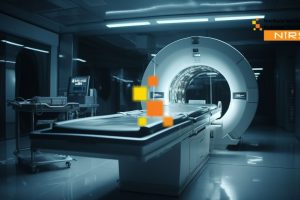
Northern Interventional Radiology Services (NIRS), led by Dr. Atif Nawaz, is equipped with the latest angiography suites in the Islamabad and Hazara regions. Our facility is designed to handle complex vascular cases that require the highest level of technical expertise.
The NIRS Difference:
- Elite Specialized Team: Our radiologists are trained in advanced embolization techniques used in the world’s leading trauma centers.
- Cutting-Edge Technology: We use high-resolution fluoroscopy to ensure that even the smallest “micro-bleeds” are identified and treated.
- Collaboration with Emergency Units: We work closely with hospitals and emergency rooms to provide a seamless transition for patients requiring Life-Saving Interventional Radiology for Bleeding.
Conclusion: Innovation That Saves Lives
The ability to stop internal bleeding without a scalpel is one of the greatest achievements of modern medicine. At NIRS, we are dedicated to bringing this technology to the people of Pakistan, ensuring that life-threatening hemorrhages can be treated with precision, safety, and speed.
If you are a medical professional looking for an intervention partner or a patient seeking the most advanced care available, remember that NIRS stands for excellence in image-guided therapy.
Contact NIRS for Urgent Consultations:
- Phone: +92 316 5212015
- Website: nirs.com.pk
- Email: info@nirs.com.pk
- Locations: Islamabad & Abbottabad