How Minimally Invasive Radiology Reduces Recovery Time | NIRS
Modern medicine is shifting towards minimally invasive procedures, and interventional radiology (IR) is at the forefront of this transformation. At NIRS (Northern Interventional Radiology Services), our advanced IR techniques help patients receive effective treatment with smaller incisions, less pain, and dramatically reduced recovery times.
In this guide, we explain how minimally invasive radiology reduces recovery time, its benefits, and why NIRS is the trusted leader in interventional radiology in Pakistan and AJK.
What Is Minimally Invasive Radiology Reduces Recovery Time?
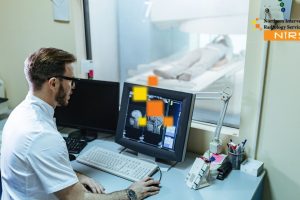
Minimally invasive radiology involves performing procedures using tiny incisions or needles, guided by advanced imaging techniques such as ultrasound, CT, or fluoroscopy.
Unlike traditional surgery, these procedures target the affected area directly, allowing patients to recover faster, experience less pain, and avoid long hospital stays.
Examples of minimally invasive procedures at NIRS include:
- TACE (Transarterial Chemoembolization) for liver tumors
- Uterine Fibroid Embolization (UFE)
- Prostate Artery Embolization (PAE)
- Breast Tumor Marker Clip Placement
- Varicocele and Varicose Vein Treatments
HowMinimally Invasive Radiology Reduces Recovery Time
1. Smaller Incisions and Precise Targeting
Instead of large surgical cuts, IR procedures use tiny punctures or catheters. This reduces tissue trauma and accelerates the healing process.
2. Less Pain and Discomfort
Smaller incisions mean less nerve and tissue damage, resulting in reduced post-procedure pain and minimal need for strong painkillers.
3. Lower Risk of Infection
Fewer and smaller entry points reduce the chances of post-operative infections, allowing faster and safer recovery.
4. Shorter Hospital Stays
Many procedures are performed on an outpatient basis or require only a day or two of observation, compared to traditional surgery that may require weeks of hospitalization.
5. Faster Return to Normal Activities
Patients can often resume daily activities within days, maintaining their quality of life while recovering effectively.
Conditions Benefiting from Minimally Invasive Radiology
Minimally invasive procedures at NIRS benefit patients with:
- Liver tumors or cancers (TACE)
- Uterine fibroids (UFE)
- Enlarged prostate issues (PAE)
- Breast lesions requiring marker clips
- Varicocele or varicose veins
- Peripheral vascular diseases
In all these cases, minimally invasive radiology ensures effective treatment while drastically reducing recovery time.
Advantages ofMinimally Invasive Radiology Reduces Recovery Time at NIRS
🔹 Expert Interventional Radiologists
Our highly trained specialists use image-guided techniques to deliver precise treatment safely.
🔹 Cutting-Edge Imaging Equipment
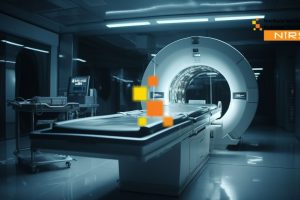
Ultrasound, CT, and fluoroscopy systems ensure accurate targeting and minimal collateral damage.
🔹 Reduced Stress on the Body
Patients experience less blood loss, reduced scarring, and minimal disruption to normal bodily functions.
🔹 Personalized Recovery Plans
NIRS provides individualized post-procedure guidance, ensuring a smooth and faster recovery process.
Safety and Comfort
Minimally invasive procedures at NIRS are designed for maximum safety and comfort:
- Procedures are guided by advanced imaging, reducing risks
- Local anesthesia or mild sedation is used to ensure patient comfort
- Biocompatible materials and small catheters minimize complications
- Follow-up care ensures quick recovery and optimal outcomes
Patient Experience and Recovery Time
Typical recovery after minimally invasive radiology at NIRS:
- Mild soreness or bruising at the entry site
- 1–2 day hospital stay for most procedures
- Return to normal activities within a few days
- Follow-up imaging to monitor treatment success
Compared to traditional surgery, recovery is faster, safer, and more comfortable, allowing patients to continue life without long-term disruption.
Cost and Accessibility
The cost of minimally invasive procedures depends on:
- Procedure type and complexity
- Imaging techniques used
- Duration and number of sessions required
At NIRS, we provide transparent, affordable pricing while maintaining world-class quality and patient safety.
Conclusion
Minimally Invasive Radiology Reduces Recovery Time by combining precision, safety, and patient-focused care. At NIRS (Northern Interventional Radiology Services), patients in Pakistan and AJK benefit from:
- Less invasive procedures
- Minimal pain and scarring
- Faster recovery
- Effective, precise treatment
Book your consultation today to experience advanced interventional radiology that heals faster and keeps you active.