Blogs

Complete Guide From Diagnosis to Recovery Angiography explaining step-by-step imaging procedures, accurate diagnosis, treatment planning, and post-procedure recovery for safe, effective, and patient-focused cardiovascular care.
Blogs

From Diagnosis to Recovery: What Happens During an Angiography Procedure

Complete Guide From Diagnosis to Recovery Angiography Heart disease and vascular conditions are among the leading causes of serious health complications worldwide. Early and accurate diagnosis plays a crucial role in preventing life-threatening emergencies. One of the most important diagnostic and interventional procedures used to evaluate blood vessels is angiography. If you’re wondering From Diagnosis to Recovery: What Happens During an Angiography Procedure, this detailed guide by NIRS (Northern Interventional Radiology Services) will walk you through every step — from preparation to post-procedure care. What Is Angiography? Angiography is a minimally invasive imaging procedure used to visualize blood vessels and detect blockages, narrowing, or abnormalities. It is commonly performed to evaluate: At NIRS, angiography is performed using advanced imaging technology to ensure precision, safety, and comfort. Step 1: Diagnosis and Consultation Before recommending angiography, your doctor may evaluate symptoms such as: Diagnostic tests such as ECG, ultrasound, CT scan, or MRI may indicate possible vessel blockage. If further detailed imaging is required, angiography is advised. At NIRS, patients undergo a thorough consultation to assess medical history, medications, and overall health condition before the procedure. Step 2: Preparation Before the Procedure Proper preparation ensures safety and smooth execution. Patients are usually advised to: The procedure is typically performed under local anesthesia, meaning patients remain awake but comfortable. Step 3: During the Angiography Procedure Understanding what happens during an angiography procedure helps reduce anxiety. 1️⃣ Catheter Insertion A small puncture is made in the wrist or groin area. A thin, flexible tube called a catheter is gently inserted into the artery. 2️⃣ Guided Imaging Using real-time X-ray imaging (fluoroscopy), the interventional radiologist carefully guides the catheter toward the target blood vessels. 3️⃣ Contrast Injection A special contrast dye is injected through the catheter. This dye highlights blood vessels on imaging screens, allowing doctors to clearly see blockages or abnormalities. Patients may feel a warm sensation during dye injection — this is normal and temporary. 4️⃣ Diagnosis and Immediate Treatment (If Needed) If a blockage is found, the doctor may immediately perform angioplasty or stenting to restore blood flow — all within the same session. The entire procedure usually takes 30 to 60 minutes. Step 4: After the Procedure (Recovery Phase) Once the catheter is removed, pressure is applied to prevent bleeding. A bandage is placed on the insertion site. Recovery typically includes: Most patients go home the same day or within 24 hours. What to Expect After Angiography Recovery from angiography is generally quick because it is minimally invasive. Patients are advised to: Most individuals resume normal activities within 48 hours. Benefits of Angiography at NIRS Choosing Northern Interventional Radiology Services (NIRS) ensures: Angiography at NIRS not only provides accurate diagnosis but also allows immediate treatment when required. Why Angiography Is Safer Than Traditional Surgery Compared to open surgical exploration, angiography offers: This makes it a preferred diagnostic and treatment option for vascular conditions. Risks and Safety Measures Like any medical procedure, angiography carries minimal risks such as: At NIRS, strict safety protocols are followed to minimize complications. Patients are carefully screened beforehand to ensure suitability. When Should You Consider Angiography? You may need angiography if: Early detection through angiography can prevent heart attacks, strokes, and severe complications. Final Thoughts Understanding From Diagnosis to Recovery: What Happens During an Angiography Procedure helps patients make informed healthcare decisions. Angiography is a safe, minimally invasive, and highly effective method to diagnose and treat vascular conditions. At NIRS (Northern Interventional Radiology Services), patients receive expert care from consultation to recovery. With advanced equipment and experienced specialists, NIRS ensures accurate diagnosis, timely treatment, and faster healing. If you are experiencing symptoms of blocked arteries or vascular disease, consult NIRS today for professional evaluation and advanced angiography services.
Ultimate Guide Understanding Varicose Veins and Treatments explaining causes, symptoms, risk factors, and advanced minimally invasive treatment options for effective pain relief and improved vascular health.
Blogs

Understanding Varicose Veins: Causes, Symptoms, and Modern Treatments

Ultimate Guide Understanding Varicose Veins and Treatments Varicose veins are more than just a cosmetic concern. They are a medical condition that can cause discomfort, swelling, and long-term complications if left untreated. Many people ignore early symptoms, assuming it is only a beauty issue. However, understanding the real causes and available treatments is essential for protecting your vascular health. In this guide by NIRS (Northern Interventional Radiology Services), we explore Understanding Varicose Veins: Causes, Symptoms, and Modern Treatments so patients can make informed decisions about their care. What Are Varicose Veins? Varicose veins are enlarged, twisted veins that usually appear on the legs and feet. They occur when vein valves become weak or damaged, causing blood to pool instead of flowing efficiently back to the heart. Healthy veins have one-way valves that keep blood moving upward. When these valves fail, pressure builds up, leading to visible swelling and bulging veins. Causes of Varicose Veins Several factors increase the risk of developing varicose veins: 1️⃣ Genetics If family members have varicose veins, your risk is significantly higher. 2️⃣ Prolonged Standing or Sitting Jobs requiring long hours of standing or sitting reduce healthy blood circulation. 3️⃣ Pregnancy Hormonal changes and increased blood volume during pregnancy can weaken vein walls. 4️⃣ Obesity Excess body weight puts added pressure on leg veins. 5️⃣ Aging As we age, vein elasticity decreases, increasing the likelihood of valve dysfunction. At NIRS, specialists assess individual risk factors to recommend personalized treatment plans. Common Symptoms of Varicose Veins Varicose veins may start as mild discomfort but can progress over time. Common symptoms include: If untreated, complications may include skin discoloration, ulcers, or blood clots. Why Early Diagnosis Matters Many people delay treatment until symptoms worsen. Early evaluation helps prevent serious complications. At Northern Interventional Radiology Services (NIRS), diagnosis includes: Ultrasound-guided imaging ensures accurate diagnosis and treatment planning. Modern Treatments for Varicose Veins The good news is that modern medicine offers highly effective, minimally invasive solutions. Surgery is no longer the only option. 🔹 1. Endovenous Laser Treatment (EVLT) This procedure uses laser energy to close off damaged veins. A thin catheter is inserted into the vein, and controlled heat seals it shut. Blood naturally reroutes to healthy veins. Benefits: 🔹 2. Radiofrequency Ablation (RFA) Similar to EVLT, RFA uses radiofrequency energy to treat affected veins. It is safe, precise, and performed under local anesthesia. 🔹 3. Sclerotherapy A special solution is injected into smaller varicose or spider veins, causing them to collapse and fade over time. 🔹 4. Image-Guided Procedures At NIRS, advanced imaging ensures accurate targeting of affected veins, improving outcomes and reducing recurrence rates. Advantages of Modern Treatments Over Surgery Traditional vein stripping surgery requires general anesthesia and longer recovery. Modern interventional radiology techniques offer: Patients often return to daily activities within 24–48 hours. Recovery After Treatment Recovery is typically smooth and fast. Patients are advised to: Most patients notice visible improvement within weeks. Why Choose NIRS for Varicose Veins Treatment? NIRS stands as a trusted center for minimally invasive vascular procedures. What Makes NIRS Different? By choosing NIRS, patients benefit from advanced, evidence-based treatments designed to improve both health and confidence. Preventing Varicose Veins While not all cases are preventable, healthy lifestyle choices reduce risk: Preventive care combined with early treatment ensures long-term vascular health. Final Thoughts Understanding Varicose Veins: Causes, Symptoms, and Modern Treatments empowers patients to seek timely care. Varicose veins are not just cosmetic — they can impact quality of life and overall health. Thanks to advancements in interventional radiology, safe and effective treatments are now widely available. At NIRS (Northern Interventional Radiology Services), patients receive cutting-edge, minimally invasive care with faster recovery and lasting results. If you are experiencing symptoms of varicose veins, consult NIRS today for expert evaluation and modern treatment solutions.

Reasons Why Minimally Invasive Treatments Heal Faster including smaller incisions, reduced tissue damage, lower infection risk, minimal pain, quicker recovery time, and advanced image-guided medical techniques.
Blogs

Why Minimally Invasive Treatments Mean Faster Healing and Less Pain

Powerful Reasons Why Minimally Invasive Treatments Heal Faster | NIRS Modern medicine has transformed dramatically over the last two decades. One of the biggest breakthroughs has been the rise of minimally invasive treatments. Patients today no longer need to fear large surgical cuts, prolonged hospital stays, or extended recovery times for many conditions. At NIRS (Northern Interventional Radiology Services), advanced image-guided procedures are changing how diseases are treated. In this article, we explain Why Minimally Invasive Treatments Mean Faster Healing and Less Pain, and why more patients are choosing these innovative solutions over traditional surgery. What Are Minimally Invasive Treatments? Minimally invasive treatments use small needles, catheters, or tiny incisions instead of large surgical openings. These procedures are guided by advanced imaging technologies such as: Interventional radiologists use real-time imaging to precisely target affected areas without damaging surrounding tissues. At NIRS, these procedures are commonly used for: Why Traditional Surgery Takes Longer to Heal Traditional open surgery often requires: Because the body experiences more trauma, healing naturally takes longer. Pain levels are typically higher due to tissue damage and inflammation. Why Minimally Invasive Treatments Mean Faster Healing and Less Pain Let’s break it down step by step. 1️⃣ Smaller Incisions, Less Tissue Damage Minimally invasive procedures involve tiny punctures instead of large cuts. This significantly reduces trauma to muscles, nerves, and surrounding tissues. Less trauma means: 2️⃣ Reduced Blood Loss Traditional surgery can result in noticeable blood loss. In contrast, image-guided procedures at NIRS use precise catheter-based techniques that minimize bleeding. Lower blood loss reduces complications and speeds up recovery. 3️⃣ Local Anesthesia Instead of General Anesthesia Many minimally invasive procedures are performed under local anesthesia. This avoids: Patients remain comfortable while staying awake, allowing quicker discharge. 4️⃣ Lower Risk of Infection Large surgical wounds increase infection risk. Since minimally invasive treatments use very small entry points, the infection risk is significantly lower. This means fewer antibiotics, fewer complications, and safer recovery. 5️⃣ Shorter Hospital Stay Many procedures at Northern Interventional Radiology Services (NIRS) are performed as day-care treatments. Patients often: This is one of the biggest reasons why minimally invasive care is becoming the preferred option worldwide. Real-Life Examples of Faster Recovery 🔹 Uterine Fibroid Embolization Instead of undergoing major surgery (hysterectomy), women can choose embolization with minimal downtime and faster recovery. 🔹 TACE Treatment for Liver Cancer Rather than open surgery, TACE delivers chemotherapy directly to tumors via a catheter, minimizing systemic side effects. 🔹 Varicose Veins Treatment Laser or radiofrequency ablation treats veins without surgical stripping, allowing patients to walk immediately after the procedure. Less Pain Means Better Quality of Life Pain management is a major concern for patients. Because minimally invasive procedures reduce tissue injury, patients experience: Lower pain levels also reduce stress and anxiety associated with medical treatment. Psychological Benefits of Minimally Invasive Care Healing is not just physical—it is mental as well. Patients undergoing minimally invasive treatments report: Knowing that the procedure is safe and precise improves overall patient satisfaction. Why Choose NIRS for Minimally Invasive Treatments? When considering advanced care, expertise and technology matter. NIRS (Northern Interventional Radiology Services) offers: Every procedure is carefully planned and guided using real-time imaging to ensure accuracy and safety. The Future of Medicine Is Minimally Invasive Globally, healthcare is shifting toward: Minimally invasive interventional radiology represents the future of medical treatment. From vascular diseases to cancer care, these procedures are replacing traditional surgery in many cases. At NIRS, patients receive cutting-edge treatments aligned with international medical standards. Final Thoughts Understanding Why Minimally Invasive Treatments Mean Faster Healing and Less Pain helps patients make informed healthcare decisions. Smaller incisions, reduced trauma, lower infection risk, and quicker recovery make these procedures safer and more efficient. If you or a loved one needs advanced medical care, consult NIRS (Northern Interventional Radiology Services) to explore modern, minimally invasive solutions designed for faster healing and improved quality of life.

How Ultrasound-Guided Biopsies Improve Accuracy and Patient Safety | NIRS ensuring precise tissue sampling, real-time imaging guidance, minimally invasive procedures, and enhanced diagnostic reliability with expert radiologists.
Blogs

How Ultrasound-Guided Biopsies Improve Accuracy and Patient Safety

How Ultrasound-Guided Biopsies Improve Accuracy and Patient Safety | NIRS Medical diagnosis has evolved significantly over the past decade, and one of the most powerful advancements is the use of image-guided procedures. Among them, ultrasound-guided biopsy stands out as a highly accurate, minimally invasive, and patient-friendly diagnostic technique. At NIRS (Northern Interventional Radiology Services), ultrasound-guided biopsies are performed using advanced imaging technology to ensure maximum precision and safety. If you are searching for reliable information about How Ultrasound-Guided Biopsies Improve Accuracy and Patient Safety, this comprehensive guide explains why this modern diagnostic approach is transforming healthcare in Pakistan. What Is an Ultrasound-Guided Biopsy? A biopsy is a medical procedure where a small tissue sample is removed from the body for laboratory analysis. Traditionally, biopsies were performed either blindly or through surgical incisions, which increased risks and recovery time. An ultrasound-guided biopsy, however, uses real-time ultrasound imaging to guide the needle directly to the targeted tissue. This ensures: At NIRS, this technique is commonly used to evaluate abnormalities in organs such as the liver, thyroid, breast, lymph nodes, kidneys, and soft tissues. How Ultrasound-Guided Biopsies Improve Accuracy and Patient Safety 1. Real-Time Imaging for Precise Targeting The biggest advantage of ultrasound guidance is real-time visualization. The interventional radiologist can clearly see: This allows exact needle placement into the suspicious area, significantly increasing diagnostic accuracy. Unlike blind biopsies, ultrasound eliminates guesswork. 2. Minimally Invasive Approach Understanding how ultrasound-guided biopsies improve accuracy and patient safety begins with recognizing their minimally invasive nature. Only a small needle puncture is required — no large incisions or stitches. This results in: Most procedures at Northern Interventional Radiology Services are completed within 20–40 minutes. 3. Lower Risk of Complications Because ultrasound shows blood vessels in real time, doctors can avoid puncturing major arteries or veins. This dramatically reduces risks such as: Safety is a top priority at NIRS, and ultrasound guidance plays a crucial role in ensuring optimal patient outcomes. 4. Faster Recovery and Same-Day Discharge Unlike surgical biopsies that may require hospital admission, ultrasound-guided biopsies are usually performed as outpatient procedures. Patients typically: This convenience makes the procedure highly patient-friendly. 5. Higher Diagnostic Yield Accurate diagnosis is the foundation of effective treatment. Because the needle is precisely guided into the abnormal tissue, the sample quality is superior. This reduces the chances of: At NIRS, high diagnostic accuracy ensures timely management plans for conditions such as cancer, infections, or inflammatory diseases. Conditions Commonly Diagnosed with Ultrasound-Guided Biopsy At Northern Interventional Radiology Services, ultrasound-guided biopsies are frequently used for: Liver Lesions Detecting liver cancer, metastasis, or chronic liver disease. Thyroid Nodules Determining whether a thyroid lump is benign or malignant. Breast Abnormalities Evaluating suspicious masses found on mammography or ultrasound. Enlarged Lymph Nodes Identifying infections, lymphoma, or metastatic disease. Soft Tissue Masses Assessing unexplained lumps in muscles or subcutaneous tissues. Why Choose NIRS for Ultrasound-Guided Biopsy? NIRS is recognized for delivering advanced interventional radiology services in Pakistan. Patients choose NIRS because of: By combining technology with expertise, NIRS ensures that patients receive safe, reliable, and efficient diagnostic solutions. The Role of Interventional Radiology in Modern Healthcare Ultrasound-guided biopsy is part of a broader field known as Interventional Radiology. This specialty focuses on treating and diagnosing diseases using image-guided, minimally invasive techniques. Other advanced procedures at NIRS include: These services highlight how image-guided techniques are reshaping healthcare in Pakistan. Emotional Comfort and Reduced Anxiety Many patients fear biopsy procedures due to concerns about pain or complications. However, understanding how ultrasound-guided biopsies improve accuracy and patient safety helps ease these fears. Because the procedure is: Patients feel reassured knowing their safety is prioritized. The Future of Diagnostic Excellence As healthcare technology continues to advance, ultrasound-guided biopsy remains a gold standard diagnostic tool. It represents a shift toward precision medicine — where accuracy, safety, and patient comfort are equally important. At Northern Interventional Radiology Services (NIRS), this commitment to excellence ensures that patients receive world-class diagnostic care without unnecessary surgical risks.

PICC Line Insertion When It’s Needed and Improves Care providing safe, long-term intravenous access for medications, chemotherapy, and nutrition with expert placement and patient-focused medical support.
Blogs

PICC Line Insertion: When It’s Needed and How It Improves Patient Care

PICC Line Insertion When It’s Needed and Improves Care Modern medicine depends on safe, reliable, and long-term intravenous access for many treatments. From chemotherapy and long-term antibiotics to critical care medications, patients often require repeated IV access. This is where PICC Line Insertion: When It’s Needed and How It Improves Patient Care becomes an essential topic in advanced healthcare. At NIRS (Northern Interventional Radiology Services), PICC line insertion is performed using image-guided precision to ensure maximum safety, comfort, and efficiency. Understanding when a PICC line is required and how it enhances patient outcomes can help patients and families make informed decisions about their treatment. What Is a PICC Line? A Peripherally Inserted Central Catheter (PICC) is a long, thin, flexible tube inserted into a vein in the upper arm. It is then carefully guided through the vein until the tip reaches a large central vein near the heart. Unlike regular IV lines that must be changed frequently, a PICC line can remain in place for weeks or even months. This makes it ideal for patients who require long-term therapy. At NIRS, PICC line insertion is performed under ultrasound and imaging guidance to ensure accurate placement and reduce complications. PICC Line Insertion: When It’s Needed and How It Improves Patient Care Understanding PICC Line Insertion: When It’s Needed and How It Improves Patient Care begins with recognizing the medical situations where it becomes necessary. 1. Long-Term Antibiotic Therapy Patients with serious infections such as bone infections (osteomyelitis) or bloodstream infections often require intravenous antibiotics for several weeks. A PICC line allows: 2. Chemotherapy for Cancer Patients Cancer treatment frequently requires strong medications that can irritate smaller veins. A PICC line provides safe delivery directly into a large vein, minimizing vein damage and discomfort. At Northern Interventional Radiology Services, PICC lines are commonly placed for oncology patients to ensure smooth treatment cycles. 3. Total Parenteral Nutrition (TPN) Patients who cannot eat or absorb nutrients properly may need intravenous nutrition. A PICC line ensures safe and long-term nutritional support. 4. Frequent Blood Sampling For patients requiring repeated blood tests, a PICC line eliminates the stress and pain of multiple needle insertions. How PICC Line Insertion Improves Patient Care Minimizes Repeated Needle Sticks One of the greatest advantages is reducing repeated IV insertions. This significantly improves patient comfort, especially for: Improves Medication Safety Certain medications can damage smaller peripheral veins. A PICC line delivers medication into a central vein where blood flow quickly dilutes it, reducing irritation and complications. Enhances Treatment Efficiency Because the line remains in place long-term, healthcare providers can administer medication quickly and efficiently without delays. Supports Outpatient Treatment Many patients can continue therapy at home instead of staying hospitalized. This reduces: At NIRS, patients are educated on proper PICC care to ensure safe home management. The Role of Image Guidance in Safe PICC Line Placement At Northern Interventional Radiology Services (NIRS), PICC Line Insertion is performed using ultrasound guidance and imaging confirmation. This advanced approach ensures: Image guidance significantly improves procedural success rates and patient safety. What to Expect During the Procedure Understanding PICC Line Insertion: When It’s Needed and How It Improves Patient Care also involves knowing what happens during the procedure. Step 1: Preparation The arm is cleaned and sterilized. Local anesthesia is applied to numb the area. Step 2: Ultrasound-Guided Insertion Using real-time ultrasound, the radiologist inserts the catheter into the selected vein. Step 3: Position Confirmation Imaging ensures the catheter tip is correctly positioned in the central vein. Step 4: Dressing and Instructions The site is dressed, and patients receive care instructions. The procedure typically takes 30–45 minutes and is minimally painful. Safety and Possible Risks When performed by experienced specialists at NIRS, PICC Line Insertion is very safe. However, as with any medical procedure, there are minor risks such as: These risks are significantly minimized through sterile techniques and expert placement. Why Choose NIRS for PICC Line Insertion? NIRS stands out for delivering high-quality interventional radiology services in Pakistan. Patients choose NIRS because of: In addition to PICC line insertion, NIRS offers: This comprehensive expertise ensures integrated care under one roof. Emotional and Psychological Benefits Repeated hospital visits and needle insertions can cause anxiety and stress. A PICC line improves overall patient experience by providing: Understanding PICC Line Insertion: When It’s Needed and How It Improves Patient Care highlights its transformative impact on modern healthcare. The Future of Long-Term IV Access As medicine continues to advance toward minimally invasive, patient-focused care, PICC lines remain a cornerstone of long-term intravenous therapy. With image-guided precision and expert management at Northern Interventional Radiology Services, patients receive safe, efficient, and compassionate care. If you or your loved one requires long-term IV therapy, consult NIRS for professional and reliable PICC line insertion services.

Revolutionary Interventional Radiology for Cancer Care A New Hope for Patients | NIRS providing advanced, minimally invasive cancer treatments with precision imaging, expert specialists, and personalized care for better outcomes.
Blogs

Interventional Radiology for Cancer Care: A New Hope for Patients

Revolutionary Interventional Radiology for Cancer Care A New Hope for Patients | NIRS Cancer treatment has evolved significantly over the last decade. Today, patients are no longer limited to traditional surgery, chemotherapy, and radiation alone. One of the most revolutionary advancements in modern medicine is Interventional Radiology for Cancer Care: A New Hope for Patients. This minimally invasive approach is transforming oncology by offering targeted, precise, and safer treatment options. At NIRS (Northern Interventional Radiology Services), patients receive advanced image-guided cancer treatments designed to improve outcomes, reduce pain, and accelerate recovery. What Is Interventional Radiology in Cancer Care? Interventional Radiology (IR) uses real-time imaging techniques such as ultrasound, CT scans, and fluoroscopy to guide tiny instruments through small incisions. Instead of large surgical cuts, doctors treat tumors through needle-sized openings. Interventional Radiology for Cancer Care A New Hope for Patients means: This approach allows doctors to attack cancer cells directly while preserving healthy tissues. How Interventional Radiology Treats Cancer At NIRS, several advanced cancer treatments are performed using interventional radiology techniques. 1. TACE (Transarterial Chemoembolization) TACE is commonly used for liver cancer. A catheter is inserted into the artery supplying the tumor. Chemotherapy drugs are delivered directly to the cancer while blocking its blood supply. This targeted method increases treatment effectiveness and reduces side effects compared to systemic chemotherapy. 2. Tumor Ablation Tumor ablation destroys cancer cells using: A needle-like probe is guided precisely into the tumor, eliminating cancer cells without major surgery. 3. Image-Guided Biopsies Before treatment begins, accurate diagnosis is critical. Ultrasound or CT-guided biopsies ensure precise sampling of suspicious tissue, improving diagnostic accuracy. 4. Palliative Procedures Interventional radiology also helps relieve cancer-related pain and complications, such as blocked bile ducts or fluid accumulation. Why Interventional Radiology for Cancer Care Is a New Hope Traditional cancer surgery can be physically demanding, especially for elderly or high-risk patients. Many patients are not ideal surgical candidates due to other health conditions. This is where Interventional Radiology for Cancer Care: A New Hope for Patients becomes life-changing. Key Benefits: ✔ Minimally invasive✔ Less blood loss✔ Lower infection risk✔ Shorter hospital stay✔ Quicker return to normal activities Patients often go home the same day or within 24 hours. Precision Through Advanced Imaging At Northern Interventional Radiology Services (NIRS), advanced imaging technology ensures extreme precision. Real-time imaging allows radiologists to: This precision significantly improves treatment success rates. Suitable Cancer Types for Interventional Radiology Interventional radiology plays a critical role in managing: Each treatment plan is customized according to the patient’s condition and cancer stage. Reduced Side Effects Compared to Traditional Therapy Systemic chemotherapy travels throughout the body, often causing hair loss, nausea, and immune suppression. In contrast, interventional radiology targets the tumor directly. This focused approach reduces damage to healthy tissues and lowers systemic side effects. Patients experience: The Role of NIRS in Cancer Care Northern Interventional Radiology Services is committed to providing cutting-edge, minimally invasive solutions for cancer management in Pakistan. Why patients trust NIRS: NIRS combines expertise with compassion, ensuring that patients feel supported throughout their cancer journey. Faster Recovery, Better Outcomes Recovery after traditional surgery may take weeks. However, interventional radiology procedures often allow patients to resume normal activities within days. Because the procedures are less traumatic, the body heals faster. This means patients can continue additional cancer treatments without unnecessary delays. A Multidisciplinary Approach At NIRS, interventional radiology works alongside oncologists, surgeons, and other specialists to create comprehensive cancer treatment strategies. This teamwork ensures: Cancer treatment today is about precision medicine — and interventional radiology plays a leading role. Future of Cancer Treatment in Pakistan The future of oncology lies in minimally invasive, image-guided therapies. As awareness grows, more patients are choosing interventional radiology for its safety and effectiveness. Interventional Radiology for Cancer Care: A New Hope for Patients represents a shift toward smarter, safer, and more advanced cancer management. Northern Interventional Radiology Services continues to lead this transformation by offering innovative solutions tailored to patient needs. Conclusion Cancer care is no longer limited to aggressive surgeries and generalized treatments. With advanced image-guided procedures, patients now have access to precise and minimally invasive options. Interventional Radiology for Cancer Care: A New Hope for Patients is changing lives by offering safer treatments, faster recovery, and improved outcomes. At NIRS (Northern Interventional Radiology Services), patients receive expert care backed by technology, precision, and compassion. If you or a loved one is exploring cancer treatment options, interventional radiology may be the advanced solution you’ve been searching for.

Early Signs You Should See an Interventional Radiologist including persistent pain, unexplained swelling, abnormal bleeding, vascular issues, or chronic conditions requiring minimally invasive, image-guided medical evaluation and treatment.
Blogs

Early Signs You Should See an Interventional Radiologist

Early Signs You Should See an Interventional Radiologist In modern medicine, early detection and timely intervention are key to achieving the best health outcomes. Interventional radiology is a rapidly growing field that offers minimally invasive, image-guided procedures to diagnose and treat a variety of conditions. Recognizing Early Signs You Should See an Interventional Radiologist can help patients receive prompt care, reduce complications, and improve recovery. At NIRS (Northern Interventional Radiology Services), we provide advanced interventional radiology solutions that are safe, precise, and tailored to patient needs. What Is Interventional Radiology? Interventional radiology (IR) is a medical specialty that uses imaging guidance — including ultrasound, CT scans, and fluoroscopy — to perform minimally invasive diagnostic and therapeutic procedures. Unlike traditional surgery, IR procedures require only small incisions or needle punctures, reducing risk, pain, and recovery time. At NIRS, interventional radiologists offer services ranging from angiography and PICC line insertion to TACE treatment for liver cancer, uterine fibroid embolization, and varicose veins treatment. Why Early Intervention Matters Patients often wait until symptoms worsen before seeking care. However, identifying early signs you should see an interventional radiologist can dramatically improve outcomes. Early intervention allows for: Early Signs You Should See an Interventional Radiologist Here are the most common early indicators that you may benefit from a consultation with an interventional radiologist: 1. Persistent or Unexplained Pain Chronic pain in the abdomen, chest, or limbs that doesn’t respond to standard treatments may indicate underlying vascular, organ, or musculoskeletal problems. Interventional radiologists can perform image-guided procedures to pinpoint and treat the cause effectively. 2. Abnormal Imaging Results If your doctor notices unusual findings on ultrasound, CT scans, or MRI — such as liver lesions, kidney abnormalities, or vascular malformations — early consultation with an interventional radiologist is crucial for precise diagnosis and treatment planning. 3. Swelling or Varicose Veins Prominent veins, leg swelling, or chronic discomfort in the lower limbs may indicate circulatory issues. Minimally invasive treatments like varicose vein ablation are best performed early to prevent complications such as ulcers or blood clots. 4. Uncontrolled Bleeding or Bruising Unexpected bleeding, bruising, or hematomas may suggest vascular problems or clotting disorders. Interventional radiology offers angiography and embolization techniques to identify and manage the source quickly and safely. 5. Need for Long-Term IV Access Patients requiring chemotherapy, antibiotics, or nutritional support may benefit from PICC line insertion. Early evaluation ensures safe placement and reduces complications associated with repeated IV insertions. 6. Liver or Kidney Conditions Patients with liver cancer, kidney tumors, or bile duct obstruction can benefit from targeted TACE treatment or image-guided interventions. Early detection improves treatment success and minimizes damage to healthy tissues. 7. Gynecological Concerns Women experiencing heavy menstrual bleeding, fibroids, or pelvic pain may be candidates for uterine fibroid embolization. Consulting an interventional radiologist early can prevent unnecessary surgery and preserve fertility. 8. Difficulty in Recovery After Surgery Persistent complications after surgery — such as fluid accumulation or vascular issues — may be effectively managed with minimally invasive, image-guided procedures rather than repeat surgery. Benefits of Early Interventional Radiology Consultation By acting promptly when you notice these signs, patients experience multiple benefits: At NIRS, every procedure is designed to maximize safety and treatment effectiveness. Why Choose NIRS for Interventional Radiology? Northern Interventional Radiology Services (NIRS) is a leading provider of image-guided, minimally invasive treatments in Pakistan. Our services include: Patients trust NIRS for: Patient Stories and Experiences Many patients at NIRS have avoided major surgeries thanks to early interventional radiology intervention. From reducing chronic pain to improving circulation and treating tumors, early action leads to faster recovery, better outcomes, and improved quality of life. Conclusion Recognizing Early Signs You Should See an Interventional Radiologist is vital for timely, effective treatment. Whether you are dealing with vascular issues, organ lesions, fibroids, or the need for long-term IV access, early consultation can save time, reduce complications, and enhance recovery. At NIRS (Northern Interventional Radiology Services), we combine cutting-edge imaging technology with expert care to deliver life-changing interventional radiology services. If you notice any of the signs mentioned above, don’t wait — early intervention may be the key to better health.

Life After Uterine Fibroid Treatment Recovery and Results highlighting faster healing, reduced symptoms, restored energy, improved comfort, and enhanced quality of life through advanced, minimally invasive medical care.
Blogs

Life After Uterine Fibroid Treatment: Recovery, Results, and Expectations

Life After Uterine Fibroid Treatment Recovery and Results Uterine fibroids affect millions of women worldwide, causing pain, heavy bleeding, and fertility challenges. With advanced interventional radiology techniques, Life After Uterine Fibroid Treatment: Recovery, Results, and Expectations has dramatically improved. At NIRS (Northern Interventional Radiology Services), we offer minimally invasive uterine fibroid embolization (UFE) that ensures faster recovery, fewer complications, and excellent treatment outcomes. Understanding what to expect after uterine fibroid treatment empowers patients to make informed decisions and plan for a smooth recovery. What Is Life After Uterine Fibroid Treatment? Uterine fibroid treatment, especially uterine fibroid embolization (UFE), is a minimally invasive procedure performed by interventional radiologists. Using image-guided technology, tiny particles are injected into the arteries supplying the fibroids, cutting off their blood supply and causing them to shrink. Compared to traditional surgery, this approach avoids large incisions, reduces hospital stay, and preserves the uterus, making it ideal for women who wish to maintain fertility. What to Expect Immediately After Treatment 1. Recovery in the First 24–48 Hours After UFE at NIRS: During this time, rest is essential, and light activity is encouraged to aid circulation and recovery. 2. Managing Side Effects Common, temporary side effects include: These are normal and usually resolve within a few days. NIRS provides personalized guidance to manage symptoms effectively. Recovery Timeline Week 1–2 Week 3–4 Month 2–3 Expected Results The benefits of uterine fibroid treatment through interventional radiology are substantial: At NIRS, our experienced interventional radiologists ensure precise, image-guided procedures that maximize these positive outcomes. Long-Term Expectations Symptom Relief Most patients experience lasting symptom relief within 3–6 months post-treatment. Continued monitoring helps detect any regrowth early, ensuring timely intervention if necessary. Fertility Considerations UFE preserves the uterus, making future pregnancies possible. Women planning pregnancy are advised to consult their interventional radiologist for individualized guidance. Lifestyle and Health After uterine fibroid treatment: Why Choose NIRS for Uterine Fibroid Treatment? Northern Interventional Radiology Services (NIRS) is a leading provider of minimally invasive gynecological treatments in Pakistan. Patients choose NIRS for: Our focus is on delivering life-changing results while minimizing discomfort and downtime. Tips for a Smooth Recovery By following these recommendations, women can optimize recovery and enjoy lasting symptom relief. Conclusion Life After Uterine Fibroid Treatment: Recovery, Results, and Expectations is significantly improved with minimally invasive uterine fibroid embolization at NIRS. Women experience faster recovery, minimal complications, and lasting relief from fibroid-related symptoms. At Northern Interventional Radiology Services, we combine advanced imaging technology with expert interventional radiologists to deliver personalized care that transforms lives. If you are experiencing fibroid symptoms or exploring treatment options, consulting an interventional radiologist early can provide the best outcomes and improve your quality of life.

How Advanced Imaging Helps Doctors | NIRS providing accurate diagnosis and precise treatment planning through cutting-edge imaging technology, expert radiologists, and patient-focused care for improved medical outcomes.
Blogs

How Advanced Imaging Helps Doctors Make Better Treatment Decisions

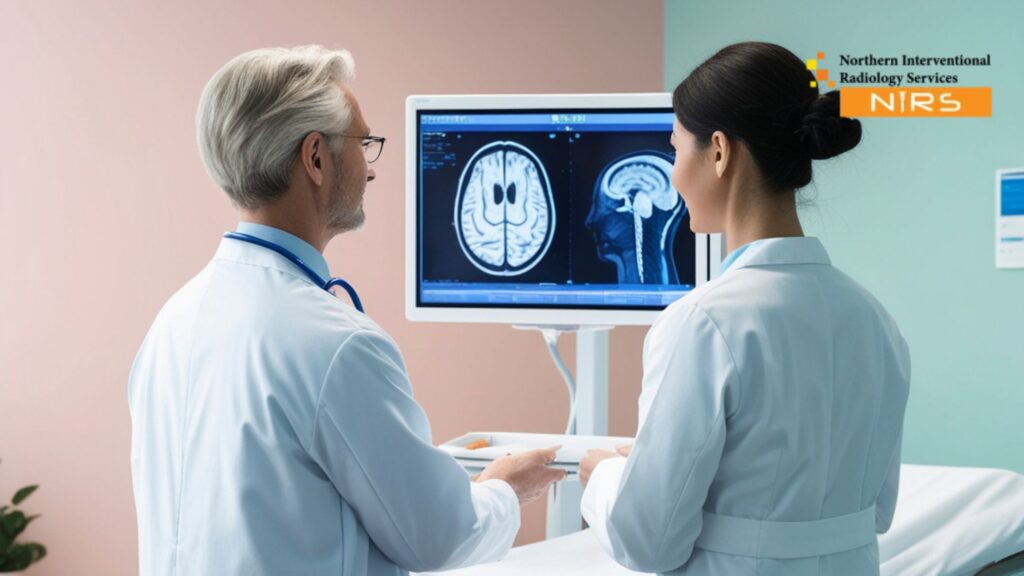
How Advanced Imaging Helps Doctors | NIRS In today’s medical landscape, precision and timely intervention are crucial for effective patient care. Advanced imaging has revolutionized modern medicine by providing detailed, real-time insights into the human body. Understanding How Advanced Imaging Helps Doctors Make Better Treatment Decisions is key to recognizing the value of image-guided procedures offered by experts at NIRS (Northern Interventional Radiology Services). At NIRS, we combine state-of-the-art imaging technologies with skilled interventional radiologists to provide minimally invasive treatments for a wide range of conditions, including cancer, vascular disorders, fibroids, and more. What Is Advanced Imaging? Advanced imaging refers to sophisticated diagnostic techniques that allow physicians to visualize internal organs, blood vessels, tissues, and tumors with exceptional clarity. Some commonly used imaging modalities at NIRS include: By leveraging these technologies, doctors can plan, execute, and monitor treatments with unparalleled accuracy. Why Advanced Imaging Is Critical for Better Treatment Decisions 1. Accurate Diagnosis A clear and precise diagnosis is the foundation of effective treatment. Advanced imaging allows doctors to: For instance, image-guided biopsies provide tissue samples from precise locations, ensuring accurate results and proper treatment planning. 2. Minimally Invasive Treatment Planning Modern interventional radiology relies heavily on imaging to perform minimally invasive procedures. How Advanced Imaging Helps Doctors Make Better Treatment Decisions includes: This approach improves patient outcomes and significantly reduces recovery times compared to traditional surgery. 3. Monitoring Treatment Progress Advanced imaging allows doctors to track the effectiveness of treatment in real-time. For example: Continuous monitoring enables timely adjustments to therapy, enhancing effectiveness and safety. 4. Reducing Complications and Risks By providing precise visualization, advanced imaging helps doctors anticipate and prevent complications. It allows for: At NIRS, our interventional radiologists combine their expertise with cutting-edge imaging to maximize patient safety. 5. Personalized Patient Care Each patient’s anatomy and condition are unique. Advanced imaging provides detailed information that supports individualized treatment plans. Doctors can: This level of personalization is a major reason patients trust NIRS for advanced interventional radiology services. Real-Life Applications at NIRS At Northern Interventional Radiology Services, advanced imaging plays a central role in procedures such as: These procedures demonstrate how advanced imaging not only improves diagnosis but also transforms treatment strategies. Advantages for Patients Patients benefit immensely when doctors use advanced imaging for treatment decisions: By integrating technology with expert care, NIRS ensures that every patient receives a treatment plan tailored to their condition. Conclusion How Advanced Imaging Helps Doctors Make Better Treatment Decisions is clear: it enhances diagnostic accuracy, guides minimally invasive procedures, reduces complications, and personalizes patient care. At NIRS (Northern Interventional Radiology Services), we leverage the latest imaging technologies to provide safer, more precise, and highly effective treatments. Whether you require angiography, PICC line insertion, TACE treatment, uterine fibroid embolization, or varicose veins therapy, advanced imaging ensures optimal outcomes. Early consultation with an interventional radiologist at NIRS can make a significant difference in diagnosis, treatment, and recovery, giving patients confidence and hope for better health.

Future of Non-Surgical Care | NIRS delivering advanced, minimally invasive treatments with expert interventional radiologists, modern imaging technology, and patient-centered solutions for faster recovery and effective outcomes.
Blogs

Why Interventional Radiology Is the Future of Non-Surgical Treatment

Interventional Radiology Future of Non-Surgical Care | NIRS In the ever-evolving world of medicine, patients and doctors are seeking safe, effective, and minimally invasive alternatives to traditional surgery. Interventional Radiology (IR) is at the forefront of this transformation. Understanding Why Interventional Radiology Is the Future of Non-Surgical care highlights the remarkable advancements in patient care, especially at NIRS (Northern Interventional Radiology Services). By combining cutting-edge imaging technology with expert procedural skills, NIRS provides solutions for conditions ranging from vascular disorders and cancer to uterine fibroids and varicose veins—all without the need for invasive surgery. What Is Interventional Radiology? Interventional Radiology is a medical specialty where doctors use image-guided techniques to diagnose and treat a variety of conditions. Unlike traditional surgery, IR procedures are minimally invasive, typically involving: At NIRS, patients experience the benefits of advanced image-guided therapies, including improved outcomes, less pain, and faster return to normal life. Why Interventional Radiology Is Gaining Popularity 1. Minimally Invasive Procedures Unlike open surgery, IR techniques require minimal incisions. This approach: Patients seeking less disruptive alternatives often choose interventional radiology over traditional surgical methods. 2. Precision Through Advanced Imaging How Interventional Radiology Is the Future of Non-Surgical care relies on precise, real-time imaging. Doctors use imaging to: Technologies such as CT, MRI, fluoroscopy, and ultrasound make this precision possible, ensuring every treatment is tailored to the patient’s anatomy and condition. 3. Broad Range of Applications Interventional Radiology can address a variety of medical challenges, including: This versatility demonstrates why IR is revolutionizing modern medicine. 4. Faster Recovery and Less Pain Traditional surgery often requires weeks of recovery and carries the risk of significant pain. IR procedures allow: Patients at NIRS benefit from personalized care plans that focus on comfort, safety, and efficiency throughout the recovery process. 5. Safer Option for High-Risk Patients Many patients with chronic conditions, advanced age, or comorbidities may not be ideal candidates for surgery. Interventional Radiology provides a safer alternative by: This makes IR the future of non-surgical treatment for diverse patient populations. Real-World Success at NIRS Northern Interventional Radiology Services has transformed patient care by implementing minimally invasive, image-guided therapies. Some of the key procedures include: Patients at NIRS report faster recovery, reduced pain, and improved quality of life compared to conventional surgical methods. The Future of Medicine & Future of Non-Surgical Care As technology continues to evolve, the role of interventional radiology in healthcare will expand. Key trends include: With these advancements, IR is poised to replace many traditional surgical procedures, making treatment safer, faster, and more precise. Conclusion Why Interventional Radiology Is the Future of Non-Surgical Treatment is evident through its precision, versatility, and patient-centered approach. At NIRS (Northern Interventional Radiology Services), advanced imaging, minimally invasive techniques, and expert care converge to provide life-changing outcomes. Patients seeking safe, effective, and minimally invasive solutions—from cancer care to vascular procedures—can rely on NIRS for superior treatment and faster recovery. By embracing interventional radiology, modern medicine is redefining what’s possible in patient care.