Powerful Reasons Why Minimally Invasive Treatments Heal Faster | NIRS
Modern medicine has transformed dramatically over the last two decades. One of the biggest breakthroughs has been the rise of minimally invasive treatments. Patients today no longer need to fear large surgical cuts, prolonged hospital stays, or extended recovery times for many conditions.
At NIRS (Northern Interventional Radiology Services), advanced image-guided procedures are changing how diseases are treated. In this article, we explain Why Minimally Invasive Treatments Mean Faster Healing and Less Pain, and why more patients are choosing these innovative solutions over traditional surgery.
What Are Minimally Invasive Treatments?
Minimally invasive treatments use small needles, catheters, or tiny incisions instead of large surgical openings. These procedures are guided by advanced imaging technologies such as:
- Ultrasound
- CT Scan
- Fluoroscopy
- Digital angiography
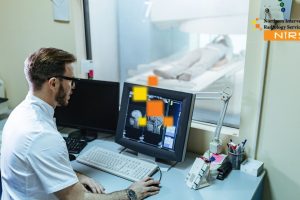
Interventional radiologists use real-time imaging to precisely target affected areas without damaging surrounding tissues.
At NIRS, these procedures are commonly used for:
- TACE treatment for liver cancer
- Uterine fibroid embolization
- Varicose veins treatment
- Angiography and angioplasty
- PICC line insertion
- Image-guided biopsies
Why Traditional Surgery Takes Longer to Heal
Traditional open surgery often requires:
- Large incisions
- General anesthesia
- Muscle cutting or tissue disruption
- Longer hospital stays
- Higher risk of infection
Because the body experiences more trauma, healing naturally takes longer. Pain levels are typically higher due to tissue damage and inflammation.
Why Minimally Invasive Treatments Mean Faster Healing and Less Pain
Let’s break it down step by step.
1️⃣ Smaller Incisions, Less Tissue Damage
Minimally invasive procedures involve tiny punctures instead of large cuts. This significantly reduces trauma to muscles, nerves, and surrounding tissues.
Less trauma means:
- Reduced swelling
- Lower pain levels
- Faster wound healing
2️⃣ Reduced Blood Loss
Traditional surgery can result in noticeable blood loss. In contrast, image-guided procedures at NIRS use precise catheter-based techniques that minimize bleeding.
Lower blood loss reduces complications and speeds up recovery.
3️⃣ Local Anesthesia Instead of General Anesthesia
Many minimally invasive procedures are performed under local anesthesia. This avoids:
- Nausea
- Drowsiness
- Extended recovery time
- Breathing complications
Patients remain comfortable while staying awake, allowing quicker discharge.
4️⃣ Lower Risk of Infection
Large surgical wounds increase infection risk. Since minimally invasive treatments use very small entry points, the infection risk is significantly lower.
This means fewer antibiotics, fewer complications, and safer recovery.
5️⃣ Shorter Hospital Stay
Many procedures at Northern Interventional Radiology Services (NIRS) are performed as day-care treatments.
Patients often:
- Go home the same day
- Resume normal activities within 24–48 hours
- Return to work much sooner
This is one of the biggest reasons why minimally invasive care is becoming the preferred option worldwide.
Real-Life Examples of Faster Recovery
🔹 Uterine Fibroid Embolization
Instead of undergoing major surgery (hysterectomy), women can choose embolization with minimal downtime and faster recovery.
🔹 TACE Treatment for Liver Cancer
Rather than open surgery, TACE delivers chemotherapy directly to tumors via a catheter, minimizing systemic side effects.
🔹 Varicose Veins Treatment
Laser or radiofrequency ablation treats veins without surgical stripping, allowing patients to walk immediately after the procedure.
Less Pain Means Better Quality of Life
Pain management is a major concern for patients. Because minimally invasive procedures reduce tissue injury, patients experience:
- Mild discomfort instead of severe pain
- Reduced need for strong painkillers
- Faster return to daily routines
Lower pain levels also reduce stress and anxiety associated with medical treatment.
Psychological Benefits of Minimally Invasive Care
Healing is not just physical—it is mental as well.
Patients undergoing minimally invasive treatments report:
- Reduced fear of surgery
- Lower stress levels
- Greater confidence in treatment
- Faster emotional recovery
Knowing that the procedure is safe and precise improves overall patient satisfaction.
Why Choose NIRS for Minimally Invasive Treatments?
When considering advanced care, expertise and technology matter.
NIRS (Northern Interventional Radiology Services) offers:
- Highly trained interventional radiologists
- Advanced imaging equipment
- Patient-centered treatment plans
- Strict safety protocols
- Modern sterile environment
Every procedure is carefully planned and guided using real-time imaging to ensure accuracy and safety.
The Future of Medicine Is Minimally Invasive
Globally, healthcare is shifting toward:
- Precision medicine
- Faster recovery
- Reduced complications
- Improved patient comfort
Minimally invasive interventional radiology represents the future of medical treatment. From vascular diseases to cancer care, these procedures are replacing traditional surgery in many cases.
At NIRS, patients receive cutting-edge treatments aligned with international medical standards.
Final Thoughts
Understanding Why Minimally Invasive Treatments Mean Faster Healing and Less Pain helps patients make informed healthcare decisions. Smaller incisions, reduced trauma, lower infection risk, and quicker recovery make these procedures safer and more efficient.
If you or a loved one needs advanced medical care, consult NIRS (Northern Interventional Radiology Services) to explore modern, minimally invasive solutions designed for faster healing and improved quality of life.