Early Signs You Should See an Interventional Radiologist
In modern medicine, early detection and timely intervention are key to achieving the best health outcomes. Interventional radiology is a rapidly growing field that offers minimally invasive, image-guided procedures to diagnose and treat a variety of conditions. Recognizing Early Signs You Should See an Interventional Radiologist can help patients receive prompt care, reduce complications, and improve recovery.
At NIRS (Northern Interventional Radiology Services), we provide advanced interventional radiology solutions that are safe, precise, and tailored to patient needs.
What Is Interventional Radiology?
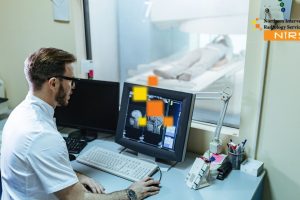
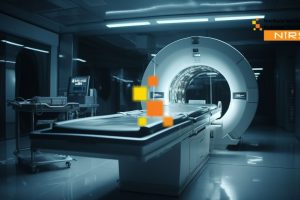
Interventional radiology (IR) is a medical specialty that uses imaging guidance — including ultrasound, CT scans, and fluoroscopy — to perform minimally invasive diagnostic and therapeutic procedures. Unlike traditional surgery, IR procedures require only small incisions or needle punctures, reducing risk, pain, and recovery time.
At NIRS, interventional radiologists offer services ranging from angiography and PICC line insertion to TACE treatment for liver cancer, uterine fibroid embolization, and varicose veins treatment.
Why Early Intervention Matters
Patients often wait until symptoms worsen before seeking care. However, identifying early signs you should see an interventional radiologist can dramatically improve outcomes. Early intervention allows for:
- Less invasive procedures
- Fewer complications
- Faster recovery
- Greater treatment precision
Early Signs You Should See an Interventional Radiologist
Here are the most common early indicators that you may benefit from a consultation with an interventional radiologist:
1. Persistent or Unexplained Pain
Chronic pain in the abdomen, chest, or limbs that doesn’t respond to standard treatments may indicate underlying vascular, organ, or musculoskeletal problems. Interventional radiologists can perform image-guided procedures to pinpoint and treat the cause effectively.
2. Abnormal Imaging Results
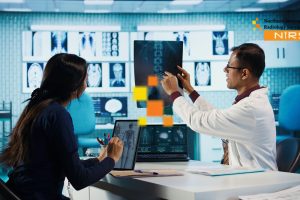
If your doctor notices unusual findings on ultrasound, CT scans, or MRI — such as liver lesions, kidney abnormalities, or vascular malformations — early consultation with an interventional radiologist is crucial for precise diagnosis and treatment planning.
3. Swelling or Varicose Veins
Prominent veins, leg swelling, or chronic discomfort in the lower limbs may indicate circulatory issues. Minimally invasive treatments like varicose vein ablation are best performed early to prevent complications such as ulcers or blood clots.
4. Uncontrolled Bleeding or Bruising
Unexpected bleeding, bruising, or hematomas may suggest vascular problems or clotting disorders. Interventional radiology offers angiography and embolization techniques to identify and manage the source quickly and safely.
5. Need for Long-Term IV Access
Patients requiring chemotherapy, antibiotics, or nutritional support may benefit from PICC line insertion. Early evaluation ensures safe placement and reduces complications associated with repeated IV insertions.
6. Liver or Kidney Conditions
Patients with liver cancer, kidney tumors, or bile duct obstruction can benefit from targeted TACE treatment or image-guided interventions. Early detection improves treatment success and minimizes damage to healthy tissues.
7. Gynecological Concerns
Women experiencing heavy menstrual bleeding, fibroids, or pelvic pain may be candidates for uterine fibroid embolization. Consulting an interventional radiologist early can prevent unnecessary surgery and preserve fertility.
8. Difficulty in Recovery After Surgery
Persistent complications after surgery — such as fluid accumulation or vascular issues — may be effectively managed with minimally invasive, image-guided procedures rather than repeat surgery.
Benefits of Early Interventional Radiology Consultation
By acting promptly when you notice these signs, patients experience multiple benefits:
- Minimally Invasive Care: Small punctures instead of major incisions
- Reduced Pain & Discomfort: Less trauma to tissues
- Lower Risk of Infection: Sterile, precise procedures
- Faster Recovery: Most patients return to normal activities quickly
- Precise Diagnosis: Advanced imaging ensures accurate targeting
At NIRS, every procedure is designed to maximize safety and treatment effectiveness.
Why Choose NIRS for Interventional Radiology?
Northern Interventional Radiology Services (NIRS) is a leading provider of image-guided, minimally invasive treatments in Pakistan. Our services include:
- Angiography and vascular procedures
- PICC line insertion for long-term IV access
- TACE treatment for liver cancer
- Uterine fibroid embolization
- Varicose vein treatment
- Image-guided biopsies
Patients trust NIRS for:
- Highly trained interventional radiologists
- Advanced imaging technology
- Strict infection control protocols
- Personalized care plans
- Compassionate patient support
Patient Stories and Experiences
Many patients at NIRS have avoided major surgeries thanks to early interventional radiology intervention. From reducing chronic pain to improving circulation and treating tumors, early action leads to faster recovery, better outcomes, and improved quality of life.
Conclusion
Recognizing Early Signs You Should See an Interventional Radiologist is vital for timely, effective treatment. Whether you are dealing with vascular issues, organ lesions, fibroids, or the need for long-term IV access, early consultation can save time, reduce complications, and enhance recovery.
At NIRS (Northern Interventional Radiology Services), we combine cutting-edge imaging technology with expert care to deliver life-changing interventional radiology services. If you notice any of the signs mentioned above, don’t wait — early intervention may be the key to better health.