PICC Line Insertion When It’s Needed and Improves Care
Modern medicine depends on safe, reliable, and long-term intravenous access for many treatments. From chemotherapy and long-term antibiotics to critical care medications, patients often require repeated IV access. This is where PICC Line Insertion: When It’s Needed and How It Improves Patient Care becomes an essential topic in advanced healthcare.
At NIRS (Northern Interventional Radiology Services), PICC line insertion is performed using image-guided precision to ensure maximum safety, comfort, and efficiency. Understanding when a PICC line is required and how it enhances patient outcomes can help patients and families make informed decisions about their treatment.
What Is a PICC Line?
A Peripherally Inserted Central Catheter (PICC) is a long, thin, flexible tube inserted into a vein in the upper arm. It is then carefully guided through the vein until the tip reaches a large central vein near the heart.
Unlike regular IV lines that must be changed frequently, a PICC line can remain in place for weeks or even months. This makes it ideal for patients who require long-term therapy.
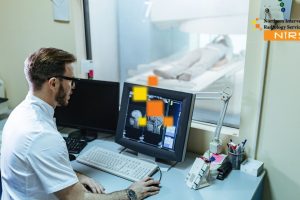
At NIRS, PICC line insertion is performed under ultrasound and imaging guidance to ensure accurate placement and reduce complications.
PICC Line Insertion: When It’s Needed and How It Improves Patient Care
Understanding PICC Line Insertion: When It’s Needed and How It Improves Patient Care begins with recognizing the medical situations where it becomes necessary.
1. Long-Term Antibiotic Therapy
Patients with serious infections such as bone infections (osteomyelitis) or bloodstream infections often require intravenous antibiotics for several weeks. A PICC line allows:
- Continuous medication delivery
- Reduced need for repeated needle pricks
- Comfortable home-based treatment
2. Chemotherapy for Cancer Patients
Cancer treatment frequently requires strong medications that can irritate smaller veins. A PICC line provides safe delivery directly into a large vein, minimizing vein damage and discomfort.
At Northern Interventional Radiology Services, PICC lines are commonly placed for oncology patients to ensure smooth treatment cycles.
3. Total Parenteral Nutrition (TPN)
Patients who cannot eat or absorb nutrients properly may need intravenous nutrition. A PICC line ensures safe and long-term nutritional support.
4. Frequent Blood Sampling
For patients requiring repeated blood tests, a PICC line eliminates the stress and pain of multiple needle insertions.
How PICC Line Insertion Improves Patient Care
Minimizes Repeated Needle Sticks
One of the greatest advantages is reducing repeated IV insertions. This significantly improves patient comfort, especially for:
- Elderly patients
- Children
- Chronically ill individuals
Improves Medication Safety
Certain medications can damage smaller peripheral veins. A PICC line delivers medication into a central vein where blood flow quickly dilutes it, reducing irritation and complications.
Enhances Treatment Efficiency
Because the line remains in place long-term, healthcare providers can administer medication quickly and efficiently without delays.
Supports Outpatient Treatment
Many patients can continue therapy at home instead of staying hospitalized. This reduces:
- Hospital costs
- Risk of hospital-acquired infections
- Emotional stress
At NIRS, patients are educated on proper PICC care to ensure safe home management.
The Role of Image Guidance in Safe PICC Line Placement
At Northern Interventional Radiology Services (NIRS), PICC Line Insertion is performed using ultrasound guidance and imaging confirmation.
This advanced approach ensures:
- Accurate vein selection
- Correct catheter positioning
- Reduced risk of complications
- Immediate verification of placement
Image guidance significantly improves procedural success rates and patient safety.
What to Expect During the Procedure
Understanding PICC Line Insertion: When It’s Needed and How It Improves Patient Care also involves knowing what happens during the procedure.
Step 1: Preparation
The arm is cleaned and sterilized. Local anesthesia is applied to numb the area.
Step 2: Ultrasound-Guided Insertion
Using real-time ultrasound, the radiologist inserts the catheter into the selected vein.
Step 3: Position Confirmation
Imaging ensures the catheter tip is correctly positioned in the central vein.
Step 4: Dressing and Instructions
The site is dressed, and patients receive care instructions.
The procedure typically takes 30–45 minutes and is minimally painful.
Safety and Possible Risks
When performed by experienced specialists at NIRS, PICC Line Insertion is very safe. However, as with any medical procedure, there are minor risks such as:
- Infection
- Blood clots
- Catheter blockage
These risks are significantly minimized through sterile techniques and expert placement.
Why Choose NIRS for PICC Line Insertion?
NIRS stands out for delivering high-quality interventional radiology services in Pakistan. Patients choose NIRS because of:
- Skilled interventional radiologists
- Advanced imaging technology
- Strict infection control protocols
- Patient-centered care
- Comprehensive follow-up services
In addition to PICC line insertion, NIRS offers:
- Angiography and angioplasty
- TACE treatment for liver cancer
- Uterine fibroid embolization
- Varicose veins treatment
- Ultrasound-guided biopsies
This comprehensive expertise ensures integrated care under one roof.
Emotional and Psychological Benefits
Repeated hospital visits and needle insertions can cause anxiety and stress. A PICC line improves overall patient experience by providing:
- Greater comfort
- Treatment continuity
- Reduced hospital dependency
- Improved quality of life
Understanding PICC Line Insertion: When It’s Needed and How It Improves Patient Care highlights its transformative impact on modern healthcare.
The Future of Long-Term IV Access
As medicine continues to advance toward minimally invasive, patient-focused care, PICC lines remain a cornerstone of long-term intravenous therapy. With image-guided precision and expert management at Northern Interventional Radiology Services, patients receive safe, efficient, and compassionate care.
If you or your loved one requires long-term IV therapy, consult NIRS for professional and reliable PICC line insertion services.