Interventional Radiology Future of Non-Surgical Care | NIRS
In the ever-evolving world of medicine, patients and doctors are seeking safe, effective, and minimally invasive alternatives to traditional surgery. Interventional Radiology (IR) is at the forefront of this transformation. Understanding Why Interventional Radiology Is the Future of Non-Surgical care highlights the remarkable advancements in patient care, especially at NIRS (Northern Interventional Radiology Services).
By combining cutting-edge imaging technology with expert procedural skills, NIRS provides solutions for conditions ranging from vascular disorders and cancer to uterine fibroids and varicose veins—all without the need for invasive surgery.
What Is Interventional Radiology?
Interventional Radiology is a medical specialty where doctors use image-guided techniques to diagnose and treat a variety of conditions. Unlike traditional surgery, IR procedures are minimally invasive, typically involving:
- Small incisions or needle punctures
- Real-time imaging guidance using ultrasound, CT, or fluoroscopy
- Short recovery times and reduced hospital stays
At NIRS, patients experience the benefits of advanced image-guided therapies, including improved outcomes, less pain, and faster return to normal life.
Why Interventional Radiology Is Gaining Popularity
1. Minimally Invasive Procedures
Unlike open surgery, IR techniques require minimal incisions. This approach:
- Reduces surgical trauma to the body
- Minimizes risk of infection and complications
- Decreases hospital stay and recovery time
- Provides a cosmetic advantage with smaller scars
Patients seeking less disruptive alternatives often choose interventional radiology over traditional surgical methods.
2. Precision Through Advanced Imaging
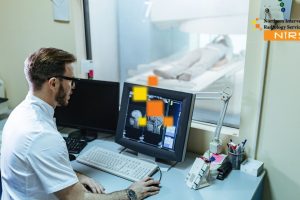
How Interventional Radiology Is the Future of Non-Surgical care relies on precise, real-time imaging. Doctors use imaging to:
- Identify the exact location of tumors, blocked arteries, or abnormal tissues
- Target therapy accurately, avoiding healthy tissues
- Monitor procedures in real-time for optimal outcomes
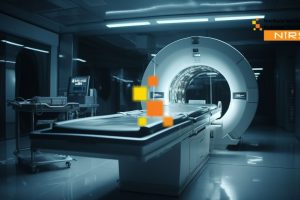
Technologies such as CT, MRI, fluoroscopy, and ultrasound make this precision possible, ensuring every treatment is tailored to the patient’s anatomy and condition.
3. Broad Range of Applications
Interventional Radiology can address a variety of medical challenges, including:
- Cancer Treatment: TACE therapy, ablation, and chemoembolization
- Vascular Conditions: Angioplasty, stenting, and varicose vein treatment
- Gynecological Care: Uterine fibroid embolization
- Pain Management & Biopsies: Ultrasound-guided procedures for diagnosis and therapy
This versatility demonstrates why IR is revolutionizing modern medicine.
4. Faster Recovery and Less Pain
Traditional surgery often requires weeks of recovery and carries the risk of significant pain. IR procedures allow:
- Minimal discomfort during and after the procedure
- Rapid return to daily activities
- Reduced need for strong pain medications
Patients at NIRS benefit from personalized care plans that focus on comfort, safety, and efficiency throughout the recovery process.
5. Safer Option for High-Risk Patients
Many patients with chronic conditions, advanced age, or comorbidities may not be ideal candidates for surgery. Interventional Radiology provides a safer alternative by:
- Minimizing anesthesia requirements
- Reducing procedural stress on the body
- Offering effective results without major surgical intervention
This makes IR the future of non-surgical treatment for diverse patient populations.
Real-World Success at NIRS
Northern Interventional Radiology Services has transformed patient care by implementing minimally invasive, image-guided therapies. Some of the key procedures include:
- Angiography: Detects and treats vascular blockages accurately
- TACE Treatment: Targets liver tumors with precision chemotherapy
- PICC Line Insertion: Provides safe long-term intravenous access
- Uterine Fibroid Embolization: Shrinks fibroids without surgery
- Varicose Veins Ablation: Treats veins effectively with minimal downtime
Patients at NIRS report faster recovery, reduced pain, and improved quality of life compared to conventional surgical methods.
The Future of Medicine & Future of Non-Surgical Care
As technology continues to evolve, the role of interventional radiology in healthcare will expand. Key trends include:
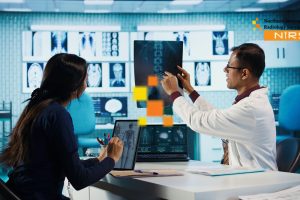
- Integration with Artificial Intelligence: Enhancing image analysis and treatment planning
- Expanded Applications: Treating more conditions non-surgically
- Patient-Centered Care: Customized treatments that prioritize recovery and quality of life
- Collaborative Care Models: Coordinating with oncologists, gynecologists, and vascular specialists for comprehensive care
With these advancements, IR is poised to replace many traditional surgical procedures, making treatment safer, faster, and more precise.
Conclusion
Why Interventional Radiology Is the Future of Non-Surgical Treatment is evident through its precision, versatility, and patient-centered approach. At NIRS (Northern Interventional Radiology Services), advanced imaging, minimally invasive techniques, and expert care converge to provide life-changing outcomes.
Patients seeking safe, effective, and minimally invasive solutions—from cancer care to vascular procedures—can rely on NIRS for superior treatment and faster recovery. By embracing interventional radiology, modern medicine is redefining what’s possible in patient care.