Author name: Admin

Essential Tips Before Interventional Radiology Procedures including fasting guidelines, medication adjustments, and hydration for safe imaging.
Blogs

Essential Tips Before Interventional Radiology Procedures

Essential Tips Before Interventional Radiology Procedures Preparation is the foundation of medical success. While interventional radiology (IR) is significantly less invasive than traditional surgery, it still requires careful planning to ensure the best possible outcome. At Northern Interventional Radiology Services (NIRS), we prioritize patient education. We believe that when a patient is well-prepared, they experience less anxiety and a faster recovery. This guide provides Essential Tips Before Interventional Radiology Procedures to help you navigate your treatment at our Islamabad or Abbottabad facilities with confidence. What is Interventional Radiology? Interventional Radiology is a medical specialty that uses image-guidance (X-rays, CT, or Ultrasound) to perform minimally invasive procedures. Whether you are coming to NIRS for Peripheral Artery Disease (PAD) treatment, Uterine Fibroid Embolization (UFE), or a biopsy, the following preparation steps are universal. 1. Communicate Your Medical History The most important of the Essential Tips Before Interventional Radiology Procedures is transparency. Our specialists need a full picture of your health. 2. Fasting and Dietary Requirements For most IR procedures at NIRS, you will be asked to fast (nothing to eat or drink) for a specific period before your appointment. 3. Plan Your Transportation Even though interventional radiology doesn’t involve “open” surgery, we often use mild sedation or “twilight anesthesia” to keep you comfortable. 4. Dress for Comfort and Practicality On the day of your appointment at Northern Interventional Radiology Services, simplicity is key. 5. Understanding the “Pinhole” Approach Knowing what to expect physically can reduce stress. Unlike traditional surgery that requires large cuts, NIRS specialists use a “pinhole” entry. 6. Pre-Procedure Lab Work To ensure your safety, NIRS requires recent blood tests before performing an intervention. 7. Recovery Expectations The Essential Tips Before Interventional Radiology Procedures also include knowing what happens after the needle is removed. Why Choose NIRS for Your Procedure? At Northern Interventional Radiology Services (NIRS), we combine international medical standards with a compassionate, local touch. Choosing us means you are choosing: Final Thoughts: Your Safety is Our Priority By following these Essential Tips Before Interventional Radiology Procedures, you play an active role in your healing process. At NIRS, we are here to support you at every stepβ€”from the initial consultation to the final follow-up. If you have any questions regarding your upcoming procedure or would like to learn more about how interventional radiology can treat your condition without the need for major surgery, contact our team today. Contact NIRS Today:
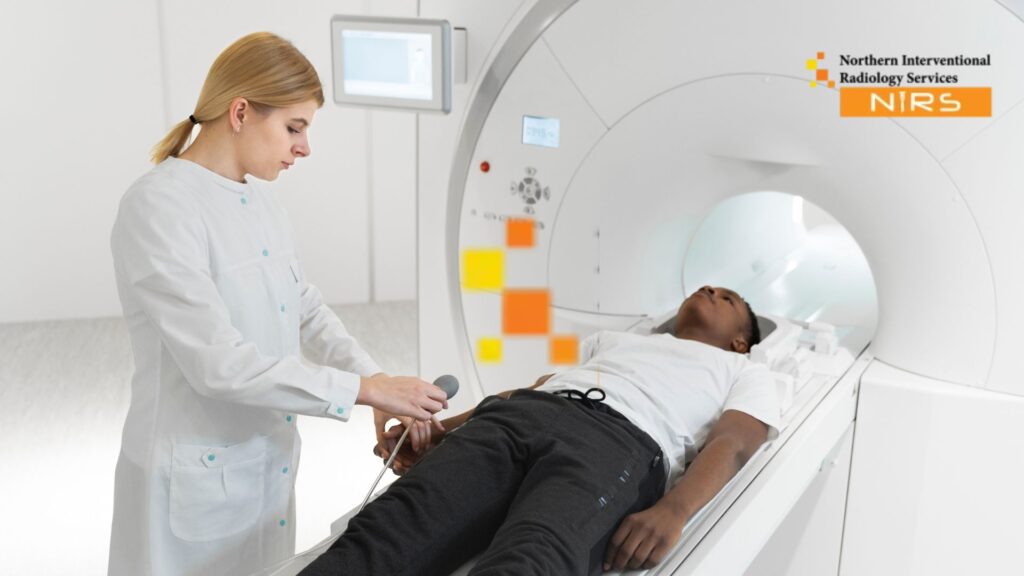
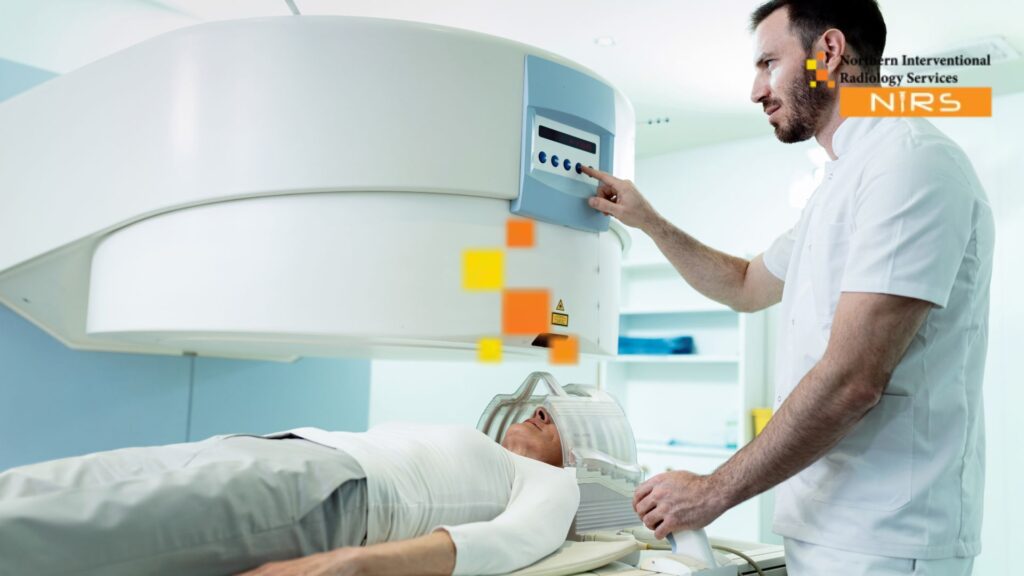
Emergency Life-Saving Interventional Radiology for Bleeding featuring rapid-response catheter embolization to stop internal hemorrhage without open surgery.
Blogs

Life-Saving Interventional Radiology for Bleeding

Life-Saving Interventional Radiology for Bleeding: The NIRS Emergency Care In medical emergencies involving severe internal bleeding, every second counts. Traditional surgical methods often require large incisions and significant time to locate the source of a hemorrhage, which can be dangerous for an unstable patient. At Northern Interventional Radiology Services (NIRS), we offer a faster, more precise alternative: Life-Saving Interventional Radiology for Bleeding. By utilizing real-time, high-definition imaging, our specialists can “see” inside the vascular system, identify the exact point of rupture, and stop the bleeding through a pinhole incision. This approach is not just an alternative to surgery; it is a modern standard in emergency medicine. What is Emergency Interventional Radiology? Interventional Radiology (IR) uses image-guided tools to perform minimally invasive procedures. In the context of trauma or internal hemorrhage, IR focuses on “Embolization.” This involves navigating a tiny catheter through the blood vessels to the site of the bleed and deploying specialized materialsβ€”such as coils, plugs, or medical glueβ€”to seal the vessel and stop the blood loss immediately. Critical Scenarios for Life-Saving Interventional Radiology for Bleeding At NIRS, we treat a variety of emergency conditions where image-guided intervention is the safest and most effective choice. 1. Gastrointestinal (GI) Bleeding Severe bleeding in the stomach or intestines can be difficult to manage with endoscopy alone. 2. Post-Traumatic Hemorrhage Following a car accident or a serious fall, internal organs like the liver, spleen, or kidneys can suffer lacerations that cause massive internal bleeding. 3. Post-Partum Hemorrhage (PPH) Heavy bleeding after childbirth is a leading cause of maternal mortality worldwide. 4. Bronchial Artery Embolization (Coughing Up Blood) Hemoptysis, or coughing up significant amounts of blood, is often caused by ruptured vessels in the lungs (commonly due to TB or bronchiectasis). 5. Pelvic Fractures A fractured pelvis can cause extensive bleeding from deep internal arteries that are nearly impossible to reach with traditional surgery. The Powerful Benefits of the NIRS Pinhole Approach When a patient is in critical condition, the “minimally invasive” nature of Life-Saving Interventional Radiology for Bleeding offers several clinical advantages: Why NIRS is Pakistan’s Trusted Name in Vascular Emergencies Northern Interventional Radiology Services (NIRS), led by Dr. Atif Nawaz, is equipped with the latest angiography suites in the Islamabad and Hazara regions. Our facility is designed to handle complex vascular cases that require the highest level of technical expertise. The NIRS Difference: Conclusion: Innovation That Saves Lives The ability to stop internal bleeding without a scalpel is one of the greatest achievements of modern medicine. At NIRS, we are dedicated to bringing this technology to the people of Pakistan, ensuring that life-threatening hemorrhages can be treated with precision, safety, and speed. If you are a medical professional looking for an intervention partner or a patient seeking the most advanced care available, remember that NIRS stands for excellence in image-guided therapy. Contact NIRS for Urgent Consultations:

Explore Common Interventional Radiology Myths Debunked featuring the truth about radiation safety, outpatient recovery, and non-surgical alternatives.
Blogs

Common Interventional Radiology Myths Debunked

Common Interventional Radiology Myths Debunked | NIRS As medical technology advances, it often outpaces public understanding. Interventional Radiology (IR) is one of the most innovative fields in modern medicine, yet it remains shrouded in mystery for many patients in Pakistan. This lack of information often leads to fear or the choice of unnecessary, invasive surgeries. At Northern Interventional Radiology Services (NIRS), our mission is to provide clarity. Below, we provide a comprehensive look at Common Interventional Radiology Myths Debunked, ensuring you have the facts needed to make the best decision for your vascular, oncological, and general health. Myth 1: Interventional Radiology is Only for Diagnosis The Truth: This is perhaps the most frequent misconception. Many people hear “Radiology” and think only of X-rays or MRIs used to find a problem. Myth 2: IR Procedures are “Experimental” or Less Effective Than Surgery The Truth: Some patients believe that if a surgeon isn’t “opening them up,” the treatment won’t be as thorough. Myth 3: You Will Be Exposed to Dangerous Levels of Radiation The Truth: Because IR uses X-rays and CT scans for guidance, patients worry about radiation sickness or long-term damage. Myth 4: IR Procedures are Agonizingly Painful The Truth: The idea of a needle or catheter moving through the arteries sounds terrifying to many. Myth 5: You Need General Anesthesia for Major Interventions The Truth: People assume that if they are treating cancer or a major vascular blockage, they must be “put under.” Myth 6: Recovery Takes Weeks The Truth: Because people associate “hospital procedures” with “bed rest,” they expect a long downtime. Why Choose NIRS (Northern Interventional Radiology Services)? Now that we have seen the Common Interventional Radiology Myths Debunked, the question remains: Why choose NIRS? Conclusion: Move Toward the Future of Medicine Don’t let outdated myths dictate your health journey. By understanding Common Interventional Radiology Myths Debunked, you can see that the future of healthcare is smaller, safer, and faster. NIRS is proud to be at the forefront of this medical revolution in Pakistan. If you have been told you need surgery for fibroids, leg pain, or a biopsy, come talk to us. Experience the comfort and safety that only Northern Interventional Radiology Services can provide. Contact NIRS Today for an Appointment:

Explore the Future of Minimally Invasive Medical Treatments featuring AI-driven robotics, real-time 3D digital twins, and autonomous microbots for precision surgery.
Blogs

Phenomenal Future of Minimally Invasive Medical Treatments

Future of Minimally Invasive Medical Treatments | NIRS The history of medicine is a journey from the general to the specific, from the invasive to the microscopic. We are currently witnessing a seismic shift where the traditional scalpel is being replaced by the catheter and the imaging screen. At Northern Interventional Radiology Services (NIRS), we are not just observers of this change; we are the architects. The Future of Minimally Invasive Medical Treatments is already here, and it is transforming patient care across Pakistan. By integrating robotics, artificial intelligence, and ultra-high-resolution imaging, NIRS is providing solutions that were once considered science fiction. Below, we explore the trends and technologies that define the next decade of medical excellence. 1. Beyond the Scalpel: The Rise of Interventional Radiology The core of the Future of Minimally Invasive Medical Treatments lies in Interventional Radiology (IR). IR allows doctors to treat complex diseases through a tiny pinhole, usually in the wrist or the groin. 2. Artificial Intelligence in Image Guidance AI is the silent partner in the Future of Minimally Invasive Medical Treatments. At NIRS, we envision a future where AI algorithms assist our radiologists in identifying the most efficient route to a vascular blockage or a cancerous growth. 3. Targeted Oncology: The Death of Systemic Side Effects The Future of Minimally Invasive Medical Treatments is most promising in the field of cancer. Traditional chemotherapy travels through the entire body, causing hair loss and nausea. The future at NIRS is “Local Delivery.” 4. The End of Long Hospital Stays One of the most human-centric aspects of the Future of Minimally Invasive Medical Treatments is the death of the long hospital stay. 5. Cardiovascular Breakthroughs: No-Surgical Heart & Vessel Repair Blocked arteries are a leading cause of disability. The Future of Minimally Invasive Medical Treatments at NIRS focuses on bio-resorbable stentsβ€”stents that do their job and then simply dissolve once the artery has healed. Why NIRS is the Gateway to This Future Choosing Northern Interventional Radiology Services (NIRS) means choosing a facility that stays ahead of the curve. While others are catching up, NIRS is already implementing the Future of Minimally Invasive Medical Treatments today. The Economic Impact of Minimal Invasion The Future of Minimally Invasive Medical Treatments is also an economic necessity. By reducing hospital stays and complication rates, NIRS is making high-end healthcare more affordable for the average Pakistani family. Less time in the hospital means less financial burden and a quicker return to the workforce. Conclusion: Embrace the Healthcare Revolution The Future of Minimally Invasive Medical Treatments is not just about machines; it is about people. It is about a grandmother being able to walk again after a non-surgical artery clearance. It is about a father being treated for liver cancer without losing his strength. At NIRS, we are dedicated to this future. We invite you to explore a world where healing is precise, safe, and fast. The era of the large surgical scar is ending; the era of image-guided precision has begun. Step Into the Future with NIRS:

Explore Advanced Imaging Technology in Interventional Radiology featuring 3D cone-beam CT, AI-driven navigation, and real-time fluoroscopy fusion.
Blogs

Advanced Imaging Technology in Interventional Radiology

Advanced Imaging Technology in Interventional Radiology At Northern Interventional Radiology Services (NIRS), we believe that the clearer we see, the better we heal. The backbone of modern interventional medicine is not just the skill of the doctor, but the power of the machines that guide them. Advanced Imaging Technology in Interventional Radiology has transformed once-complex open surgeries into simple, “pinhole” procedures that prioritize patient safety and rapid recovery. As the leading IR center in Islamabad and the Hazara region, NIRS is equipped with world-class diagnostic and interventional suites. Below, we explore the cutting-edge technologies that allow our specialists to navigate the human body with sub-millimeter accuracy. The Core of Our Technology: Real-Time Precision Traditional surgery often involves “exploratory” steps to locate a problem. In contrast, NIRS uses live imaging to create a high-definition roadmap of your internal anatomy. This Advanced Imaging Technology in Interventional Radiology ensures that we only target the diseased area, leaving healthy tissue untouched. 1. High-Resolution DSA (Digital Subtraction Angiography) Digital Subtraction Angiography is the “gold standard” for vascular imaging. 2. Multi-Slice CT Guidance (Computed Tomography) For deep-seated issues like tumors or abscesses, a 2D image isn’t enough. NIRS utilizes advanced CT scanners to provide a 3D view of the body. 3. C-Arm Fluoroscopy Units Fluoroscopy is essentially a “live X-ray movie.” At NIRS, our high-end C-arm units provide continuous imaging during a procedure. This is the primary tool used for Uterine Fibroid Embolization (UFE) and Vertebroplasty, ensuring that embolic particles or bone cement are delivered exactly to the target site. 4. Ultrasound with Color Doppler Ultrasound is our first line of defense. It is non-invasive, radiation-free, and incredibly versatile. Why Advanced Imaging Matters for the Patient You might wonder why we invest so heavily in Advanced Imaging Technology in Interventional Radiology. The answer lies in the “Patient-First” outcomes that this technology facilitates: The NIRS Standard of Care in Pakistan Led by renowned specialists like Dr. Atif Nawaz and Dr. Muhammad Ismail, NIRS is a hub of excellence. Our facilities in Abbottabad and Islamabad are integrated with the Islamabad Diagnostic Centre (IDC), ensuring that your diagnostic journeyβ€”from the first MRI to the final interventional procedureβ€”is seamless and technology-driven. We don’t just use the technology; we master it. Our team is constantly updating our protocols to match international standards set by the Radiology Society of North America (RSNA) and the Royal College of Radiologists (UK). Conclusion: Seeing is Healing The era of “guessing” in medicine is over. The Advanced Imaging Technology in Interventional Radiology at NIRS represents the pinnacle of medical innovation. Whether we are saving a limb from amputation, treating a uterine fibroid, or destroying a tumor, our technology acts as our eyes, ensuring your safety at every step. If you are looking for the most advanced, non-surgical medical care in Pakistan, look no further than Northern Interventional Radiology Services. Consult with the Experts at NIRS:

Powerful How Interventional Radiology Is Replacing Surgery Today demonstrating minimally invasive, image-guided procedures that reduce risks, shorten recovery, and provide effective treatment alternatives with expert radiologists.
Blogs

How Interventional Radiology Is Replacing Surgery in Modern Medicine | NIRS

Powerful How Interventional Radiology Is Replacing Surgery Today Modern medicine is undergoing a powerful transformation. Traditional open surgeries that once required large incisions, long hospital stays, and extended recovery times are now being replaced by safer, faster, and minimally invasive procedures. At the center of this medical revolution is interventional radiology. Understanding how interventional radiology is replacing surgery in modern medicine helps patients make informed decisions about their healthcare and opens the door to better outcomes with less risk. At NIRS, we are proud to be at the forefront of this change, offering advanced image-guided treatments that reduce pain, shorten recovery time, and improve quality of life. What Is Interventional Radiology? Interventional radiology (IR) is a medical specialty that uses advanced imaging technologies such as ultrasound, CT scans, fluoroscopy, and MRI to guide minimally invasive procedures. Instead of large surgical cuts, doctors use tiny incisions or needle punctures to treat complex conditions from inside the body. This approach allows precise targeting of disease while protecting healthy tissues β€” a key reason interventional radiology is replacing surgery in modern medicine. Why Traditional Surgery Is Being Replaced While surgery remains necessary in some cases, it often comes with: Interventional radiology addresses these challenges by offering non-surgical or minimally invasive alternatives that deliver equal or better results for many conditions. How Interventional Radiology Is Replacing Surgery in Modern Medicine 1️⃣ Smaller Incisions, Bigger Results IR procedures typically require only a needle-sized entry point. This drastically reduces trauma to the body while still allowing doctors to treat tumors, blocked vessels, fibroids, and more. 2️⃣ Faster Recovery and Less Pain Patients treated with interventional radiology often go home the same day or within 24 hours. Compared to weeks of recovery after surgery, IR patients usually return to normal activities much faster. 3️⃣ Image-Guided Precision Using real-time imaging, interventional radiologists can see exactly where to treat. This precision improves outcomes and reduces complications β€” a major reason interventional radiology is replacing surgery in modern medicine. 4️⃣ Lower Risk for High-Risk Patients Patients who are elderly or have chronic illnesses may not tolerate major surgery well. IR offers safer alternatives for these patients with minimal anesthesia and lower procedural risk. Common Conditions Now Treated Without Surgery At NIRS, interventional radiology is successfully replacing surgery in many areas, including: πŸ”Ή Uterine Fibroid Treatment Instead of hysterectomy, uterine fibroid embolization (UFE) shrinks fibroids while preserving the uterus. πŸ”Ή Liver Cancer Treatment TACE (Transarterial Chemoembolization) targets liver tumors directly without removing liver tissue. πŸ”Ή Varicose Veins Minimally invasive vein treatments replace vein stripping surgery. πŸ”Ή Angiography and Vascular Disease Blocked arteries can be diagnosed and treated without open vascular surgery. πŸ”Ή Image-Guided Biopsies Accurate diagnosis without surgical biopsy procedures. These advances clearly show how interventional radiology is replacing surgery in modern medicine. Role of Advanced Imaging at NIRS NIRS uses state-of-the-art imaging systems to guide every procedure. High-resolution imaging allows: Our technology-driven approach ensures patients receive world-class care close to home. Benefits of Choosing Interventional Radiology at NIRS These benefits explain why more doctors and patients are choosing IR over traditional surgery. The Future of Medicine Is Minimally Invasive Medical science continues to evolve, and interventional radiology is leading the way. With ongoing innovations, even more conditions will soon be treated without open surgery. Hospitals worldwide are investing heavily in IR because it delivers better outcomes with fewer risks. At NIRS, we are committed to staying ahead of this curve, ensuring our patients benefit from the latest advancements in modern medicine. Why NIRS Is a Trusted Leader in Interventional Radiology If you want to experience firsthand how interventional radiology is replacing surgery in modern medicine, NIRS is your trusted healthcare partner. Book Your Consultation Today Don’t let fear of surgery delay your treatment. Discover safer, smarter alternatives with interventional radiology at NIRS. Contact us today to schedule your consultation and explore minimally invasive treatment options tailored to your needs.

Smart Uterine Fibroid Embolization vs Surgery Guide | NIRS comparing minimally invasive embolization with traditional surgery, highlighting faster recovery, reduced complications, and effective relief from uterine fibroids.
Blogs

Uterine Fibroid Embolization vs Surgery: What Women Should Know | NIRS

Smart Uterine Fibroid Embolization vs Surgery Guide | NIRS Uterine fibroids affect millions of women worldwide and can significantly impact daily life. Heavy menstrual bleeding, pelvic pain, pressure symptoms, and fertility concerns are common reasons women seek treatment. Traditionally, surgery was considered the primary solution. However, modern medicine now offers less invasive alternatives. Understanding Uterine Fibroid Embolization vs Surgery: What Women Should Know is essential for making an informed decision about long-term health and quality of life. At NIRS (Northern Interventional Radiology Services), we specialize in advanced, image-guided treatments that allow women to manage fibroids safely, effectively, and often without major surgery. Understanding Uterine Fibroids Uterine fibroids are non-cancerous growths that develop in or around the uterus. They vary in size, number, and location and can grow slowly over time. While some women experience no symptoms, others may face serious physical and emotional discomfort. Common symptoms include: Choosing the right treatment depends on symptom severity, fibroid size, age, and future fertility goals. What Is Surgical Treatment for Uterine Fibroids? Surgical options for fibroids include myomectomy (removal of fibroids) and hysterectomy (removal of the uterus). While surgery can be effective, it often comes with certain limitations. Limitations of Surgery These challenges have led many women to explore non-surgical alternatives. What Is Uterine Fibroid Embolization (UFE)? Uterine Fibroid Embolization is a minimally invasive procedure performed by an interventional radiologist. Instead of removing fibroids surgically, UFE works by blocking the blood supply to the fibroids, causing them to shrink naturally over time. The procedure involves: At NIRS, UFE is performed using advanced imaging for maximum precision and safety. Uterine Fibroid Embolization vs Surgery: What Women Should Know 1️⃣ Invasiveness Surgery involves cutting and removal of tissue, while UFE requires only a tiny puncture. This makes embolization far less invasive. 2️⃣ Recovery Time Surgical recovery may take weeks, whereas most UFE patients return to daily activities within a few days. 3️⃣ Fertility Preservation UFE preserves the uterus, making it a preferred option for women who wish to retain fertility or avoid hysterectomy. 4️⃣ Pain and Scarring UFE causes less pain and minimal scarring compared to traditional surgery. 5️⃣ Effectiveness Both treatments are effective, but UFE offers long-term symptom relief without removing the uterus. This comparison clearly highlights Uterine Fibroid Embolization vs Surgery: What Women Should Know when choosing the safest and most suitable treatment. Who Is an Ideal Candidate for UFE? You may be a good candidate for UFE if you: At NIRS, every patient undergoes a detailed evaluation before treatment recommendations are made. Why Women Trust NIRS for Fibroid Treatment Northern Interventional Radiology Services (NIRS) is a trusted name in minimally invasive women’s healthcare. βœ” Expert Interventional Radiologists Our specialists are trained in advanced fibroid embolization techniques. βœ” State-of-the-Art Imaging We use ultrasound, CT, MRI, and angiography to guide procedures accurately. βœ” Patient-Centered Care Each treatment plan is personalized, transparent, and ethically guided. βœ” Proven Clinical Outcomes High success rates and excellent patient satisfaction set NIRS apart. Long-Term Results and Quality of Life Most women experience: Follow-up imaging confirms fibroid shrinkage, ensuring lasting results. Making the Right Choice for Your Health Every woman’s situation is unique. Understanding Uterine Fibroid Embolization vs Surgery: What Women Should Know empowers you to choose a treatment aligned with your health goals, lifestyle, and future plans. At NIRS, we guide you through every step, offering clarity, confidence, and compassionate care. Book a Consultation at NIRS Today If uterine fibroids are affecting your life, don’t wait. Contact NIRS (Northern Interventional Radiology Services) today to explore safe, effective, and minimally invasive treatment options tailored to you.

When Is TACE Treatment Recommended for Liver Cancer Patients explaining indications, patient eligibility, tumor targeting, and benefits of transarterial chemoembolization for safe, effective, and minimally invasive liver cancer care.
Blogs

When Is TACE Treatment Recommended for Liver Cancer Patients? | NIRS

When Is TACE Treatment Recommended for Liver Cancer Patients Liver cancer is a serious and complex condition that requires timely, specialized, and targeted treatment. Advances in modern medicine have introduced minimally invasive therapies that significantly improve outcomes while reducing risks associated with surgery. One such treatment is Transarterial Chemoembolization (TACE). Understanding When Is TACE Treatment Recommended for Liver Cancer Patients? is crucial for patients and families seeking effective, evidence-based cancer care. At NIRS (Northern Interventional Radiology Services), we specialize in advanced interventional oncology procedures, including image-guided TACE, offering hope and improved quality of life for liver cancer patients. Understanding Liver Cancer and Treatment Challenges Liver cancer, most commonly hepatocellular carcinoma (HCC), often develops in patients with chronic liver disease or cirrhosis. Unfortunately, many cases are diagnosed at stages where surgery is no longer a viable option due to tumor size, location, or reduced liver function. Traditional treatments such as surgery or systemic chemotherapy may not be suitable for every patient. This is where interventional radiology plays a vital role by offering targeted, minimally invasive alternatives. What Is TACE Treatment? Transarterial Chemoembolization (TACE) is a minimally invasive procedure performed by interventional radiologists. It delivers chemotherapy drugs directly into the blood vessels feeding the liver tumor, followed by blocking those vessels to trap the medication inside the tumor. This dual action: At NIRS, TACE is performed under advanced imaging guidance to ensure precision and safety. When Is TACE Treatment Recommended for Liver Cancer Patients? TACE is not for every patient, but it is highly effective in specific clinical situations. Below are the key scenarios where TACE is recommended. 1️⃣ Patients with Inoperable Liver Tumors TACE is commonly recommended when liver tumors cannot be surgically removed due to their size, location, or number. 2️⃣ Intermediate-Stage Liver Cancer Patients with intermediate-stage hepatocellular carcinoma often benefit the most from TACE, as it can control tumor growth and prolong survival. 3️⃣ Preserved Liver Function TACE is best suited for patients whose liver function is still relatively stable, allowing them to tolerate the procedure safely. 4️⃣ Bridge to Liver Transplant TACE is frequently used to control tumor progression in patients awaiting liver transplantation. 5️⃣ Recurrent Liver Cancer For patients whose cancer returns after surgery or other treatments, TACE can be repeated as a safe and effective option. These factors clearly explain when TACE treatment is recommended for liver cancer patients and why it plays a central role in modern cancer care. Why TACE Is Preferred Over Traditional Treatments Compared to systemic chemotherapy or open surgery, TACE offers several advantages: These benefits make TACE a cornerstone of interventional oncology at NIRS. How TACE Is Performed at NIRS Step 1: Comprehensive Evaluation Patients undergo imaging studies such as CT or MRI to assess tumor size, number, and blood supply. Step 2: Image-Guided Catheter Placement A tiny catheter is inserted through a small puncture, usually in the groin or wrist, and guided to the liver arteries. Step 3: Targeted Chemotherapy Delivery Chemotherapy drugs are delivered directly into the tumor, followed by embolic agents that block blood flow. Step 4: Post-Treatment Monitoring Patients are monitored closely and typically discharged within a short period. This structured and precise approach ensures patients receive safe and effective care at Northern Interventional Radiology Services. Recovery and Follow-Up Care Most patients experience mild side effects such as fatigue, low-grade fever, or discomfort for a few days. At NIRS, we provide: Our team remains involved throughout the patient’s recovery journey. Why Choose NIRS for TACE Treatment? NIRS (Northern Interventional Radiology Services) is recognized for excellence in minimally invasive cancer care. βœ” Expert Interventional Radiologists Our specialists have extensive experience in liver-directed therapies. βœ” Advanced Imaging Technology We use high-resolution angiography and CT guidance for precise treatment delivery. βœ” Patient-Centered Oncology Care Every treatment plan is personalized, ethical, and transparent. βœ” Proven Outcomes High success rates and improved patient quality of life define our services. The Role of Interventional Radiology in Liver Cancer Care As cancer treatment continues to evolve, interventional radiology is becoming a key pillar of liver cancer management. The ability to treat tumors without removing large portions of the liver has transformed patient outcomes and expanded treatment possibilities. Understanding when TACE treatment is recommended for liver cancer patients empowers individuals to seek timely, effective care. Schedule a Consultation at NIRS Today If you or a loved one has been diagnosed with liver cancer, early and targeted intervention can make a meaningful difference. Contact NIRS (Northern Interventional Radiology Services) today to discuss whether TACE treatment is the right option for you.

Top Benefits of Image-Guided Procedures | NIRS Care providing precise, minimally invasive treatments with enhanced safety, faster recovery, reduced complications, and improved outcomes through advanced imaging technology.
Blogs

Top Benefits of Image-Guided Procedures Over Traditional Treatments

Top Benefits of Image-Guided Procedures | NIRS Care Medical technology has advanced tremendously in recent years, and image-guided procedures are leading the way in transforming patient care. At NIRS (Northern Interventional Radiology Services), we specialize in cutting-edge, minimally invasive procedures that reduce risk, improve precision, and provide faster recovery than traditional treatments. Understanding the top benefits of image-guided procedures over traditional treatments is essential for patients considering options for liver tumors, fibroids, varicose veins, or other complex conditions. What Are Image-Guided Procedures? Image-guided procedures use real-time imaging such as ultrasound, CT scans, MRI, or fluoroscopy to direct instruments precisely inside the body. Unlike traditional surgery, which requires large incisions and general anesthesia, these procedures are minimally invasive, often involving only a small needle puncture. Doctors can target the affected area with pinpoint accuracy, allowing for highly effective treatment while preserving healthy tissues. Image-guided procedures are increasingly replacing invasive surgeries in many medical specialties. 1. Minimally Invasive Approach The minimally invasive nature of these procedures is one of their most significant advantages. Traditional surgery often involves large cuts, which increase pain, risk of infection, and scarring. With image-guided treatments: Patients experience less physical trauma and can resume their normal activities much sooner. 2. Faster Recovery and Shorter Hospital Stay Recovery time after surgery can last weeks, requiring extended hospital stays. Image-guided procedures, however, allow patients to return home within 24–48 hours, and many procedures are outpatient. At NIRS, this rapid recovery enables patients to resume work and daily activities quickly, while also minimizing disruption to their personal lives. This is particularly important for patients who may need multiple treatments over time. 3. High Precision and Accuracy Image guidance allows doctors to treat only the affected area, preserving surrounding healthy organs. Precision is critical in procedures like: Real-time imaging ensures accuracy and helps reduce complications, making the treatment safer and more effective than traditional surgery. 4. Lower Risk and Fewer Complications Traditional surgery involves general anesthesia, higher blood loss, and significant risk of infection. Image-guided procedures typically require local anesthesia or mild sedation, significantly lowering complication rates. These treatments are ideal for: 5. Cost-Effective Treatment Option Image-guided procedures reduce hospital stays, post-operative care, and complications, making them more affordable than traditional surgeries. Patients save both time and money without compromising outcomes. Moreover, repeated treatments are possible if necessary, which is often critical for chronic conditions like liver cancer or recurring fibroids. 6. Effective for Complex Medical Conditions Many conditions that once required open surgery can now be treated minimally invasively, including: NIRS provides specialized expertise in these treatments, ensuring high success rates and excellent patient outcomes. 7. Improved Comfort and Safety Because the procedures are minimally invasive, patients experience less pain, minimal blood loss, and a much lower risk of complications. Recovery is smoother, and patients typically experience less post-procedure discomfort. 8. Personalized Treatment Approach Every patient at NIRS receives a customized treatment plan based on: This personalized approach ensures better long-term outcomes and higher patient satisfaction. Why Choose NIRS for Image-Guided Procedures? Northern Interventional Radiology Services (NIRS) is a leading provider of minimally invasive treatments in Pakistan. Our team combines advanced imaging technology with highly trained specialists to deliver world-class care. What Makes NIRS Different? At NIRS, we strive to replace unnecessary surgery with safer, more effective procedures that improve quality of life. Conclusion The top benefits of image-guided procedures over traditional treatments include minimal invasiveness, faster recovery, precision, safety, and affordability. These procedures are transforming modern healthcare, offering patients safer, more effective options for a wide range of conditions. For patients looking for advanced, minimally invasive care in Pakistan, NIRS is the trusted destination for image-guided procedures. πŸ“ž Contact NIRS today to learn how image-guided interventional radiology can help you avoid surgery and achieve faster, safer recovery.

Shocking Truth: Common Myths About Interventional Radiology | NIRS debunking misconceptions, explaining minimally invasive procedures, safe image-guided treatments, and the real benefits for faster recovery and effective care.
Blogs

Common Myths About Interventional Radiology in Pakistan

Shocking Truth:Common Myths About Interventional Radiology | NIRS Interventional Radiology (IR) is transforming modern medicine worldwide β€” yet in Pakistan, many people still misunderstand what it truly offers. Because it is relatively new compared to traditional surgery, myths and misconceptions often prevent patients from choosing this life-changing treatment option. At NIRS (Northern Interventional Radiology Services), we believe education is the first step toward better healthcare decisions. In this article, we are busting the Common Myths About Interventional Radiology in Pakistan – Busted, so patients can understand the real power of minimally invasive medicine. What Is Interventional Radiology? Interventional Radiology (IR) is a medical specialty that uses advanced imaging techniques such as ultrasound, CT scans, and fluoroscopy to perform minimally invasive procedures. Instead of large surgical incisions, IR procedures are done using tiny catheters or needles guided precisely to the treatment area. It is used for: Despite these remarkable advancements, myths still surround IR in Pakistan. 🚫 Myth 1: Interventional Radiology Is Just Diagnostic Imaging Truth: Interventional Radiology is not just about scans β€” it treats diseases. Many people believe radiologists only read X-rays or MRIs. In reality, interventional radiologists perform life-saving procedures that replace traditional surgeries. From stopping internal bleeding to shrinking tumors, IR offers therapeutic solutions. At NIRS, patients receive advanced image-guided treatments that are both precise and effective. 🚫 Myth 2: Surgery Is Always Better Than IR Truth: Minimally invasive procedures often provide safer outcomes. Traditional surgery involves: Interventional Radiology offers: In many cases, IR is not just an alternative β€” it is the preferred first-line treatment. 🚫 Myth 3: Interventional Radiology Is Not Available in Pakistan Truth: Advanced IR services are available at specialized centers like NIRS. There is a misconception that patients must travel abroad for advanced procedures like TACE treatment or uterine fibroid embolization. However, Northern Interventional Radiology Services provides world-class, image-guided procedures right here in Pakistan. NIRS is equipped with modern imaging systems and highly trained specialists who deliver international-standard care locally. 🚫 Myth 4: IR Procedures Are Experimental Truth: Interventional Radiology is globally recognized and evidence-based. IR has been practiced worldwide for decades and is supported by extensive clinical research. Procedures like: are approved and widely recommended by international medical guidelines. At NIRS, treatments follow established global protocols to ensure safety and effectiveness. 🚫 Myth 5: Recovery Takes Just as Long as Surgery Truth: Recovery from IR procedures is significantly faster. Because IR avoids large incisions, patients usually: For example, after uterine fibroid embolization at NIRS, many women return to normal life within days instead of weeks required after open surgery. 🚫 Myth 6: Interventional Radiology Is Only for Cancer Truth: IR treats a wide range of conditions. While IR plays a critical role in cancer treatment, it is also used for: This versatility makes IR one of the most innovative fields in modern medicine. 🚫 Myth 7: It’s Too Expensive Truth: IR can be more cost-effective than surgery. Although some patients assume advanced procedures are expensive, minimally invasive treatments often: By reducing recovery time and hospital admission, IR can actually lower the overall treatment cost. Why Education Matters in Pakistan Healthcare awareness is still developing in many regions of Pakistan. Because IR is a specialized field, misinformation spreads easily. Educating patients about the Common Myths About Interventional Radiology in Pakistan – Busted empowers them to make informed decisions. At NIRS, patient education is a priority. Every procedure is explained clearly so individuals understand their treatment options. Why Choose NIRS (Northern Interventional Radiology Services)? NIRS stands out as a leading center for minimally invasive treatments in Pakistan. Our Strengths: From liver cancer TACE treatment to uterine fibroid embolization, NIRS delivers trusted, precise care that reduces surgical risks and improves patient outcomes. The Future of Medicine Is Minimally Invasive Globally, medicine is shifting toward procedures that are: Interventional Radiology represents the future of healthcare. As awareness grows in Pakistan, more patients are choosing IR instead of traditional surgery. By understanding the truth behind these myths, patients can confidently explore better, safer treatment options. Final Thoughts The Common Myths About Interventional Radiology in Pakistan – Busted show how misinformation can prevent patients from accessing advanced care. Interventional Radiology is not experimental, not limited, and not unavailable. It is a powerful, evidence-based medical specialty transforming patient outcomes across the country. If you or a loved one is considering minimally invasive treatment, consult NIRS (Northern Interventional Radiology Services) today to explore your options.