Smart Uterine Fibroid Embolization vs Surgery Guide | NIRS
Uterine fibroids affect millions of women worldwide and can significantly impact daily life. Heavy menstrual bleeding, pelvic pain, pressure symptoms, and fertility concerns are common reasons women seek treatment. Traditionally, surgery was considered the primary solution. However, modern medicine now offers less invasive alternatives. Understanding Uterine Fibroid Embolization vs Surgery: What Women Should Know is essential for making an informed decision about long-term health and quality of life.
At NIRS (Northern Interventional Radiology Services), we specialize in advanced, image-guided treatments that allow women to manage fibroids safely, effectively, and often without major surgery.
Understanding Uterine Fibroids
Uterine fibroids are non-cancerous growths that develop in or around the uterus. They vary in size, number, and location and can grow slowly over time. While some women experience no symptoms, others may face serious physical and emotional discomfort.
Common symptoms include:
- Heavy or prolonged menstrual periods
- Pelvic pain or pressure
- Abdominal bloating
- Frequent urination
- Pain during intercourse
- Difficulty becoming pregnant
Choosing the right treatment depends on symptom severity, fibroid size, age, and future fertility goals.
What Is Surgical Treatment for Uterine Fibroids?
Surgical options for fibroids include myomectomy (removal of fibroids) and hysterectomy (removal of the uterus). While surgery can be effective, it often comes with certain limitations.
Limitations of Surgery
- Requires general anesthesia
- Large incisions or invasive techniques
- Longer hospital stay
- Increased risk of infection and complications
- Extended recovery time
- Loss of fertility in hysterectomy cases
These challenges have led many women to explore non-surgical alternatives.
What Is Uterine Fibroid Embolization (UFE)?
Uterine Fibroid Embolization is a minimally invasive procedure performed by an interventional radiologist. Instead of removing fibroids surgically, UFE works by blocking the blood supply to the fibroids, causing them to shrink naturally over time.
The procedure involves:
- A small catheter inserted through a tiny incision
- Image-guided navigation to uterine arteries
- Injection of embolic particles to stop blood flow to fibroids
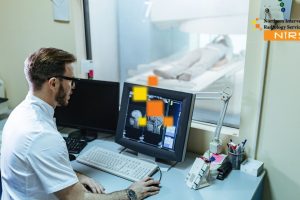
At NIRS, UFE is performed using advanced imaging for maximum precision and safety.
Uterine Fibroid Embolization vs Surgery: What Women Should Know
1️⃣ Invasiveness
Surgery involves cutting and removal of tissue, while UFE requires only a tiny puncture. This makes embolization far less invasive.
2️⃣ Recovery Time
Surgical recovery may take weeks, whereas most UFE patients return to daily activities within a few days.
3️⃣ Fertility Preservation
UFE preserves the uterus, making it a preferred option for women who wish to retain fertility or avoid hysterectomy.
4️⃣ Pain and Scarring
UFE causes less pain and minimal scarring compared to traditional surgery.
5️⃣ Effectiveness
Both treatments are effective, but UFE offers long-term symptom relief without removing the uterus.
This comparison clearly highlights Uterine Fibroid Embolization vs Surgery: What Women Should Know when choosing the safest and most suitable treatment.
Who Is an Ideal Candidate for UFE?
You may be a good candidate for UFE if you:
- Want to avoid surgery
- Wish to preserve your uterus
- Experience moderate to severe fibroid symptoms
- Have fibroids confirmed through imaging
- Prefer a minimally invasive treatment
At NIRS, every patient undergoes a detailed evaluation before treatment recommendations are made.
Why Women Trust NIRS for Fibroid Treatment
Northern Interventional Radiology Services (NIRS) is a trusted name in minimally invasive women’s healthcare.
✔ Expert Interventional Radiologists
Our specialists are trained in advanced fibroid embolization techniques.
✔ State-of-the-Art Imaging
We use ultrasound, CT, MRI, and angiography to guide procedures accurately.
✔ Patient-Centered Care
Each treatment plan is personalized, transparent, and ethically guided.
✔ Proven Clinical Outcomes
High success rates and excellent patient satisfaction set NIRS apart.
Long-Term Results and Quality of Life
Most women experience:
- Reduced menstrual bleeding
- Relief from pelvic pain and pressure
- Improved daily functioning
- Better emotional well-being
Follow-up imaging confirms fibroid shrinkage, ensuring lasting results.
Making the Right Choice for Your Health
Every woman’s situation is unique. Understanding Uterine Fibroid Embolization vs Surgery: What Women Should Know empowers you to choose a treatment aligned with your health goals, lifestyle, and future plans.
At NIRS, we guide you through every step, offering clarity, confidence, and compassionate care.
Book a Consultation at NIRS Today
If uterine fibroids are affecting your life, don’t wait. Contact NIRS (Northern Interventional Radiology Services) today to explore safe, effective, and minimally invasive treatment options tailored to you.