Author name: Admin

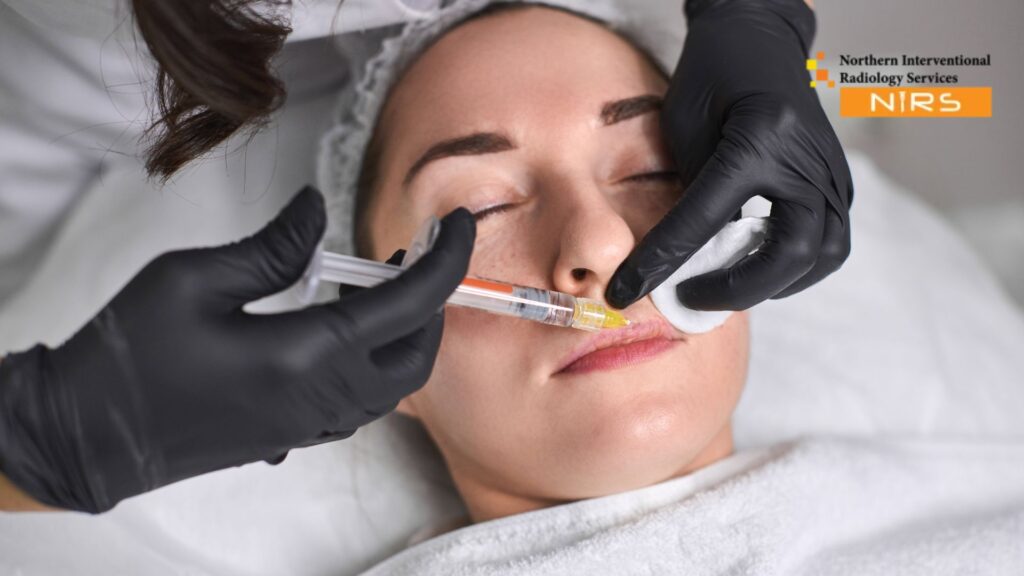
Illustration showing non-surgical pain management as modern alternatives to opioids, highlighting NIRS-guided therapies, minimally invasive treatments, improved patient comfort, reduced reliance on medications, and faster recovery.
Blogs

Effective Non-Surgical Pain Management: Modern Opioid Alternatives

Non-Surgical Pain Management: Modern Alternatives to Opioids | NIRS Chronic pain affects millions worldwide, and traditionally, opioids were the mainstay of treatment. However, the risks associated with long-term opioid use—including dependency, tolerance, and side effects—have prompted a global search for safer, effective alternatives. At NIRS (Northern International Radiology Services), we specialize in non-surgical pain management strategies that combine advanced interventional radiology techniques, evidence-based therapies, and patient-centered care to provide lasting relief without the risks of opioids. Why Non-Surgical Pain Management Matters Pain management is not just about masking symptoms—it’s about addressing the underlying causes and improving quality of life. Non-surgical approaches are particularly valuable for patients who are not candidates for surgery due to age, health conditions, or personal preference. These approaches focus on reducing inflammation, improving mobility, and targeting pain pathways directly, offering relief that is both safe and sustainable. By leveraging modern pain management techniques, NIRS ensures that patients can regain function, return to daily activities, and reduce reliance on medications that carry high risks. Modern Alternatives to Opioids at NIRS Benefits of Non-Surgical Pain Management at NIRS Who Can Benefit? Non-surgical pain management is ideal for patients experiencing: At NIRS, we tailor each treatment plan to the patient’s specific condition, health profile, and personal goals. Our mission is to deliver safe, effective, and personalized pain relief for every individual. The NIRS Advantage With a team of highly skilled interventional radiologists and pain management specialists, NIRS combines advanced technology with compassionate care. Our minimally invasive procedures, cutting-edge regenerative therapies, and personalized care plans make us a leader in non-surgical pain management in Pakistan. Choosing NIRS means choosing: Conclusion The future of pain management lies in minimally invasive, patient-centered approaches that reduce reliance on opioids. NIRS is proud to provide modern alternatives that are safe, effective, and personalized. Whether managing chronic back pain, joint disorders, or nerve-related discomfort, NIRS ensures that every patient receives the highest standard of care without unnecessary risks. At NIRS, non-surgical pain management is more than treatment—it’s a pathway to a pain-free, active, and fulfilling life.


Illustration showing the future of AI in personalized cancer treatment at NIRS, highlighting AI-driven diagnostics, treatment planning, NIRS-guided precision therapies, and improved patient outcomes through advanced personalized oncology care.
Blogs

The Future of AI in Personalized Cancer Treatment at NIRS

The Future of AI in Personalized Cancer Treatment | NIRS combining interventional radiology with cutting-edge artificial intelligence (AI) technologies. The integration of AI into personalized cancer treatment is revolutionizing the way oncology care is delivered, transforming patient outcomes and redefining precision medicine in Pakistan. Cancer treatment has historically relied on standardized protocols, often resulting in treatments that may not fully account for individual variability. With the advent of AI, we can now analyze complex datasets, including genetic information, tumor biology, imaging scans, and patient history, to design personalized treatment plans. This ensures that every patient at NIRS receives the most effective care tailored specifically to their condition. AI and Precision Oncology: A New Era AI algorithms can process vast amounts of medical data far faster than any human could. At NIRS, we utilize AI-driven platforms that assist in tumor detection, treatment planning, and response prediction. For instance, AI-enhanced imaging allows our interventional radiologists to pinpoint tumor locations with unparalleled accuracy, enabling minimally invasive procedures such as Transarterial Chemoembolization (TACE), tumor ablation, or targeted biopsies. Moreover, AI models can predict how a tumor will respond to various treatment modalities, whether it be chemotherapy, radiation, or immunotherapy. This predictive capability reduces trial-and-error approaches, minimizes side effects, and improves survival rates. By leveraging these technologies, NIRS ensures that patients experience faster recovery, fewer complications, and optimized care. How NIRS Integrates AI into Personalized Cancer Care The Future of AI in Personalized Cancer Treatment at NIRS The Future is Bright: AI in Cancer Care The integration of AI into oncology is not just a technological upgrade—it’s a paradigm shift. NIRS envisions a future where cancer treatment is fully personalized, predictive, and patient-focused, with AI guiding every step from diagnosis to recovery. As AI technology evolves, NIRS will continue to adopt and implement the latest tools to enhance precision oncology, from advanced imaging platforms to machine learning algorithms capable of predicting treatment responses before therapy begins. Patients in Pakistan can now experience the benefits of global-level cancer care right at their doorstep. Why Choose NIRS for AI-Powered Personalized Cancer Treatment With years of expertise in interventional radiology, a team of highly skilled doctors like Dr. Atif Nawaz and Dr. Muhammad Ismail, and a commitment to cutting-edge technology, NIRS is your trusted partner in the fight against cancer. Our holistic, AI-driven approach ensures: At NIRS, we are not just treating cancer; we are shaping the future of oncology in Pakistan through the power of AI. Personalized cancer treatment is no longer a distant dream—it is a reality that we deliver every day.

Illustration showing how interventional radiology reduces hospital stay, highlighting minimally invasive NIRS-guided procedures, faster recovery, less pain, shorter admission time, and improved patient outcomes in modern medical care.
Blogs

How Interventional Radiology Reduces Hospital Stay

Revolutionary Care: How Interventional Radiology Reduces Hospital Stay | NIRS In traditional healthcare systems, many medical conditions still require open surgery, prolonged hospital admission, and weeks of recovery. However, modern medicine has evolved. One of the most transformative advancements is Interventional Radiology (IR)—a specialty that has redefined patient care by dramatically reducing hospital stays from weeks to just a few hours At NIRS (Northern Interventional Radiology Services), we specialize in advanced, image-guided, minimally invasive procedures that allow patients to return home the same day, without the trauma of surgery. Understanding Interventional Radiology Interventional Radiology is a medical specialty that uses real-time imaging technologies such as ultrasound, CT scans, and fluoroscopy to diagnose and treat diseases through tiny incisions or needle punctures. Instead of large surgical cuts, IR procedures typically involve: This approach dramatically reduces physical trauma, pain, and recovery time. Why Traditional Surgery Requires Long Hospital Stays Conventional surgeries often involve: As a result, patients may remain hospitalized for 7–21 days, followed by weeks of limited mobility and delayed return to normal life. How Interventional Radiology Changes Everything Interventional Radiology reduces hospital stay through five critical advantages: 1. Minimally Invasive Access IR procedures require only a pin-hole incision, eliminating the need for surgical wounds. This allows the body to heal naturally and faster. 2. Local Anesthesia Instead of General Anesthesia Most IR treatments at NIRS are performed under local anesthesia, reducing anesthesia-related risks and allowing patients to walk within hours. 3. Less Pain, Faster Mobilization Because there is minimal tissue damage, patients experience significantly less pain, enabling early movement and discharge. 4. Reduced Risk of Infection Smaller access points mean a lower risk of hospital-acquired infections, one of the main reasons patients require prolonged admission. 5. Same-Day Discharge Protocols Many IR procedures at NIRS are designed as day-care treatments, meaning patients arrive in the morning and go home the same day. Real Examples: Weeks vs Hours Condition Traditional Surgery Stay Interventional Radiology Stay Uterine Fibroids 5–7 days 6–8 hours Enlarged Prostate 7–10 days Same day Varicocele 3–5 days 2–4 hours Tumor Biopsy 2–3 days 1–2 hours Dialysis Access Repair Admission required Outpatient Who Benefits the Most? Interventional Radiology is especially beneficial for: At NIRS, we often treat patients who were previously told that surgery was the only option. Advanced IR Services at NIRS NIRS provides state-of-the-art Interventional Radiology services including: Each procedure follows international safety protocols and patient-centered care standards. Psychological & Economic Benefits of Shorter Hospital Stay Reducing hospital stay is not only a medical benefit—it also improves: Patients treated at NIRS often express relief at avoiding long hospital admissions. Why Choose NIRS? ✔ Specialized Interventional Radiologists✔ Advanced imaging technology✔ Minimally invasive expertise✔ Patient-focused care✔ Trusted across Northern Pakistan & Azad Kashmir NIRS is committed to delivering world-class interventional radiology with local accessibility. Final Thoughts How Interventional Radiology reduces hospital stay from weeks to hours is not a promise—it is a proven reality. With cutting-edge technology, expert hands, and patient-first protocols, NIRS is transforming healthcare outcomes across Pakistan. If you or a loved one are looking for safe, effective, and fast recovery medical solutions, Interventional Radiology at NIRS offers the future of treatment—today.

Illustration showing Life After Embolization What Patients Can Do the Same Day , including light activities, guided by NIRS monitoring for safe recovery, minimal discomfort, and improved well-being.
Blogs

Life After Embolization: What Patients Can Do the Same Day

Life After Embolization What Patients Can Do the Same Day | NIRS For many patients, the idea of a medical procedure still brings images of long hospital stays, strict bed rest, and weeks of recovery. However, embolization, a key treatment offered through Interventional Radiology, has completely changed this experience. At NIRS (Northern Interventional Radiology Services), embolization procedures are designed to be minimally invasive, safe, and remarkably efficient—allowing most patients to resume light activities within hours of treatment. Understanding life after embolization helps patients feel confident, prepared, and reassured. What Is Embolization? Embolization is a catheter-based, image-guided procedure used to block abnormal blood flow to a specific area of the body. It is commonly used to treat conditions such as: Instead of surgery, interventional radiologists at NIRS use advanced imaging to guide tiny particles or coils through blood vessels to the target area—without large incisions. Why Recovery Is So Fast After Embolization The speed of recovery after embolization is not accidental. It is the result of: These factors make embolization an outpatient or short-stay procedure, enabling rapid return to daily life. Life After Embolization: The Same-Day Experience One of the most common questions patients ask is:“What can I do after embolization on the same day?” Here is what most patients at NIRS can expect: 1. Walking Within Hours After a short observation period, patients are usually encouraged to: This early movement helps improve circulation and reduces complications associated with prolonged bed rest. 2. Eating Light Meals Most embolization patients can: Unlike surgery, embolization does not significantly affect digestion or bowel function. 3. Returning Home the Same Day In many cases, patients are: This same-day discharge is a major benefit of embolization at NIRS. 4. Using Mobile Phones & Light Screen Time Patients can safely: There is no cognitive impairment from general anesthesia, making recovery mentally easier. 5. Managing Mild Discomfort Easily Post-embolization discomfort is usually: Most patients describe the sensation as soreness rather than pain. 6. Personal Care Activities On the same day, many patients can: This independence significantly boosts confidence and comfort. What Patients Should Avoid the Same Day While embolization allows quick recovery, patients are advised to avoid: These precautions ensure smooth healing and optimal outcomes. Emotional & Psychological Benefits Life after embolization is not only physically easier—it is emotionally reassuring. Patients often feel: At NIRS, patient counseling before and after embolization plays a key role in reducing fear and improving satisfaction. Conditions Treated with Embolization at NIRS NIRS provides embolization treatments for: Each procedure follows international standards and patient-specific planning. Who Benefits Most from Same-Day Recovery? Embolization is ideal for: Many patients who were previously advised surgery find embolization to be a life-changing alternative. Why Choose NIRS for Embolization? ✔ Specialized interventional radiology expertise✔ Advanced imaging-guided procedures✔ Minimal hospital stay protocols✔ Patient-focused care✔ Trusted services across Northern Pakistan NIRS is committed to safe, effective, and patient-friendly treatments. Final Thoughts Life after embolization is defined by freedom—freedom from long hospital stays, surgical scars, and delayed recovery. Understanding what patients can do the same day empowers individuals to make informed decisions about their healthcare. At NIRS, embolization is not just a procedure—it is a pathway to faster healing and better quality of life.

Illustration showing why stitches are becoming obsolete in modern medical treatments, highlighting NIRS-guided minimally invasive procedures, advanced wound closure techniques, faster healing, reduced scarring, and improved patient safety.
Blogs

Why Stitches Are Becoming Obsolete in Modern Medical Treatments

Why Stitches Are Becoming Obsolete in Modern Medical Treatments | NIRS For decades, surgical stitches were the standard method to close wounds after surgery. While effective, stitches come with drawbacks: pain, scarring, infection risk, and extended recovery time. Thanks to advances in Interventional Radiology (IR) and minimally invasive techniques, the need for stitches is decreasing—and healthcare is evolving. At NIRS (Northern Interventional Radiology Services), we specialize in treatments that minimize trauma, reduce hospital stays, and often eliminate the need for stitches entirely. Understanding why stitches are becoming obsolete can help patients make informed healthcare choices. The Traditional Role of Stitches Stitches (sutures) have historically been used to: However, suturing involves: For many patients, especially those who need faster recovery, stitches present a significant inconvenience. Modern Alternatives to Stitches With modern medical treatments, stitches are increasingly replaced by: At NIRS, these techniques reduce trauma, speed healing, and minimize complications. How Interventional Radiology Eliminates the Need for Stitches Interventional Radiology (IR) uses real-time imaging to guide precise tools through blood vessels or small entry points. Because the procedure avoids large cuts: Many procedures, such as uterine fibroid embolization, prostate artery embolization, and varicocele treatment, no longer require sutures. Patients may go home the same day, with only a small puncture that heals naturally. Benefits of Stitch-Free Treatments Real-Life Examples Procedure Traditional Surgery (Stitches) Modern IR Treatment (Stitch-Free) Uterine Fibroid Treatment Large abdominal incision UFE via small catheter puncture Prostate Enlargement Open prostatectomy PAE via artery access Varicocele Scrotal incision Embolization via vein puncture Liver Tumor Open surgery Chemoembolization via catheter Bleeding Control Surgical repair Embolization via IR techniques Who Benefits Most From Stitch-Free Treatments? At NIRS, many patients who were previously told surgery with stitches was necessary now benefit from minimally invasive, stitch-free alternatives. Psychological & Lifestyle Advantages Stitch-free procedures improve more than just physical recovery: Patients at NIRS often report better confidence and comfort compared to traditional surgery. Why Choose NIRS for Stitch-Free Treatments? ✔ Expert Interventional Radiologists✔ Advanced imaging-guided procedures✔ Minimally invasive & stitch-free options✔ Patient-centered care✔ Trusted across Northern Pakistan & Azad Kashmir At NIRS, we combine cutting-edge technology with compassionate care to ensure patients heal faster, safer, and more comfortably. Final Thoughts The era of stitches is fading. With modern interventional radiology treatments, patients experience less pain, minimal scarring, faster recovery, and same-day discharge. At NIRS, stitch-free procedures are not just an innovation—they are a standard of care, giving patients better outcomes and improved quality of life.

Illustration showing how modern radiology treats diseases beyond diagnosis, highlighting NIRS-guided minimally invasive procedures, targeted therapies, faster recovery, and improved patient outcomes across various medical conditions.
Blogs

How Modern Radiology Treats Diseases Beyond Diagnosis

How Modern Radiology Treats Diseases Beyond Diagnosis | NIRS For decades, radiology was primarily a diagnostic tool—X-rays, CT scans, and MRIs helped doctors see inside the body to identify disease. While these technologies remain invaluable, the field has evolved. Today, modern radiology actively treats diseases, transforming patient care by combining imaging and minimally invasive interventions. At NIRS (Northern Interventional Radiology Services), we specialize in therapeutic interventional radiology (IR), offering procedures that heal, not just detect, reducing hospital stays, complications, and recovery time. The Evolution from Diagnostic to Therapeutic Radiology Traditional radiology is passive: it provides images that guide surgeons or physicians. In contrast, interventional radiology merges imaging and treatment. Using real-time guidance, IR specialists can: This shift has made radiology an active participant in treatment, not just observation. Examples of Diseases Treated by Modern Radiology Key Advantages of Therapeutic Radiology Real-Life Impact: Weeks vs Hours Condition Traditional Treatment Modern IR Treatment at NIRS Uterine Fibroids Open surgery, 5–7 days UFE, same-day or 6–8 hrs Enlarged Prostate Prostatectomy, 7–10 days PAE, same-day discharge Varicocele Surgical ligation, 3–5 days Embolization, 2–4 hrs Liver Tumor Open tumor resection Chemoembolization via catheter Internal Bleeding Surgery, days-long hospital stay Targeted IR embolization This demonstrates how modern radiology is actively healing patients, not just diagnosing them. Who Benefits Most from Therapeutic Radiology? At NIRS, we treat patients who were previously advised open surgery, providing safer, faster, and more comfortable solutions. Psychological & Lifestyle Advantages Therapeutic radiology enhances more than physical recovery: Patients treated at NIRS often report improved mental well-being alongside physical recovery. Why Choose NIRS for Modern Radiology Treatments? ✔ Highly experienced interventional radiologists✔ State-of-the-art imaging and IR technology✔ Minimally invasive, stitch-free procedures✔ Patient-first protocols with detailed counseling✔ Trusted across Northern Pakistan & Azad Kashmir At NIRS, diagnosis and treatment converge, providing a seamless and effective healthcare experience. Final Thoughts Modern radiology treats diseases beyond diagnosis, offering patients faster, safer, and less invasive solutions. At NIRS, our interventional radiology procedures exemplify this new face of medicine—where imaging is not just for seeing, but for healing. For patients seeking precision care, minimal downtime, and same-day recovery, NIRS represents the cutting edge of medical innovation in Pakistan.

Illustration showing advanced breast tumor marker clip placement in Pakistan, highlighting NIRS-guided precision, accurate tumor localization, minimal tissue disruption, and enhanced surgical outcomes for safe and effective cancer care.
Blogs

Advanced Breast Tumor Marker Clip Placement: Precision in Cancer Care

Advanced Breast Tumor Marker Clip Placement – Precision Cancer Care | Pakistan Breast cancer remains one of the most common cancers affecting women worldwide. Early detection and precise treatment planning are critical for successful outcomes. However, many breast tumors are small, non-palpable, or located deep in breast tissue, making them difficult to locate for biopsy or surgery. Breast tumor marker clip placement is a cutting-edge interventional radiology procedure that addresses this challenge. At NIRS (Northern Interventional Radiology Services), we perform advanced, image-guided marker placements to ensure accuracy, safety, and improved patient outcomes. This procedure represents the next evolution in breast cancer care—precision combined with minimal invasiveness, reducing stress, discomfort, and recovery time for patients. What Is Advanced Breast Tumor Marker Clip Placement? A breast tumor marker clip is a small, biocompatible device placed inside or near a tumor under ultrasound, mammography, or stereotactic guidance. Its primary purposes are: Unlike traditional surgical markers, the procedure is minimally invasive, performed under local anesthesia, and generally completed within 30–60 minutes. Why Precision Matters in Breast Cancer Treatment Precision in breast cancer care is critical for: How the Procedure Works Advantages of Marker Clip Placement Who Benefits Most from Marker Clip Placement? At NIRS, each patient receives personalized counseling, ensuring they understand the procedure, its benefits, and post-placement care. Real-Life Impact Condition Traditional Approach Marker Clip Placement at NIRS Small breast tumor Open surgery or large incision Marker clip placement with minimally invasive biopsy Tumor shrinking after chemo Difficulty locating tumor Clip maintains precise localization Radiation therapy Broad-field treatment Targeted radiation using clip reference Multiple lesions Surgical uncertainty Accurate mapping of all tumor sites Marker clips significantly improve surgical precision, reduce unnecessary tissue removal, and streamline the overall treatment process. Post-Procedure Care and Life After Marker Placement Most patients experience: It is important to avoid heavy lifting or strenuous exercise for 24–48 hours. NIRS provides detailed guidance to ensure optimal healing and peace of mind. Why Choose NIRS for Breast Tumor Marker Clip Placement? ✔ Expert Interventional Radiologists trained in advanced breast imaging✔ State-of-the-art imaging equipment for ultrasound, mammography, and stereotactic guidance✔ Minimally invasive procedures with same-day discharge✔ Patient-centered care with counseling and follow-up✔ Trusted across Northern Pakistan and Azad Kashmir At NIRS, we combine precision, safety, and comfort to provide world-class breast cancer care. Final Thoughts Advanced Breast Tumor Marker Clip Placement is a revolutionary tool in modern breast cancer management. It ensures precise localization, supports minimally invasive surgery, aids radiation planning, and improves overall patient outcomes. With NIRS, patients benefit from state-of-the-art interventional radiology, reduced hospital stays, faster recovery, and peace of mind—making it the preferred choice for advanced breast care in Pakistan.

Illustration showing the best breast tumor marker clip placement, highlighting precise NIRS-guided tumor localization, minimal tissue disruption, and accurate surgical planning, providing everything you need to know for safe and effective procedures.
Blogs

Everything You Need to Know About Breast Tumor Marker Clip Placement

Best Breast Tumor Marker Clip Placement: Everything You Need to Know Breast cancer diagnosis and treatment have evolved dramatically in recent years. Modern technology allows for early detection, accurate diagnosis, and precise treatment planning, significantly improving outcomes. One of the most important innovations in breast cancer care is breast tumor marker clip placement. At NIRS (Northern Interventional Radiology Services), we specialize in image-guided, minimally invasive placement of tumor marker clips. This procedure helps physicians locate tumors accurately for surgery, biopsy, and radiation therapy, providing patients with safe, effective, and patient-friendly care. What Is a Breast Tumor Marker Clip? A breast tumor marker clip is a tiny, biocompatible marker placed into a breast lesion using ultrasound, mammography, or stereotactic guidance. Its primary functions include: The procedure is minimally invasive, performed under local anesthesia, and usually takes less than 30 minutes. It is considered safe and effective, allowing patients to resume normal activities quickly. Why Is Marker Clip Placement Important? Tumors, especially small or deep-seated lesions, may be difficult to locate after chemotherapy or during surgery. Marker clips provide: How Is the Procedure Performed? Step 1: Pre-Procedure Imaging Step 2: Local Anesthesia Step 3: Clip Insertion Step 4: Verification Step 5: Post-Procedure Care Benefits of Breast Tumor Marker Clip Placement Who Should Consider a Marker Clip? At NIRS, we provide personalized counseling to ensure patients understand the procedure, its benefits, and post-placement care. Life After Marker Clip Placement After placement, patients typically experience: Patients are advised to avoid heavy lifting or strenuous activity for 24–48 hours. Real-Life Impact Condition Traditional Surgery Marker Clip Placement at NIRS Small breast tumor Open surgery or large incision Minimally invasive clip placement Tumor shrinking after chemo Difficult to locate Clip maintains precise localization Radiation therapy Broad-field treatment Targeted therapy using clip reference Multiple lesions Surgical uncertainty Accurate mapping of all tumor sites The marker clip ensures precise tumor localization, reducing unnecessary tissue removal and optimizing treatment outcomes. Why Choose NIRS for Breast Tumor Marker Clip Placement? ✔ Expert interventional radiologists trained in advanced breast imaging✔ State-of-the-art imaging guidance for ultrasound, mammography, and stereotactic procedures✔ Minimally invasive and patient-friendly approach✔ Same-day discharge for faster recovery✔ Trusted across Northern Pakistan and Azad Kashmir At NIRS, precision, safety, and patient comfort are our top priorities. Final Thoughts Breast tumor marker clip placement is a game-changer in modern breast cancer care. By ensuring accurate localization, supporting minimally invasive surgery, and improving radiation therapy targeting, it provides better outcomes and faster recovery. At NIRS, we combine advanced imaging, interventional radiology expertise, and patient-centered care to make this procedure safe, effective, and stress-free. For anyone seeking precision, safety, and minimally invasive breast cancer treatment, NIRS is the trusted choice in Northern Pakistan.

Illustration of premium minimally invasive breast marker placement, showing NIRS-guided precise tumor localization, safe insertion, minimal tissue disruption, and accurate placement for enhanced patient care and optimal surgical outcomes.
Blogs

Premium Minimally Invasive Breast Marker Placement: Safe and Accurate Procedure

Premium Minimally Invasive Breast Marker Placement – Safe and Accurate Care | NIRS Breast cancer management has advanced remarkably over the last decade. Modern imaging and interventional radiology techniques allow early detection, precise localization, and targeted treatment. Among these, minimally invasive breast marker placement has emerged as a key innovation. At NIRS (Northern Interventional Radiology Services), we perform safe, accurate, and minimally invasive breast marker placements, providing patients with high precision, minimal discomfort, and faster recovery. This procedure is especially vital for small, hard-to-detect breast lesions or tumors that may shrink during chemotherapy. What Is Breast Marker Placement? A breast marker, also called a tumor marker clip, is a tiny, biocompatible device inserted into or near a breast lesion using ultrasound, mammography, or stereotactic guidance. The marker serves multiple purposes: Why Minimally Invasive Marker Placement Is Important Breast tumors are often small, non-palpable, or located deep within the breast, making precise localization challenging. Without marker placement: Minimally invasive breast marker placement solves these issues, ensuring precision and safety throughout the patient’s treatment journey. How the Procedure Is Performed Step 1: Pre-Procedure Imaging Step 2: Local Anesthesia Step 3: Marker Placement Step 4: Verification Step 5: Post-Procedure Care This minimally invasive approach ensures patient comfort and avoids the risks of traditional surgery. Advantages of Minimally Invasive Breast Marker Placement Who Should Consider Breast Marker Placement? At NIRS, patients receive personalized counseling, ensuring they understand the procedure, benefits, and post-care instructions. Life After Marker Placement After the procedure, patients typically experience: Patients are advised to avoid strenuous exercise or heavy lifting for 24–48 hours to ensure optimal healing. Real-Life Impact Condition Traditional Surgery Minimally Invasive Marker Placement at NIRS Small breast tumor Large incision Tiny puncture with marker placement Tumor shrinking after chemo Difficult to locate Marker maintains localization Radiation therapy Broad field Precise targeting with marker reference Multiple lesions Uncertainty in surgery Accurate mapping of all lesions This highlights how minimally invasive marker placement improves accuracy, reduces tissue removal, and optimizes treatment outcomes. Why Choose NIRS for Breast Marker Placement? ✔ Expert interventional radiologists trained in advanced breast imaging✔ State-of-the-art guidance technology for ultrasound, mammography, and stereotactic procedures✔ Minimally invasive approach for patient comfort✔ Same-day outpatient recovery for convenience✔ Trusted across Northern Pakistan and Azad Kashmir At NIRS, we prioritize precision, safety, and patient-centered care, ensuring the best possible outcome for every patient. Final Thoughts Minimally invasive breast marker placement is a revolutionary procedure in modern breast cancer management. It ensures precise tumor localization, supports minimally invasive surgery, and aids radiation therapy, improving patient outcomes while reducing recovery time. At NIRS, we combine cutting-edge interventional radiology technology with personalized patient care, making breast marker placement safe, accurate, and stress-free. For women seeking precision, safety, and minimally invasive breast care, NIRS is the trusted choice in Northern Pakistan.

Illustration showing how breast tumor marker clips improve surgical accuracy, with NIRS guidance highlighting precise tumor localization, minimized healthy tissue removal, and enhanced outcomes for safer, more effective breast cancer surgery.
Blogs

How Breast Tumor Marker Clips Improve Surgical Accuracy | NIRS

How Breast Tumor Marker Clips Improve Surgical Accuracy | NIRS Breast cancer treatment is evolving rapidly, with a strong focus on precision, safety, and minimally invasive care. One of the most important advancements in modern breast cancer surgery is the use of breast tumor marker clips. At NIRS (Northern Interventional Radiology Services), we perform advanced image-guided marker placement, ensuring that surgeons can accurately locate tumors, remove them effectively, and preserve healthy breast tissue. This approach has significantly improved surgical outcomes, cosmetic results, and patient satisfaction. What Are Breast Tumor Marker Clips? Breast tumor marker clips are tiny, biocompatible devices placed inside or near a breast tumor under ultrasound, mammography, or stereotactic guidance. The markers serve several key purposes: Placement is minimally invasive, performed under local anesthesia, and usually takes less than 30 minutes. Most patients can go home the same day. Why Breast Tumor Marker Clips Improve Surgical Accuracy? Marker clips are essential because breast tumors can be difficult to locate, especially after chemotherapy or in dense breast tissue. They provide: How the Procedure Works Step 1: Pre-Procedure Imaging Step 2: Local Anesthesia Step 3: Clip Placement Step 4: Verification Step 5: Post-Procedure Care This minimally invasive technique significantly reduces surgical uncertainty and improves outcomes. Advantages of Breast Tumor Marker Clips Who Benefits From Marker Clip Placement? At NIRS, each patient receives personalized counseling, explaining the procedure, benefits, and post-care recommendations. Life After Marker Placement Patients typically experience: Patients are usually advised to avoid heavy lifting or strenuous exercise for 24–48 hours for optimal healing. Real-Life Impact Condition Traditional Surgery Marker Clip Placement at NIRS Small breast tumor Large incision, tissue removal Minimally invasive, precise localization Tumor shrinkage post-chemo Hard to locate Clip maintains accurate localization Radiation therapy Broad-field targeting Precise radiation planning Multiple lesions Surgical uncertainty Accurate mapping and excision of all tumors This demonstrates how marker clips reduce surgical uncertainty, minimize tissue removal, and improve overall outcomes. Why Choose NIRS for Breast Tumor Marker Clips? ✔ Expert interventional radiologists trained in advanced breast imaging✔ State-of-the-art ultrasound, mammography, and stereotactic guidance✔ Minimally invasive procedures with same-day recovery✔ Patient-centered care with counseling and follow-up✔ Trusted across Northern Pakistan and Azad Kashmir At NIRS, we prioritize accuracy, safety, and patient comfort, ensuring every patient benefits from advanced breast cancer care. Final Thoughts Breast tumor marker clips are revolutionizing breast cancer surgery. They provide precise localization, support minimally invasive surgery, guide radiation therapy, and ultimately improve patient outcomes. At NIRS, we combine cutting-edge interventional radiology technology with personalized patient care, making this procedure safe, accurate, and minimally invasive. For patients seeking precision, safety, and faster recovery, NIRS is the trusted choice in Northern Pakistan.