Revolutionary Care: How Interventional Radiology Reduces Hospital Stay | NIRS
In traditional healthcare systems, many medical conditions still require open surgery, prolonged hospital admission, and weeks of recovery. However, modern medicine has evolved. One of the most transformative advancements is Interventional Radiology (IR)—a specialty that has redefined patient care by dramatically reducing hospital stays from weeks to just a few hours
At NIRS (Northern Interventional Radiology Services), we specialize in advanced, image-guided, minimally invasive procedures that allow patients to return home the same day, without the trauma of surgery.
Understanding Interventional Radiology
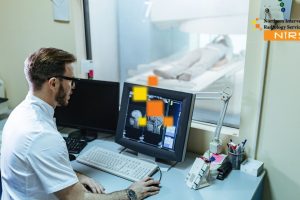
Interventional Radiology is a medical specialty that uses real-time imaging technologies such as ultrasound, CT scans, and fluoroscopy to diagnose and treat diseases through tiny incisions or needle punctures.
Instead of large surgical cuts, IR procedures typically involve:
- A needle-sized entry point
- Catheters thinner than a pen
- Local anesthesia instead of general anesthesia
This approach dramatically reduces physical trauma, pain, and recovery time.
Why Traditional Surgery Requires Long Hospital Stays
Conventional surgeries often involve:
- Large incisions
- General anesthesia
- Significant blood loss
- High risk of infection
- Post-operative pain management
- Long bed rest and monitoring
As a result, patients may remain hospitalized for 7–21 days, followed by weeks of limited mobility and delayed return to normal life.
How Interventional Radiology Changes Everything
Interventional Radiology reduces hospital stay through five critical advantages:
1. Minimally Invasive Access
IR procedures require only a pin-hole incision, eliminating the need for surgical wounds. This allows the body to heal naturally and faster.
2. Local Anesthesia Instead of General Anesthesia
Most IR treatments at NIRS are performed under local anesthesia, reducing anesthesia-related risks and allowing patients to walk within hours.
3. Less Pain, Faster Mobilization
Because there is minimal tissue damage, patients experience significantly less pain, enabling early movement and discharge.
4. Reduced Risk of Infection
Smaller access points mean a lower risk of hospital-acquired infections, one of the main reasons patients require prolonged admission.
5. Same-Day Discharge Protocols
Many IR procedures at NIRS are designed as day-care treatments, meaning patients arrive in the morning and go home the same day.
Real Examples: Weeks vs Hours
| Condition | Traditional Surgery Stay | Interventional Radiology Stay |
|---|---|---|
| Uterine Fibroids | 5–7 days | 6–8 hours |
| Enlarged Prostate | 7–10 days | Same day |
| Varicocele | 3–5 days | 2–4 hours |
| Tumor Biopsy | 2–3 days | 1–2 hours |
| Dialysis Access Repair | Admission required | Outpatient |
Who Benefits the Most?
Interventional Radiology is especially beneficial for:
- Elderly patients
- Heart or lung disease patients
- Diabetics
- Patients unfit for surgery
- Those seeking faster recovery
- Working professionals who cannot afford long hospital stays
At NIRS, we often treat patients who were previously told that surgery was the only option.
Advanced IR Services at NIRS
NIRS provides state-of-the-art Interventional Radiology services including:
- Uterine Fibroid Embolization (UFE)
- Prostate Artery Embolization (PAE)
- Varicocele Embolization
- Image-Guided Tumor Biopsies
- Dialysis Access Interventions
- Liver Cancer Treatments (TACE)
- Pain Management Procedures
Each procedure follows international safety protocols and patient-centered care standards.
Psychological & Economic Benefits of Shorter Hospital Stay
Reducing hospital stay is not only a medical benefit—it also improves:
- Mental well-being
- Family comfort
- Reduced medical expenses
- Lower loss of workdays
- Faster return to routine life
Patients treated at NIRS often express relief at avoiding long hospital admissions.
Why Choose NIRS?
✔ Specialized Interventional Radiologists
✔ Advanced imaging technology
✔ Minimally invasive expertise
✔ Patient-focused care
✔ Trusted across Northern Pakistan & Azad Kashmir
NIRS is committed to delivering world-class interventional radiology with local accessibility.
Final Thoughts
How Interventional Radiology reduces hospital stay from weeks to hours is not a promise—it is a proven reality. With cutting-edge technology, expert hands, and patient-first protocols, NIRS is transforming healthcare outcomes across Pakistan.
If you or a loved one are looking for safe, effective, and fast recovery medical solutions, Interventional Radiology at NIRS offers the future of treatment—today.