Advanced Vascular Treatment in Abbottabad | NIRS
Healthy blood circulation is essential for life. When arteries or veins become blocked, narrowed, or damaged, the body suffers from vascular diseases that affect mobility, comfort, and even survival. Unfortunately, many people ignore early symptoms such as leg swelling, varicose veins, or poor circulation, thinking they are minor issues. Left untreated, these symptoms can progress to blood clots, stroke, or even organ damage.
With the advancement of interventional radiology (IR), patients no longer have to rely only on open surgery for vascular treatment. Using minimally invasive, image-guided techniques, interventional radiologists restore blood flow effectively and safely. At Northern Interventional Radiology Services (NIRS) Abbottabad, patients across Pakistan now have access to world-class vascular care that was once limited to major metropolitan hospitals abroad.
This blog explores vascular disease symptoms, risks of ignoring them, modern IR treatments, and lifestyle guidance after recovery.
Symptoms of Vascular Diseases
Vascular disease affects both arteries (blood vessels carrying blood away from the heart) and veins (vessels returning blood back to the heart). Symptoms vary depending on the condition but often start gradually. Recognizing them early ensures timely treatment.
1. Leg Swelling
- Persistent swelling in the ankles or calves.
- Can be a sign of venous insufficiency (weak valves in veins) or deep vein thrombosis (DVT).
2. Varicose Veins
- Enlarged, twisted, and bulging veins visible under the skin.
- Often accompanied by aching, heaviness, or itching.
- Cosmetic concern but may also indicate underlying circulation issues.
3. Leg Pain or Cramps
- Pain during walking that improves with rest (known as claudication).
- May signal peripheral artery disease (PAD), a narrowing of arteries that reduces blood flow.
4. Non-Healing Ulcers
- Open wounds on the legs or feet that do not heal properly.
- Often linked to poor circulation in diabetics and vascular patients.
5. Cold Feet or Poor Circulation
- Constantly cold toes or discolored feet.
- Indicates restricted blood flow that can progress to serious arterial blockages.
👉 If ignored, these symptoms may progress silently, leading to life-threatening complications.
Risks of Ignoring Vascular Problems
Neglecting vascular symptoms can have severe consequences.
- Blood Clots (DVT & Pulmonary Embolism): Clots in deep veins can travel to the lungs, causing sudden shortness of breath and even death.
- Stroke: Blocked or narrowed arteries in the neck (carotid arteries) can cut off blood supply to the brain.
- Limb Loss: Severe arterial blockages can result in tissue death, requiring amputation.
- Organ Damage: Poor circulation affects kidneys, intestines, and other vital organs.
The earlier vascular issues are diagnosed, the more successful and minimally invasive the treatment.
Interventional Radiology Solutions for Vascular Disease
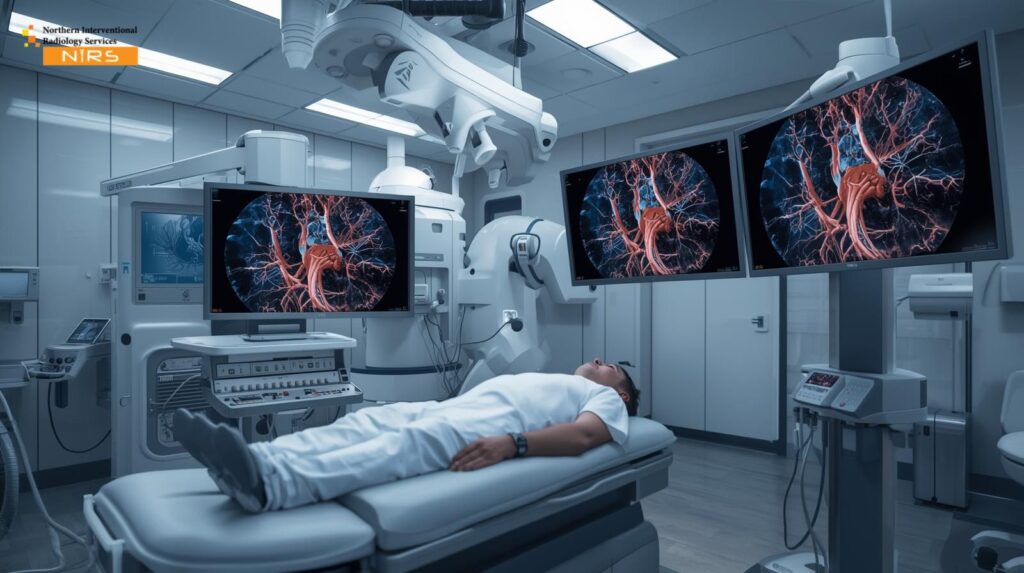
Interventional radiology is revolutionizing vascular care by offering nonsurgical, targeted treatments. Using imaging guidance (ultrasound, CT, or X-ray), interventional radiologists treat blood vessels with precision.
1. Angioplasty
- A tiny balloon is inserted into a blocked artery and inflated to widen it.
- Restores normal blood flow without the need for open surgery.
- Commonly used in peripheral artery disease.
2. Stenting
- A small metal mesh tube (stent) is placed inside an artery to keep it open.
- Prevents arteries from narrowing again after angioplasty.
- Used in carotid, leg, and coronary arteries.
3. Embolization
- Blocks abnormal or diseased blood vessels.
- Used for varicose veins, aneurysms, and bleeding control.
- Minimizes complications while preserving healthy tissue.
4. Clot Removal (Thrombectomy & Thrombolysis)
- Specialized catheters remove or dissolve dangerous blood clots.
- Life-saving in cases of DVT, pulmonary embolism, or stroke.
At NIRS Abbottabad, these procedures are performed with state-of-the-art imaging equipment, ensuring accuracy, safety, and excellent outcomes.
Benefits of Interventional Radiology for Vascular Treatment
Compared to open vascular surgery, interventional radiology offers multiple advantages:
- ✅ No large incisions – procedures are performed through tiny punctures.
- ✅ Faster recovery – most patients go home the same or next day.
- ✅ Less pain – minimally invasive approach reduces discomfort.
- ✅ Effective outcomes – restores circulation with long-lasting results.
- ✅ Safer option – especially for elderly or high-risk patients.
This makes IR a preferred choice for vascular treatment in modern medicine.
Patient Lifestyle Guidance After Treatment
Successful treatment is only the first step. Maintaining vascular health requires lifestyle changes to prevent recurrence.
Post-Treatment Guidelines:
- Stay Active
- Walk daily to improve blood circulation.
- Avoid sitting or standing for long periods.
- Eat a Heart-Healthy Diet
- Reduce salt, fried food, and unhealthy fats.
- Increase intake of fruits, vegetables, and whole grains.
- Control Risk Factors
- Manage diabetes, hypertension, and cholesterol with medical advice.
- Quit smoking immediately—smoking is the #1 risk factor for vascular disease.
- Wear Compression Stockings
- Helpful for varicose veins and venous insufficiency.
- Prevents blood pooling in the legs.
- Regular Follow-ups
- Imaging tests to monitor stents, arteries, or veins.
- Early detection of new blockages or complications.
At NIRS Abbottabad, patients receive personalized lifestyle counseling along with treatment, ensuring long-term vascular health.
Why Choose NIRS Abbottabad for Vascular Care?
- Advanced interventional radiology expertise for complex vascular conditions.
- International-quality imaging technology for precise procedures.
- Minimally invasive vascular treatments in Pakistan without the need for surgery.
- Personalized patient care from diagnosis to long-term follow-up.
Conclusion
Ignoring vascular symptoms such as swelling, varicose veins, pain, or poor circulation can put your life at risk. Left untreated, vascular disease may lead to blood clots, stroke, or organ damage.
With the help of interventional radiology techniques like angioplasty, stenting, embolization, and clot removal, restoring healthy blood flow is now safer, quicker, and more effective than ever before.
At NIRS Abbottabad, patients benefit from state-of-the-art imaging and minimally invasive vascular treatments in Pakistan, ensuring faster recovery and lasting relief.
👉 If you are experiencing leg swelling, varicose veins, or poor circulation, don’t delay. Seek professional vascular care today—because early action saves lives.