Pain Relief Treatment in Abbottabad with Radiology | NIRS
Chronic pain is one of the most common health challenges worldwide. It affects millions of people and significantly impacts their quality of life, productivity, and emotional well-being. From back pain and joint stiffness to nerve-related discomfort, patients often struggle with daily activities, sleep disturbances, and long-term stress.
Traditional treatments—such as oral medications, physiotherapy, or even surgery—do not always provide lasting relief. Many patients are left searching for safe, effective, and minimally invasive alternatives. This is where Interventional Radiology (IR) plays a transformative role.
At Northern Interventional Radiology Services (NIRS) Abbottabad, patients benefit from image-guided pain management techniques that directly target the source of pain, offering quicker recovery and longer-lasting comfort.
In this blog, we’ll explore common symptoms of chronic pain, why standard methods often fall short, and how image-guided treatments like nerve blocks, epidural injections, and joint injections provide lasting relief.

Symptoms of Chronic Pain
Chronic pain is defined as discomfort lasting for three months or more, often persisting despite conventional treatments. The symptoms may vary depending on the underlying cause but often include:
- Back Pain: Persistent stiffness, muscle spasms, or sharp pain radiating down the legs (sciatica).
- Joint Pain: Swelling, stiffness, or limited mobility in knees, shoulders, or hips.
- Neck Pain: Chronic stiffness, headaches, or pain radiating to arms and shoulders.
- Arthritis Pain: Ongoing discomfort in weight-bearing joints due to inflammation.
- Nerve Pain: Burning, tingling, or shooting sensations caused by irritated nerves.
These symptoms are not just uncomfortable—they can limit independence, mobility, and emotional health, leading to frustration, depression, or anxiety.
Why Traditional Pain Treatments May Not Be Ideal
While many patients first turn to medications or physical therapy, these solutions often provide only temporary relief.
- Painkillers: Over-reliance on strong medications can cause side effects, dependency, or reduced effectiveness over time.
- Physiotherapy Alone: Helpful for mild conditions but often insufficient for chronic or severe pain.
- Surgery: Invasive, costly, and associated with longer recovery times—making it a last resort for many patients.
For patients looking for a safe, non-surgical solution, interventional radiology pain treatments offer an ideal option.
Image-Guided Pain Management Solutions
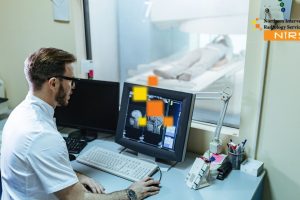
Interventional radiologists use real-time imaging technology (ultrasound, CT, fluoroscopy) to precisely target the source of pain. This ensures maximum accuracy, minimal side effects, and long-lasting results.
1. Nerve Blocks
- A small dose of anesthetic or anti-inflammatory medication is injected around a specific nerve.
- Helps in conditions like sciatica, neck pain, or neuropathic pain.
- Provides immediate and long-term relief.
2. Epidural Injections
- Medicine is delivered directly into the epidural space around the spinal cord.
- Used for back pain, slipped discs, or spinal arthritis.
- Reduces inflammation, relieves nerve compression, and improves mobility.
3. Joint Injections
- Steroid or lubricating medication is injected directly into painful joints (knee, hip, or shoulder).
- Helps patients with arthritis or sports injuries regain mobility.
- Offers relief without the risks of joint replacement surgery.
At NIRS Abbottabad, these procedures are performed under expert supervision, ensuring precision, safety, and patient comfort.
Benefits of Interventional Radiology for Pain Relief
Patients prefer IR pain management techniques because they offer:
- ✅ Minimally invasive approach – no open surgery required.
- ✅ Quick recovery – most patients resume normal activity within a day or two.
- ✅ Targeted relief – medication delivered exactly where it’s needed.
- ✅ Reduced side effects compared to oral painkillers.
- ✅ Long-lasting outcomes, helping patients avoid repeated hospital visits.
Patient Advice: When to Seek Professional Help
It is important not to ignore persistent pain, especially if it is:
- Lasting longer than three months.
- Interfering with daily life, work, or sleep.
- Spreading to other areas (e.g., leg pain caused by a back problem).
- Not improving with routine medications or physiotherapy.
Early consultation with an interventional radiologist ensures that pain is managed effectively before it worsens.
Why Choose NIRS Abbottabad for Pain Management?
- Specialized expertise in image-guided pain relief.
- Advanced diagnostic imaging technology for precise targeting.
- Customized treatment plans designed for each patient’s unique pain condition.
- Compassionate patient care ensuring safety, comfort, and long-term wellness.
Patients from across Pakistan—Islamabad, Rawalpindi, KPK, and northern regions—visit NIRS for world-class pain relief services without traveling abroad.
Conclusion
Chronic pain is not just a physical condition—it affects mental health, work performance, and overall happiness. While medications and surgeries often provide limited solutions, interventional radiology offers safe, effective, and minimally invasive pain relief treatments.
Through nerve blocks, epidural injections, and joint injections, patients can enjoy lasting relief, quick recovery, and improved quality of life.
At NIRS Abbottabad, image-guided pain management is helping countless patients return to normal life—pain-free and confident.
👉 If you or a loved one is struggling with persistent pain, don’t wait. Book a consultation with NIRS Abbottabad, and take the first step toward lasting relief.