Interventional Radiology Minimizing Surgery and Recovery Time
Modern medicine is moving toward safer, faster, and more patient-friendly procedures, and interventional radiology (IR) is at the forefront of this transformation. Unlike traditional surgery, which often requires large incisions, general anesthesia, and extended hospital stays, IR provides minimally invasive alternatives that significantly reduce both surgery and recovery time.
At Northern Interventional Radiology Services (NIRS), we specialize in cutting-edge image-guided treatments that allow patients to heal faster, experience less pain, and return to their daily activities sooner.
Understanding Minimally Invasive Interventional Radiology
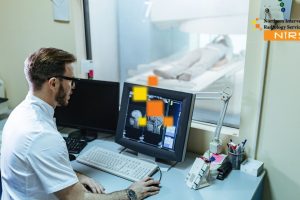
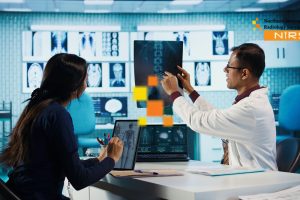
Interventional radiology involves using real-time imaging techniques such as ultrasound, CT scans, and fluoroscopy to guide tiny instruments or catheters to target areas in the body. Treatments can range from vascular interventions to tumor ablation, fibroid embolization, and organ-specific procedures.
Key advantages of IR include:
- Tiny incisions instead of open surgery
- Local anesthesia in many procedures
- Targeted treatment minimizing damage to surrounding tissues
- Shorter hospital stay and faster recovery
How IR Reduces Surgery Time
One of the biggest benefits of IR is reduced procedure duration compared to conventional surgery. Because the surgeon accesses the affected area through small punctures rather than large incisions:
- The procedure itself is often shorter and less complex
- There is less risk of complications such as infection or excessive bleeding
- Hospital resources are used more efficiently
For example, Prostate Artery Embolization (PAE) is a minimally invasive alternative to traditional prostate surgery. Using image guidance, interventional radiologists block specific arteries feeding an enlarged prostate, reducing symptoms without the need for open surgery. Patients typically return home the same day, and the procedure dramatically reduces recovery time compared to standard prostate surgery.
How IR Speeds Up Recovery Time
Recovery time after traditional surgery can be lengthy, sometimes lasting weeks or months. IR procedures, however, offer a much faster return to normal activities due to:
- Minimal tissue trauma
- Smaller wounds that heal quickly
- Less post-operative pain and scarring
- Reduced need for prolonged hospital stays
Studies show that patients undergoing image-guided treatments for conditions such as fibroids, liver tumors, or peripheral artery disease can resume normal routines in a fraction of the time required after traditional surgery.
Real-Life Applications at NIRS
At NIRS https://nirs.com.pk/, we provide a wide array of minimally invasive interventions designed to minimize surgery and recovery time:
- Prostate Artery Embolization (PAE): For men with enlarged prostates, this procedure relieves urinary symptoms without the prolonged recovery associated with conventional surgery.
- Uterine Fibroid Embolization (UFE): Treats fibroids effectively while preserving the uterus, avoiding the need for hysterectomy and lengthy post-surgical recovery.
- Tumor Ablation: Liver, kidney, and other tumors can be treated with radiofrequency or microwave ablation, reducing hospital stay and accelerating recovery.
- Peripheral Artery Disease (PAD) Intervention: Catheter-based angioplasty and stenting restore blood flow with minimal downtime.
- Drainage and Biopsy Procedures: IR allows precise sampling and drainage without open surgery, shortening recovery and risk.
Why Patients Prefer Interventional Radiology
Patients consistently report higher satisfaction with IR treatments due to:
- Less pain and discomfort
- Shorter recovery periods
- Lower risk of complications
- Preservation of organs and bodily functions
- Faster return to work and daily life
At NIRS, our team of experienced interventional radiologists uses the latest imaging technology to deliver precise and effective care for each patient.
Preparing for Your IR Procedure
Patients considering minimally invasive treatment should:
- Discuss their medical history with the interventional radiologist
- Undergo necessary imaging studies
- Follow pre-procedure instructions (e.g., fasting, medication adjustments)
- Arrange post-procedure support if needed
Recovery guidance is individualized to ensure patients regain normal activity safely and quickly.
Final Thoughts
Interventional radiology is transforming modern medicine by offering solutions that minimize surgery and recovery time. Whether it’s prostate procedures, tumor ablation, fibroid treatment, or vascular interventions, IR provides safer, faster, and highly effective alternatives to traditional surgery.
At Northern Interventional Radiology Services (NIRS), our goal is to provide world-class minimally invasive care using advanced imaging and highly skilled specialists. By choosing IR, patients can experience faster healing, less pain, and better outcomes, marking the future of patient-centered treatment.