Advanced Chronic Pain Treatment in Abbottabad | NIRS
Chronic pain is one of the most common health challenges faced by patients worldwide. Unlike temporary pain that fades with rest or short-term treatment, chronic pain persists for weeks, months, or even years. It affects not only the body but also a patient’s emotional well-being, productivity, and overall quality of life.
Fortunately, advances in interventional radiology have given patients a safer and more effective way to manage pain—without relying on heavy medications or risky surgeries. At Northern Interventional Radiology Services (NIRS) Abbottabad, patients suffering from long-term pain are finding relief through image-guided procedures such as nerve blocks, epidural injections, and joint injections.
This blog explores the symptoms of chronic pain, the limitations of traditional treatments, and how interventional radiology offers lasting relief.

Symptoms of Chronic Pain
Chronic pain can affect nearly any part of the body, but some of the most common symptoms include:
1. Back Pain
- Persistent stiffness or aching in the lower or upper back.
- Pain that radiates into the legs, often caused by nerve compression.
- Difficulty standing, sitting, or walking for long periods.
2. Leg Pain and Sciatica
- Shooting pain that travels down one or both legs.
- Tingling, numbness, or burning sensations.
- Weakness in the legs, making it hard to climb stairs or walk distances.
3. Joint Pain (Arthritis or Injury-Related)
- Swelling and tenderness in knees, hips, or shoulders.
- Limited movement or stiffness after periods of inactivity.
- Pain that worsens with exercise or weight-bearing activities.
4. General Chronic Pain Symptoms
- Fatigue, poor sleep, or depression caused by constant discomfort.
- Reduced mobility and dependence on others for daily tasks.
- Ongoing reliance on painkillers for temporary relief.
If left untreated, chronic pain can worsen over time and significantly reduce a patient’s independence and quality of life.
Why Traditional Medications and Surgeries May Not Be Ideal
For decades, patients with chronic pain have been prescribed oral medications or invasive surgeries. While these approaches may help some individuals, they come with significant limitations.
Limitations of Medications
- Painkillers only mask symptoms temporarily; they do not treat the underlying problem.
- Long-term use of opioids or strong pain medications can lead to dependency, tolerance, and harmful side effects.
- Some patients develop resistance to medications, requiring higher doses for the same relief.
Limitations of Surgery
- Surgery carries serious risks including infection, blood clots, and complications from anesthesia.
- Long recovery periods make surgery unsuitable for patients needing quick relief.
- Not all patients are medically fit for surgery, especially those with other health conditions.
- In some cases, surgery does not guarantee lasting relief.
Because of these challenges, more patients are now turning to interventional radiology as a minimally invasive, safe, and effective alternative.
How Interventional Radiology Provides Lasting Relief
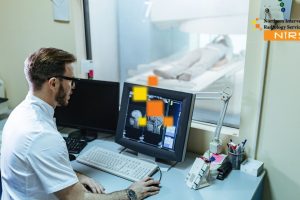
Interventional radiology combines advanced medical imaging with minimally invasive techniques to treat the root cause of chronic pain. Using CT, ultrasound, or fluoroscopy guidance, radiologists can precisely target the source of pain and deliver treatment directly where it is needed.
1. Image-Guided Nerve Blocks
- A small amount of medication is injected near a specific nerve.
- Blocks the pain signals traveling from the nerve to the brain.
- Provides immediate relief and allows patients to move more comfortably.
2. Epidural Injections
- Used especially for back pain and sciatica.
- Medication is injected into the epidural space of the spine.
- Reduces inflammation around spinal nerves, easing radiating pain down the legs.
3. Joint Injections
- Commonly used for arthritis-related pain in knees, hips, and shoulders.
- Delivers anti-inflammatory medication directly into the affected joint.
- Reduces swelling, stiffness, and improves mobility.
Each of these procedures is performed under image guidance, ensuring precision and minimizing risks. Most patients return home the same day and resume normal activities within 24–48 hours.
Benefits of Interventional Radiology for Pain Management
Patients who undergo pain management at NIRS Abbottabad enjoy several advantages compared to traditional methods:
- Minimally Invasive: No large cuts or stitches—just small needle punctures.
- Quick Recovery: Patients go home the same day, with minimal downtime.
- Long-Lasting Relief: Many patients experience months or even years of reduced pain.
- Reduced Medication Use: Less reliance on daily painkillers means fewer side effects.
- Safe and Effective: Guided by advanced imaging, procedures are highly accurate.
- Improved Quality of Life: Patients regain independence, mobility, and confidence.
When Should You Seek Professional Help?
Not all aches and pains require advanced treatment. However, you should consult a specialist if you experience:
- Pain lasting longer than 3 months.
- Pain that disrupts sleep, work, or daily activities.
- Pain accompanied by numbness, weakness, or tingling in arms or legs.
- Swelling, stiffness, or reduced mobility in major joints.
- Little or no relief from over-the-counter medications.
Early consultation ensures that treatment is more effective and prevents complications from worsening pain.
Conclusion
Chronic pain is not just a physical condition—it impacts every aspect of life. While medications and surgeries remain common treatments, they often fail to provide safe, long-lasting relief.
Interventional radiology offers a new path forward. Through image-guided nerve blocks, epidural injections, and joint injections, patients can experience real, sustainable improvement without the risks of surgery or the side effects of heavy medications.
At NIRS Abbottabad, patients like you are discovering that chronic pain can be managed with compassion, precision, and advanced technology. If you or your loved one has been struggling with long-term pain, don’t wait—reach out today and explore the possibilities of minimally invasive pain management in Pakistan.