Top 10 Benefits of Interventional Radiology Services | NIRS
Introduction: The Rise of Interventional Radiology in Modern Medicine
Interventional Radiology (IR) is revolutionizing the way modern medicine approaches diagnosis and treatment. As a minimally invasive alternative to traditional surgery, IR offers patients faster recovery, reduced pain, and lower risk of complications—all while maintaining high precision through image-guided procedures.
Among the pioneers leading this change is NIRS – Northern Interventional Radiology Services. Known for its advanced technology, skilled radiologists, and patient-centered approach, NIRS is transforming lives by making healthcare less invasive, more efficient, and far more accessible. The many benefits of interventional radiology have made it a cornerstone of modern clinical practice across specialties like oncology, vascular care, and pain management.
In this article, we explore the top 10 benefits of interventional radiology, how it compares to traditional treatments, and why NIRS should be your go-to choice for expert, minimally invasive care.
1. Minimally Invasive Procedures with Maximum Results
The Power of Small Incisions and Big Outcomes
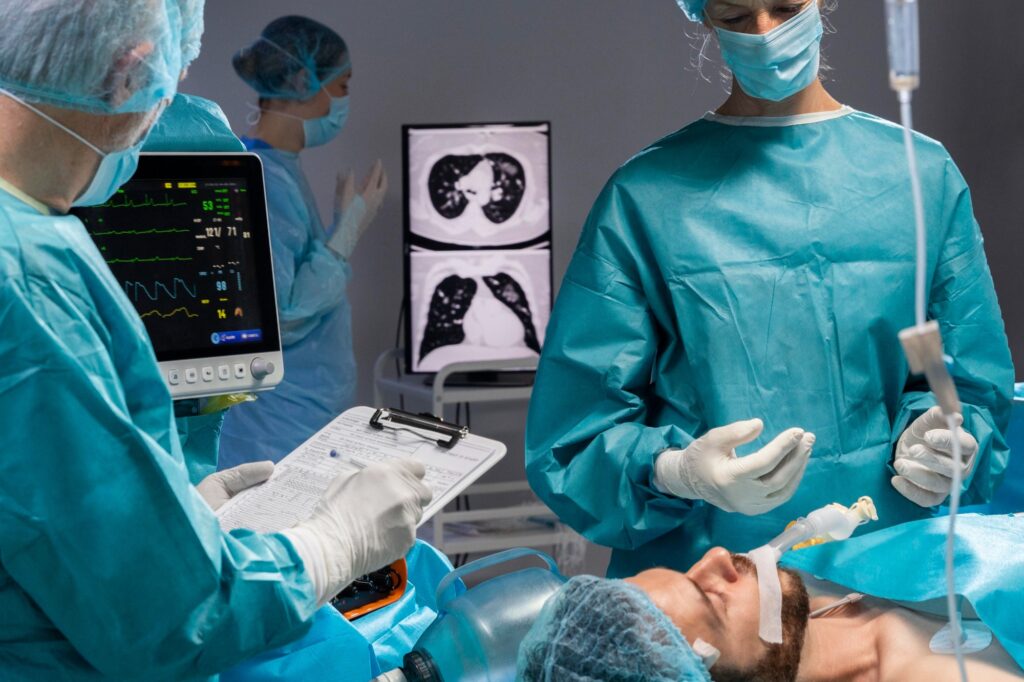
One of the standout benefits of interventional radiology is its reliance on minimally invasive procedures. Unlike traditional surgeries that require large cuts and extended healing time, IR procedures are done using tiny incisions—often just a few millimeters wide. Through these small entry points, radiologists insert catheters or needles and guide them precisely to the treatment site using real-time imaging tools such as fluoroscopy, CT scans, or ultrasound.
Less Trauma, Faster Healing
By minimizing physical trauma to the body, these procedures lead to faster recovery times, reduced pain, and significantly lower risks of complications. Patients can often return to normal activities within days rather than weeks. Whether it’s treating blocked arteries, performing tumor ablations, or conducting biopsies, IR delivers effective outcomes with minimal disruption to the patient’s life.
High Precision with Imaging Guidance
The use of advanced imaging not only improves accuracy but also allows for targeted treatments—meaning only the affected area is treated while preserving surrounding healthy tissue. This level of precision translates into better clinical results and improved quality of life for patients.
✅ Did you know? Most interventional radiology procedures can be performed as same-day outpatient treatments, saving patients from long hospital stays.
Real-Life Applications of Minimally Invasive IR
Some common conditions treated with these minimally invasive methods include:
- Uterine fibroids (via Uterine Artery Embolization)
- Liver and kidney tumors (via Radiofrequency Ablation)
- Deep vein thrombosis
- Peripheral artery disease
- Varicose veins
- Spinal fractures (via Vertebroplasty)
Each of these procedures showcases the key benefits of interventional radiology—delivering maximum results with the least amount of intervention.
2. Faster Recovery Times Compared to Traditional Surgery
Healing in Days, Not Weeks
One of the most appreciated benefits of interventional radiology is the dramatically shorter recovery time it offers compared to traditional surgical procedures. Because IR procedures are performed through tiny incisions rather than large surgical cuts, the body experiences significantly less trauma. As a result, patients often heal in just a few days, whereas conventional surgeries may require weeks of bed rest or hospitalization.
Outpatient Procedures Mean No Overnight Stays
Most interventional radiology treatments are performed on an outpatient basis. Patients can usually return home the same day and resume their normal routines quickly. This not only reduces physical downtime but also helps ease the emotional and financial stress of being away from work or family for extended periods. You can take these Benefits of Interventional Radiology by contacting NIRS.
💡 Fact: Many IR patients are back to work or light activity within 24–72 hours post-procedure—something rarely possible with open surgery.
3. Reduced Pain and Discomfort for Patients
Less Invasive, Less Pain
One of the most comforting benefits of interventional radiology is the significant reduction in pain during and after treatment. Unlike traditional surgeries that involve cutting through layers of skin and muscle, IR procedures use tiny incisions and catheters to perform treatments. This approach minimizes tissue damage, which naturally results in less post-operative pain.
No General Anesthesia Required
Most IR procedures are done under local anesthesia or mild sedation, eliminating the risks and after-effects of general anesthesia. This is especially beneficial for elderly patients or those with existing medical conditions who may not tolerate full sedation well. Patients often remain awake and comfortable throughout the procedure.
Targeted Therapy = Minimal Discomfort
Interventional radiologists rely on real-time imaging to guide instruments precisely to the treatment site. This level of accuracy ensures that only the problem area is addressed, sparing nearby healthy tissues. The result? Less internal trauma, fewer complications, and a quicker return to comfort. Take these benefits of Interventional radiology for you good health. These benefits of interventional radiology are good for you health.
🔍 Example: In uterine fibroid embolization, patients typically report far less pain than they would experience from surgical removal of the uterus (hysterectomy).
4. Lower Risk of Infection and Complications
Smaller Incisions, Safer Outcomes
One of the most critical benefits of interventional radiology is the reduction in risk of infection. Traditional open surgeries often involve large incisions, which expose the body to higher chances of bacterial contamination, bleeding, and post-operative complications. In contrast, IR procedures use small punctures, which greatly minimize exposure and reduce the risk of infection.
No Need for Surgical Sutures or Drains
Since interventional radiology involves inserting a catheter or needle through a pinhole-sized entry, there’s often no need for stitches or surgical drains. This greatly reduces the chance of wound infection, fluid retention, or internal bleeding—all of which are common complications following conventional surgeries.
Image-Guided Precision Minimizes Mistakes
Interventional radiologists perform procedures under real-time imaging guidance, which ensures high precision and control during every step. This accuracy not only increases the success rate of the treatment but also reduces the risk of damaging surrounding organs or tissues—a complication often seen in manual surgical procedures. These benefits of interventional radiology are good for your health. Take these benefits of interventional radiology now.
⚠️ Important Insight: Traditional surgeries carry a risk of complications such as deep vein thrombosis, pulmonary infections, or delayed wound healing. IR avoids most of these through its non-surgical, image-guided approach.
5. Cost-Effective Alternative to Surgery
Affordable Care Without Compromising Quality
Among the many benefits of interventional radiology, one that greatly appeals to both patients and healthcare providers is its cost-effectiveness. Traditional surgeries often require expensive operating rooms, multiple specialists, longer hospital stays, and post-operative care. In contrast, IR procedures are usually done in specialized radiology suites with fewer resources, making them significantly more affordable.
Reduced Hospital Stays = Lower Bills
Most IR procedures are outpatient or require only short-term observation, drastically reducing costs associated with overnight stays, meals, medications, and staff care. By eliminating these extended services, patients benefit from a more economical treatment plan without sacrificing safety or effectiveness.
💡 Did You Know? Interventional radiology treatments often cost 30–60% less than equivalent surgical interventions.
Minimal Follow-Up and Fewer Complications
The precise and non-invasive nature of IR leads to fewer complications, which means fewer readmissions and less reliance on post-operative medications or treatments. This significantly lowers the long-term cost of care, especially for chronic conditions that would otherwise require repeat surgeries. You can take these benefits of interventional radiology through NIRS.
6. High Accuracy Through Real-Time Imaging Guidance
Precision Is the Foundation of Interventional Radiology
One of the most advanced benefits of interventional radiology is its exceptional accuracy, enabled by the use of real-time imaging technology. Every IR procedure is guided by advanced imaging tools such as ultrasound, CT scans, MRI, or fluoroscopy, allowing interventional radiologists to navigate catheters and instruments directly to the problem area with remarkable precision.
Targeted Treatment, Minimal Collateral Damage
The image-guided nature of interventional radiology ensures that only the affected area is treated, while surrounding healthy tissues are left untouched. This minimizes the chances of unintentional damage and significantly improves treatment outcomes. Whether it’s delivering medication to a tumor, opening a blocked artery, or draining an abscess, the real-time feedback from imaging systems allows for highly targeted interventions.
🔍 Example: In procedures like tumor embolization or angioplasty, real-time fluoroscopy ensures the exact location is treated without affecting nearby organs.
Benefits for Complex and Delicate Procedures
Many conditions—especially those involving the vascular system, nervous system, or internal organs—require extraordinary care and accuracy. The benefits of interventional radiology in these cases are unmatched. Real-time imaging reduces the risk of misplacement, over-treatment, or complications, even in high-risk patients.
Higher Success Rates with Lower Risks
Because of this image-guided precision, IR procedures consistently show higher success rates and lower complication rates compared to manual, non-guided surgical techniques. This makes interventional radiology a top choice for both diagnostic and therapeutic procedures. You can take these benefits of interventional radiology through NIRS.
7. Wide Range of Conditions Treated Successfully
A Versatile Specialty with Broad Applications
One of the most remarkable benefits of interventional radiology is its ability to effectively treat a wide variety of medical conditions—many of which traditionally required open surgery. From vascular diseases to oncological treatments, interventional radiologists use minimally invasive techniques to address both common and complex health issues with high success rates.
Conditions Commonly Treated with Interventional Radiology
IR is used to treat conditions across multiple specialties, including:
- Vascular and arterial blockages (angioplasty, stenting)
- Varicose veins and deep vein thrombosis
- Liver and kidney tumors (radiofrequency ablation, embolization)
- Uterine fibroids (uterine artery embolization)
- Prostate enlargement (prostate artery embolization)
- Spinal fractures (vertebroplasty)
- Biliary obstructions or gallbladder drainage
- Abscess drainage and biopsies
- Chronic pain management through nerve blocks
This extensive list proves that the benefits of interventional radiology go beyond just a few procedures—it is a comprehensive solution for many diseases.
Treating Patients Across All Age Groups
From young adults to seniors, IR is adaptable to patients with varying health profiles. Its non-surgical approach makes it an ideal option for those who may not be fit for general anesthesia or major surgery. This includes patients with chronic illnesses like diabetes, kidney failure, or heart disease.
💡 Did You Know? Many interventional radiology treatments are also used as first-line therapies in cases where surgery is too risky or not possible.
8. Outpatient or Same-Day Procedures Available
Faster Treatment, Faster Return to Life
One of the most patient-friendly benefits of interventional radiology is its ability to offer outpatient or same-day procedures. Unlike traditional surgeries that often require hospital stays for recovery and observation, many interventional radiology treatments can be completed in just a few hours—without the need for overnight admission.
Reduced Hospital Stays and Minimal Downtime
Interventional radiology procedures typically:
- Take place in specialized imaging suites, not operating rooms.
- Are done under local anesthesia or conscious sedation.
- Allow patients to walk out of the facility the same day.
- Require only a few hours of post-procedure monitoring.
- Offer faster return to work and daily activities.
This is especially important for working professionals, elderly patients, or those with caregiving responsibilities who can’t afford extended hospital stays. You can take these benefits of interventional radiology through NIRS in reliable prices and with expert doctors.
🕒 Example: Procedures like varicose vein ablation, biopsies, and uterine fibroid embolization are often completed in under 90 minutes, with patients discharged on the same day.
Convenience Without Compromise
Choosing outpatient care through interventional radiology doesn’t mean sacrificing quality or effectiveness. These minimally invasive procedures are just as effective—if not more so—than conventional surgery for many conditions. And they carry lower risks, less discomfort, and shorter recovery periods.
Ideal for Today’s Fast-Paced World
In today’s fast-moving society, patients increasingly prefer treatments that fit into their lifestyle. The benefits of interventional radiology meet this demand by offering medical solutions that are quick, precise, and minimally disruptive.
Better for Patients and Healthcare Systems
Besides the patient-centric advantages, same-day procedures also:
- Lower the burden on hospital resources.
- Reduce healthcare costs.
- Improve scheduling flexibility and care efficiency.
9. Personalized and Patient-Centered Care
Tailored Treatment for Every Patient
One of the standout benefits of interventional radiology is its ability to deliver customized care for each individual patient. IR procedures are never one-size-fits-all. Instead, interventional radiologists use diagnostic imaging to understand the exact condition, location, and severity of a patient’s issue—allowing them to design highly targeted treatments specific to that patient’s anatomy and medical history.
Collaborative and Consultative Approach
Interventional radiologists work closely with other specialists—such as oncologists, vascular surgeons, and primary care physicians—to develop a multidisciplinary treatment plan. This collaboration ensures that patients receive the best possible care, tailored to their unique needs, preferences, and long-term health goals.
💡 Did You Know? Many IR clinics conduct pre-procedure consultations to fully educate patients about their options, risks, and expected outcomes—putting the patient at the center of the decision-making process.
Real-Time Feedback for Ongoing Adjustment
Another powerful aspect of this patient-centered model is that real-time imaging allows radiologists to make in-the-moment adjustments based on what they see during the procedure. This flexibility improves outcomes and ensures that care is as responsive and accurate as possible.
Why Choose NIRS – Northern Interventional Radiology Services?
When it comes to minimally invasive procedures, Northern Interventional Radiology Services (NIRS) stands out as a trusted leader in patient-centered, evidence-based care. Here’s why NIRS should be your first choice for interventional radiology:
✅ Expert Team of Interventional Radiologists
NIRS is home to highly experienced and board-certified interventional radiologists, including Dr. Muhammad Ismail and Dr. Atif Nawaz, who specialize in a broad range of minimally invasive procedures. Their commitment to accuracy, safety, and patient satisfaction ensures outstanding clinical outcomes.
✅ Cutting-Edge Imaging & Technology
NIRS uses real-time imaging technologies like fluoroscopy, ultrasound, and CT-guided systems to ensure pinpoint accuracy in every procedure. This enhances both safety and success rates while reducing complications.
✅ Personalized Treatment Plans
At NIRS, no two patients are treated the same. Our team takes time to listen, evaluate, and design individualized treatment plans tailored to your condition, goals, and medical history.
✅ Fast Recovery with Minimal Discomfort
Patients at NIRS benefit from same-day procedures, minimal hospital stays, and quicker return to daily life—thanks to the minimally invasive approach we specialize in. You recover faster, with less pain and fewer risks.
✅ Wide Range of Services
Whether it’s treating varicose veins, uterine fibroids, liver tumors, vascular blockages, or chronic pain, NIRS offers a comprehensive portfolio of interventional radiology services using the latest clinical protocols.
✅ Affordable & Transparent Costs
Compared to traditional surgery, IR at NIRS is not just safer—it’s also more cost-effective. We offer transparent pricing and billing support, ensuring that quality healthcare remains accessible to all.
✅ Compassionate Patient Care
From pre-procedure education to post-procedure support, NIRS focuses on building trusting relationships with patients. Our team ensures you feel informed, supported, and confident throughout your entire journey by giving you these benefits of interventional radiology.
Frequently Asked Questions (FAQs)
1. What procedures does NIRS specialize in?
NIRS offers a wide range of interventional radiology services including uterine fibroid embolization, varicocele embolization, angioplasty, tumor ablation, drainage procedures, and pain management injections.
2. Is interventional radiology safe?
Yes. Interventional radiology is minimally invasive, image-guided, and typically has fewer risks, reduced pain, and shorter recovery times compared to open surgeries.
3. Will I need anesthesia for IR procedures?
Most IR procedures are performed using local anesthesia and light sedation. You’ll remain comfortable without the risks of general anesthesia.
4. How long is the recovery time?
Recovery times vary by procedure, but most patients return to normal activities within a few days and experience minimal downtime.
5. Is IR suitable for elderly or high-risk patients?
Yes. Since it involves less trauma to the body, interventional radiology is ideal for patients who may not be good candidates for traditional surgery, including the elderly and those with chronic conditions.
6. Do I need a referral to get treatment at NIRS?
While referrals from a general practitioner are helpful, you can contact NIRS directly to schedule an initial consultation. You can take these benefits of interventional radiology through NIRS.
Contact NIRS – Northern Interventional Radiology Services
If you want to take these benefits of interventional radiology. We’re here to help you take the next step toward minimally invasive, fast-recovery medical care. For appointments, consultations, or general inquiries, reach out today:
- 📧 Email: Info@nirs.com.pk
- 📱 Phone: +92316 5212015
- 🌐 Website: www.nirs.com
- 📍 Location: IDC Small industrial Chowk Mandian Abbottabad Near Ayub Medical Complex
- 💬 Facebook: nirs
- 📸 Instagram: nirs
Choose confidence. Choose comfort. Choose NIRS.
Because your health deserves precision, safety, and care.