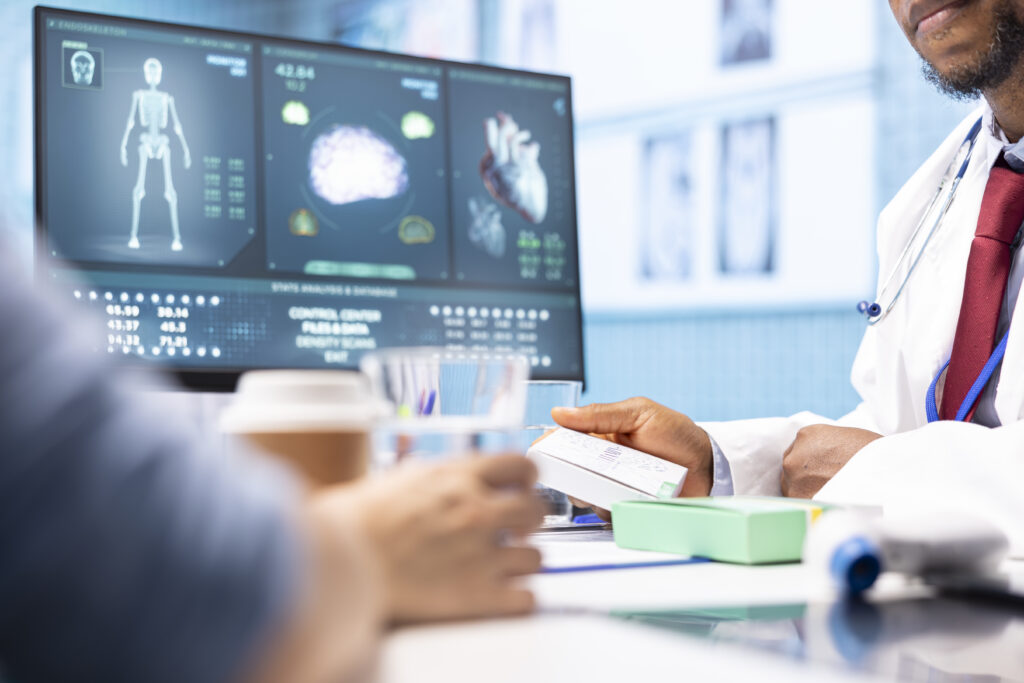
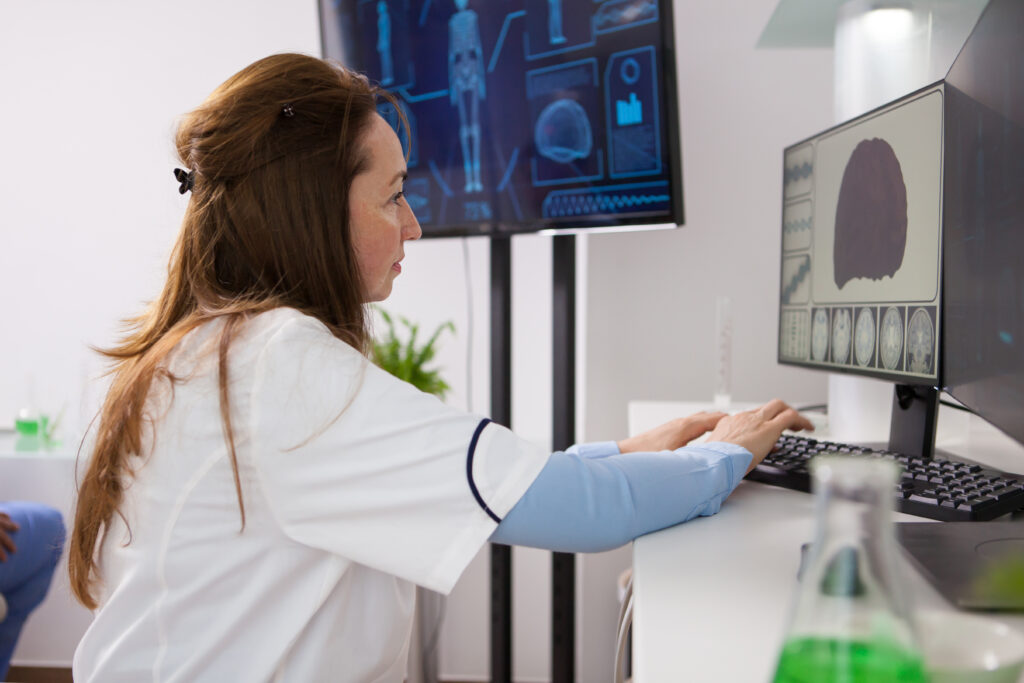
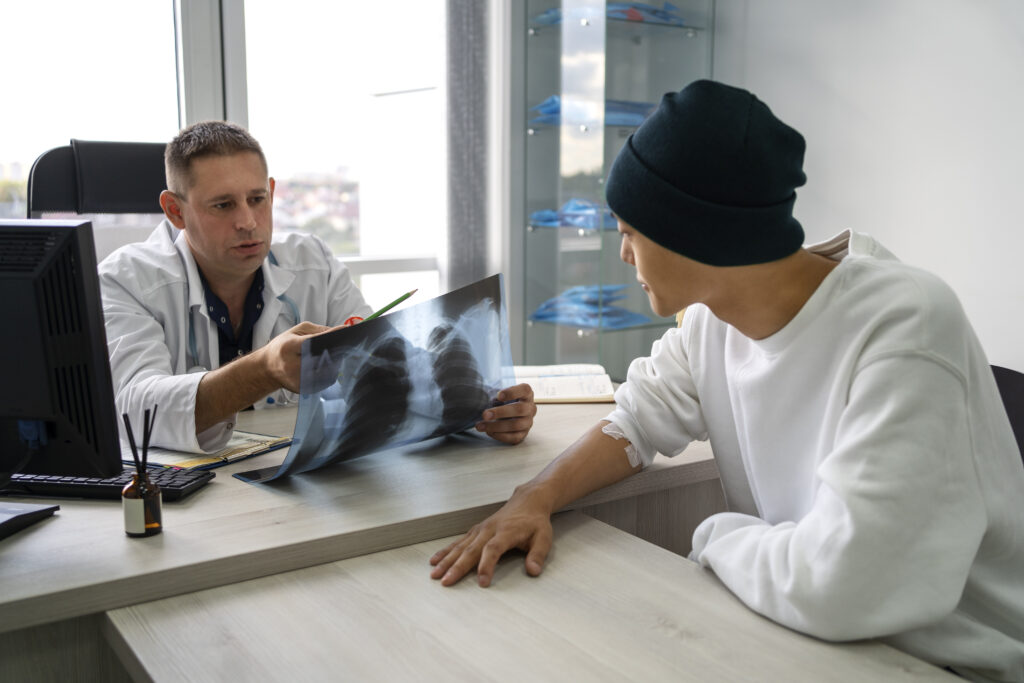
Breakthrough Diagnostic Imaging for Early Disease Detection | NIRS Introduction to Diagnostic Imaging Diagnostic imaging is a cornerstone of modern medicine, providing detailed, non-invasive insight into the body’s internal structures. It plays a pivotal role in identifying, monitoring, and treating a wide range of health conditions. At NIRS (Northern Institute of Radiological Sciences) in Abbottabad, diagnostic imaging services are not just about scans—they’re about early detection, precise diagnosis, and patient-centric care. Whether it’s through X-rays, CT scans, MRIs, ultrasound, or interventional radiology, NIRS offers advanced imaging techniques that aid physicians in making accurate clinical decisions. These technologies reduce the need for exploratory surgeries and allow for early disease detection, which significantly improves treatment outcomes. At NIRS, every diagnostic procedure is conducted using cutting-edge equipment under the supervision of expert radiologists and technologists. Their focus on safety, precision, and patient comfort ensures that individuals receive the highest standard of radiological care in the region. What is Diagnostic Imaging? Diagnostic imaging refers to a set of non-invasive techniques that allow medical professionals to view structures and processes inside the body. It plays an essential role in detecting diseases, assessing injuries, monitoring treatment progress, and guiding medical procedures. At NIRS, diagnostic imaging is performed with the latest technology to ensure high-resolution, precise visual representations of internal anatomy. The main types of diagnostic imaging include X-rays, ultrasound, CT (Computed Tomography) scans, MRI (Magnetic Resonance Imaging), mammography, and nuclear medicine scans. These tools are vital for diagnosing conditions like fractures, tumors, infections, and cardiovascular diseases. At NIRS Abbottabad, patients receive tailored imaging solutions based on their symptoms and medical history, ensuring accurate diagnoses and optimized treatment plans. By utilizing state-of-the-art equipment and following global radiological standards, NIRS ensures safe radiation doses, minimal discomfort, and quick results—making it a trusted center for diagnostic imaging in the region. Historical Evolution of Imaging Technologies The field of diagnostic imaging has undergone a remarkable transformation since its inception. It began in 1895 when Wilhelm Conrad Roentgen discovered X-rays, revolutionizing medical diagnostics by allowing doctors to see inside the human body without surgery. This single discovery laid the foundation for modern radiology. In the decades that followed, the development of ultrasound in the 1950s, CT scans in the 1970s, and MRI in the 1980s expanded the capabilities of imaging significantly. Each innovation brought clearer images, enhanced safety, and broader diagnostic scope. By the 2000s, digital imaging and 3D reconstruction became mainstream, further advancing diagnostic precision. Today, at NIRS, this rich history is reflected in their adoption of the most advanced diagnostic imaging technologies. From high-resolution MRI scanners to low-radiation CT systems, NIRS ensures patients benefit from decades of scientific progress. Their radiologists are trained in both the science and history of imaging, enabling them to apply a deep understanding of imaging modalities to every case. By combining a historical foundation with modern-day innovation, NIRS has positioned itself as a leader in radiological excellence across Khyber Pakhtunkhwa. Importance of Early Disease Detection Early disease detection plays a pivotal role in modern healthcare. It allows medical professionals to identify illnesses at their initial stages—when they are most treatable and least damaging. At NIRS, early detection is made possible through the strategic use of advanced diagnostic imaging, which offers a clear and non-invasive window into the body’s internal systems. By spotting abnormalities before they progress, NIRS diagnostic imaging supports proactive healthcare, reduces complications, and increases the chances of successful treatment. This approach is particularly valuable for life-threatening conditions like cancer, cardiovascular disease, neurological disorders, and internal injuries—many of which show no outward symptoms until they’ve advanced. Why Early Detection Matters in Modern Medicine In today’s rapidly advancing medical field, early detection is not just beneficial—it’s essential. Diseases like cancer, tuberculosis, and heart conditions often remain hidden during their early phases. Using diagnostic imaging technologies, such as CT, MRI, and ultrasound, NIRS empowers physicians to detect these diseases before they escalate. With early detection: At NIRS, these principles are applied daily. Their diagnostic imaging tools are calibrated to identify even the smallest abnormalities. This ensures no early warning signs are missed, supporting physicians in their clinical decisions. Impact on Treatment Outcomes and Survival Rates One of the most compelling reasons for early detection through diagnostic imaging is its direct impact on survival rates and treatment outcomes. When diseases are diagnosed at an early stage, the likelihood of full recovery increases dramatically. For example: At NIRS, each imaging report is handled with care and urgency. Their specialists ensure patients are not only diagnosed early but are also connected with the appropriate care pathways. By prioritizing early disease detection, NIRS improves outcomes and helps patients reclaim healthier lives faster. How Diagnostic Imaging Aids in Early Detection Diagnostic imaging is the cornerstone of modern medical diagnosis, especially when it comes to early disease detection. Through non-invasive technologies, medical professionals can visualize internal body structures and spot abnormalities long before symptoms arise. At NIRS (Northern Institute of Radiological Sciences), cutting-edge diagnostic imaging is used to uncover hidden threats—often the difference between a manageable condition and a life-threatening illness. With modalities like MRI, CT scan, ultrasound, and X-ray, NIRS diagnostic imaging offers physicians an unparalleled ability to identify disease at its root. These insights empower both patients and doctors to take action early, often before irreversible damage occurs. Role in Identifying Hidden or Asymptomatic Conditions One of the most important benefits of diagnostic imaging is its ability to detect conditions that show no visible or physical symptoms. These are often referred to as asymptomatic diseases, and they can include early-stage cancers, internal bleeding, brain tumors, bone infections, and even congenital anomalies. At NIRS, diagnostic imaging is used to: By diagnosing these silent threats early, NIRS imaging experts help patients avoid emergency situations, reduce complications, and plan proactive treatment strategies. This approach improves quality of life and reduces the emotional and financial burdens that come with late-stage diagnoses. Imaging Techniques That Detect Disease Before Symptoms Appear Not all diseases announce themselves with pain, swelling, or fatigue. In fact, many