Minimally Invasive Cancer Treatments Explained | NIRS
The landscape of oncology is shifting. For decades, the primary weapons against cancer were invasive surgery, systemic chemotherapy, and external radiation. While these remain vital, a fourth pillar of cancer care has emerged—Interventional Oncology. At Northern Interventional Radiology Services (NIRS), we specialize in this field, providing precision-targeted therapies that offer hope where traditional methods may not be feasible.
When we talk about Minimally Invasive Cancer Treatments Explained, we are referring to a sophisticated range of procedures that allow doctors to treat tumors through a pinhole incision, guided by advanced imaging technology. This approach minimizes damage to healthy tissue and significantly reduces recovery time.
What is Interventional Oncology?
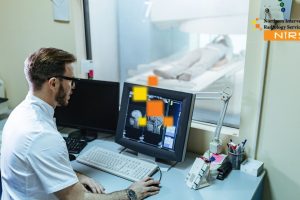
Interventional Oncology is a subspecialty of radiology. It involves the use of image-guided technology—such as Ultrasound, CT scans, and Fluoroscopy—to deliver treatment directly to the site of a tumor. Instead of cutting through muscle and skin to reach an internal organ, NIRS specialists use tiny needles or catheters to “attack” the cancer from within.
Primary Minimally Invasive Cancer Treatments Explained
At NIRS, we offer several advanced procedures designed to treat various types of cancer, particularly those in the liver, kidney, lung, and bone.
1. Tumor Ablation (Heat and Cold Therapy)
Ablation is one of the most effective ways to destroy a tumor without removing it.
- Microwave Ablation (MWA): Using a specialized needle-like probe, we use electromagnetic waves to create heat that kills cancer cells.
- Radiofrequency Ablation (RFA): Similar to MWA, this uses high-frequency electrical currents to “cook” the tumor.
- Cryoablation: This involves freezing the tumor cells to extremely low temperatures, causing them to die and be naturally reabsorbed by the body.
- Who is it for? This is ideal for patients with small tumors in the liver or kidneys who are not candidates for surgery.
2. TACE (Transarterial Chemoembolization)
For patients with liver cancer, TACE is a game-changer.
- The Procedure: A catheter is threaded through the artery in the groin or wrist and guided to the blood vessel feeding the tumor.
- How it Works: We deliver a high concentration of chemotherapy drugs directly into the tumor and then “plug” the artery with specialized particles. This starves the tumor of oxygen and nutrients while trapping the medicine inside.
3. Y-90 Radioembolization (SIRT)
This is a form of internal radiation. Millions of microscopic radioactive beads (Yttrium-90) are injected into the blood vessels that supply a tumor. These beads emit radiation over a short distance, killing the cancer cells while sparing the surrounding healthy liver tissue.
4. Port-a-Cath and PICC Line Placement
Not all Minimally Invasive Cancer Treatments Explained are about destroying the tumor; some are about improving the patient’s quality of life. NIRS provides image-guided placement of ports that allow for painless chemotherapy administration, sparing the patient from repeated, painful needle sticks.
The Powerful Benefits of Choosing NIRS
Why should patients in Islamabad, Abbottabad, and across Pakistan choose NIRS for their cancer care? The advantages are clear:
- Pinpoint Precision: Because we use real-time imaging, we can see exactly where the tumor ends and healthy tissue begins. This “GPS for the body” ensures maximum efficacy.
- Minimal Pain and Scarring: Procedures are performed through an incision so small it doesn’t even require stitches.
- Local Anesthesia: Most patients remain awake or lightly sedated. This avoids the high-risk complications often associated with general anesthesia in cancer patients.
- Faster Recovery: Most NIRS oncology patients go home the same day or after a single night of observation.
- Repeatable Treatments: Unlike traditional radiation, which has a “lifetime limit,” many interventional oncology procedures can be repeated if the cancer returns.
Why NIRS (Northern Interventional Radiology Services)?
At NIRS, we don’t just provide a service; we provide a multidisciplinary partnership. We work alongside your primary oncologists and surgeons to determine which Minimally Invasive Cancer Treatments Explained are right for your specific stage of disease.
Led by Dr. Atif Nawaz and our team of highly skilled radiologists, NIRS is equipped with world-class angiography and CT suites. We are the leading facility in the Hazara region and Islamabad, bringing international standards of “pinhole surgery” to the local population.
Treating “Inoperable” Cases
Many of our patients come to us after being told their tumor is “inoperable” due to its location or their own frail health. Because our methods are so gentle on the body, we are often able to treat these “inoperable” cases, extending and improving the quality of life for our patients.
Conclusion: A New Way to Fight Cancer
The journey through a cancer diagnosis is difficult, but your treatment doesn’t have to be a traumatic surgical experience. By choosing the advanced, image-guided options at NIRS, you are choosing a path that prioritizes your safety, your comfort, and your recovery.
If you or a loved one are exploring cancer treatment options, ensure you have the Minimally Invasive Cancer Treatments Explained by a professional. Contact NIRS today for a consultation and see if interventional oncology is the right choice for you.
Contact NIRS Today:
- Phone: +92 316 5212015
- Website: nirs.com.pk
- Locations: Islamabad & Abbottabad, Pakistan
- Email: info@nirs.com.pk