Ultimate Guide: Interventional Radiology vs Surgery | NIRS
In the world of modern healthcare, patients often face a critical choice when diagnosed with vascular issues, tumors, or chronic pain: “Do I need surgery, or is there a better way?” At Northern Interventional Radiology Services (NIRS), we specialize in providing that “better way.”
Understanding Interventional Radiology vs Surgery: Key Differences is vital for making an informed decision about your health. While both fields aim to treat disease and improve quality of life, the methods, risks, and recovery paths are worlds apart.
What is Traditional Surgery?
Traditional surgery, often called “open surgery,” involves a surgeon making an incision large enough to see and touch the internal organs or tissues being treated. It has been the medical standard for decades but often requires general anesthesia, hospital stays, and significant recovery time.
What is Interventional Radiology (IR)?
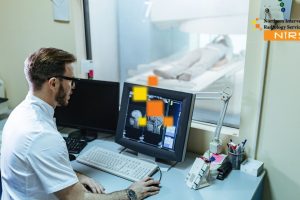
Interventional Radiology is the “GPS of medicine.” Instead of large cuts, an Interventional Radiologist at NIRS uses advanced imaging like Ultrasound, CT, or X-rays to guide tiny instruments (catheters or needles) through a pinhole-sized incision. This allows us to treat the problem from the inside of the body.
The 6 Key Differences You Need to Know
1. Incision Size and Physical Trauma
The most visible of the Interventional Radiology vs Surgery: Key Differences is the physical impact on your body.
- Surgery: Requires an incision that can range from several inches to a foot long. This involves cutting through skin, fat, and often muscle.
- IR at NIRS: We use a “pinhole” entry, typically only 2–3 millimeters wide. There are no stitches required—just a small adhesive bandage.
2. Anesthesia and Patient Comfort
How you experience the procedure is drastically different between these two paths.
- Surgery: Usually performed under general anesthesia, meaning you are completely unconscious and require a breathing tube.
- IR at NIRS: Most procedures are performed under local anesthesia or “twilight” sedation. You remain awake or lightly drowsy, breathing on your own, and can often communicate with the doctor during the procedure.
3. Recovery Time and Hospital Stay
In the debate of Interventional Radiology vs Surgery: Key Differences, recovery time is often the deciding factor for our patients.
- Surgery: Often requires several days in the hospital and weeks (or months) of restricted activity while the large incision heals.
- IR at NIRS: Most IR treatments are outpatient procedures. You walk in and walk out the same day. Because there is no major muscle damage, most patients return to work and light exercise within 24 to 48 hours.
4. Risk of Complications
Every medical procedure has risks, but the “minimally invasive” nature of IR significantly tips the scales.
- Surgery: Higher risks of post-operative infection, heavy blood loss, and complications related to general anesthesia.
- IR at NIRS: Lower risk of infection and minimal blood loss. Because the procedure is image-guided, there is less “collateral damage” to healthy surrounding tissues.
5. Precision and Visualization
- Surgery: The surgeon relies on their hands and what they can see with their eyes through the incision.
- IR at NIRS: We use high-definition, real-time imaging. This allows us to navigate through microscopic blood vessels to reach the exact source of a tumor or blockage with sub-millimeter precision.
6. Pain Levels
- Surgery: Post-operative pain is a major concern due to the large wound and internal tissue manipulation, often requiring heavy narcotic painkillers.
- IR at NIRS: Pain is significantly lower. Most patients manage any post-procedure discomfort with simple over-the-counter pain relief.
When to Choose NIRS Over Traditional Surgery
At Northern Interventional Radiology Services (NIRS), we treat several conditions that were traditionally managed by surgeons. If you are facing any of the following, you should explore the IR alternative:
- Uterine Fibroids: Why have a hysterectomy when you can have Uterine Fibroid Embolization (UFE)?
- Vascular Blockages (PAD): Avoid bypass surgery with our image-guided angioplasty and stenting.
- Varicose Veins: Replace vein stripping with our modern laser ablation techniques.
- Liver or Kidney Tumors: Instead of removing the organ, we can often destroy the tumor directly using Microwave Ablation.
Why NIRS is Pakistan’s Leader in Interventional Radiology
Choosing between Interventional Radiology vs Surgery: Key Differences is easier when you have an expert team to guide you. NIRS is the premier facility for non-surgical treatments in Pakistan because:
- Specialized Expertise: Our doctors are pioneers in image-guided therapy, trained to handle complex cases that others might deem “too difficult.”
- Cutting-Edge Technology: We house the latest diagnostic and interventional imaging suites, ensuring the highest success rates.
- Patient-First Philosophy: We believe that the best surgery is the one you don’t have to have. Our goal is to get you back to your life faster and with less pain.
Conclusion: The Choice is Yours
While traditional surgery will always have a place in medicine for certain emergencies, Interventional Radiology is the future for most chronic and vascular conditions. By understanding the Interventional Radiology vs Surgery: Key Differences, you can choose a path that prioritizes your safety, your comfort, and your time.
Don’t settle for a long recovery and large scars. Experience the Powerful Benefits of Image-Guided Procedures at NIRS.
Contact NIRS Today for a Consultation
- Location: Islamabad & Abbottabad
- Phone: +92 316 5212015
- Website: nirs.com.pk
- Email: info@nirs.com.pk