Revolutionary Interventional Radiology for Cancer Care A New Hope for Patients | NIRS
Cancer treatment has evolved significantly over the last decade. Today, patients are no longer limited to traditional surgery, chemotherapy, and radiation alone. One of the most revolutionary advancements in modern medicine is Interventional Radiology for Cancer Care: A New Hope for Patients. This minimally invasive approach is transforming oncology by offering targeted, precise, and safer treatment options.
At NIRS (Northern Interventional Radiology Services), patients receive advanced image-guided cancer treatments designed to improve outcomes, reduce pain, and accelerate recovery.
What Is Interventional Radiology in Cancer Care?
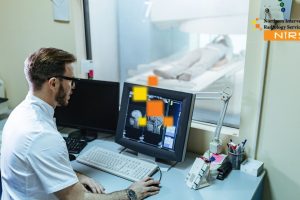
Interventional Radiology (IR) uses real-time imaging techniques such as ultrasound, CT scans, and fluoroscopy to guide tiny instruments through small incisions. Instead of large surgical cuts, doctors treat tumors through needle-sized openings.
Interventional Radiology for Cancer Care A New Hope for Patients means:
- Less invasive procedures
- Faster recovery times
- Minimal hospital stays
- Reduced risk of complications
- Highly targeted tumor treatment
This approach allows doctors to attack cancer cells directly while preserving healthy tissues.
How Interventional Radiology Treats Cancer
At NIRS, several advanced cancer treatments are performed using interventional radiology techniques.
1. TACE (Transarterial Chemoembolization)
TACE is commonly used for liver cancer. A catheter is inserted into the artery supplying the tumor. Chemotherapy drugs are delivered directly to the cancer while blocking its blood supply.
This targeted method increases treatment effectiveness and reduces side effects compared to systemic chemotherapy.
2. Tumor Ablation
Tumor ablation destroys cancer cells using:
- Radiofrequency energy
- Microwave energy
- Cryoablation (freezing technique)
A needle-like probe is guided precisely into the tumor, eliminating cancer cells without major surgery.
3. Image-Guided Biopsies
Before treatment begins, accurate diagnosis is critical. Ultrasound or CT-guided biopsies ensure precise sampling of suspicious tissue, improving diagnostic accuracy.
4. Palliative Procedures
Interventional radiology also helps relieve cancer-related pain and complications, such as blocked bile ducts or fluid accumulation.
Why Interventional Radiology for Cancer Care Is a New Hope
Traditional cancer surgery can be physically demanding, especially for elderly or high-risk patients. Many patients are not ideal surgical candidates due to other health conditions.
This is where Interventional Radiology for Cancer Care: A New Hope for Patients becomes life-changing.
Key Benefits:
✔ Minimally invasive
✔ Less blood loss
✔ Lower infection risk
✔ Shorter hospital stay
✔ Quicker return to normal activities
Patients often go home the same day or within 24 hours.
Precision Through Advanced Imaging
At Northern Interventional Radiology Services (NIRS), advanced imaging technology ensures extreme precision. Real-time imaging allows radiologists to:
- Identify tumor boundaries accurately
- Avoid damage to surrounding organs
- Deliver medication exactly where needed
- Monitor treatment progress instantly
This precision significantly improves treatment success rates.
Suitable Cancer Types for Interventional Radiology
Interventional radiology plays a critical role in managing:
- Liver cancer
- Kidney tumors
- Lung nodules
- Bone metastases
- Pancreatic tumors
- Certain vascular tumors
Each treatment plan is customized according to the patient’s condition and cancer stage.
Reduced Side Effects Compared to Traditional Therapy
Systemic chemotherapy travels throughout the body, often causing hair loss, nausea, and immune suppression. In contrast, interventional radiology targets the tumor directly.
This focused approach reduces damage to healthy tissues and lowers systemic side effects.
Patients experience:
- Better tolerance
- Improved quality of life
- Faster physical recovery
The Role of NIRS in Cancer Care
Northern Interventional Radiology Services is committed to providing cutting-edge, minimally invasive solutions for cancer management in Pakistan.
Why patients trust NIRS:
- Highly trained interventional radiologists
- Modern image-guided technology
- International treatment standards
- Personalized care plans
- Strong infection control protocols
NIRS combines expertise with compassion, ensuring that patients feel supported throughout their cancer journey.
Faster Recovery, Better Outcomes
Recovery after traditional surgery may take weeks. However, interventional radiology procedures often allow patients to resume normal activities within days.
Because the procedures are less traumatic, the body heals faster. This means patients can continue additional cancer treatments without unnecessary delays.
A Multidisciplinary Approach
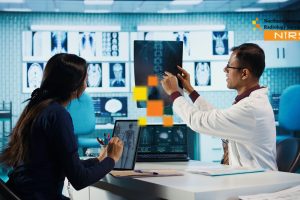
At NIRS, interventional radiology works alongside oncologists, surgeons, and other specialists to create comprehensive cancer treatment strategies.
This teamwork ensures:
- Accurate diagnosis
- Personalized therapy
- Ongoing monitoring
- Long-term follow-up care
Cancer treatment today is about precision medicine — and interventional radiology plays a leading role.
Future of Cancer Treatment in Pakistan
The future of oncology lies in minimally invasive, image-guided therapies. As awareness grows, more patients are choosing interventional radiology for its safety and effectiveness.
Interventional Radiology for Cancer Care: A New Hope for Patients represents a shift toward smarter, safer, and more advanced cancer management.
Northern Interventional Radiology Services continues to lead this transformation by offering innovative solutions tailored to patient needs.
Conclusion
Cancer care is no longer limited to aggressive surgeries and generalized treatments. With advanced image-guided procedures, patients now have access to precise and minimally invasive options.
Interventional Radiology for Cancer Care: A New Hope for Patients is changing lives by offering safer treatments, faster recovery, and improved outcomes.
At NIRS (Northern Interventional Radiology Services), patients receive expert care backed by technology, precision, and compassion.
If you or a loved one is exploring cancer treatment options, interventional radiology may be the advanced solution you’ve been searching for.