Complete Guide From Diagnosis to Recovery Angiography
Heart disease and vascular conditions are among the leading causes of serious health complications worldwide. Early and accurate diagnosis plays a crucial role in preventing life-threatening emergencies. One of the most important diagnostic and interventional procedures used to evaluate blood vessels is angiography.
If you’re wondering From Diagnosis to Recovery: What Happens During an Angiography Procedure, this detailed guide by NIRS (Northern Interventional Radiology Services) will walk you through every step — from preparation to post-procedure care.
What Is Angiography?
Angiography is a minimally invasive imaging procedure used to visualize blood vessels and detect blockages, narrowing, or abnormalities. It is commonly performed to evaluate:
- Coronary artery disease
- Peripheral artery disease
- Brain vessel abnormalities
- Kidney artery narrowing
- Blocked leg arteries
At NIRS, angiography is performed using advanced imaging technology to ensure precision, safety, and comfort.
Step 1: Diagnosis and Consultation
Before recommending angiography, your doctor may evaluate symptoms such as:
- Chest pain
- Shortness of breath
- Leg pain while walking
- Dizziness or stroke-like symptoms
Diagnostic tests such as ECG, ultrasound, CT scan, or MRI may indicate possible vessel blockage. If further detailed imaging is required, angiography is advised.
At NIRS, patients undergo a thorough consultation to assess medical history, medications, and overall health condition before the procedure.
Step 2: Preparation Before the Procedure
Proper preparation ensures safety and smooth execution.
Patients are usually advised to:
- Avoid eating or drinking for 4–6 hours
- Inform the doctor about allergies (especially to contrast dye)
- Share information about blood-thinning medications
- Complete necessary blood tests
The procedure is typically performed under local anesthesia, meaning patients remain awake but comfortable.
Step 3: During the Angiography Procedure
Understanding what happens during an angiography procedure helps reduce anxiety.
1️⃣ Catheter Insertion
A small puncture is made in the wrist or groin area. A thin, flexible tube called a catheter is gently inserted into the artery.
2️⃣ Guided Imaging
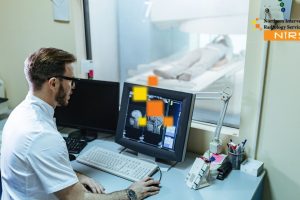
Using real-time X-ray imaging (fluoroscopy), the interventional radiologist carefully guides the catheter toward the target blood vessels.
3️⃣ Contrast Injection
A special contrast dye is injected through the catheter. This dye highlights blood vessels on imaging screens, allowing doctors to clearly see blockages or abnormalities.
Patients may feel a warm sensation during dye injection — this is normal and temporary.
4️⃣ Diagnosis and Immediate Treatment (If Needed)
If a blockage is found, the doctor may immediately perform angioplasty or stenting to restore blood flow — all within the same session.
The entire procedure usually takes 30 to 60 minutes.
Step 4: After the Procedure (Recovery Phase)
Once the catheter is removed, pressure is applied to prevent bleeding. A bandage is placed on the insertion site.
Recovery typically includes:
- Resting in a monitoring area for a few hours
- Checking blood pressure and heart rate
- Monitoring the insertion site
Most patients go home the same day or within 24 hours.
What to Expect After Angiography
Recovery from angiography is generally quick because it is minimally invasive.
Patients are advised to:
- Avoid heavy lifting for a few days
- Drink plenty of fluids to flush out contrast dye
- Monitor the insertion site for swelling or unusual pain
Most individuals resume normal activities within 48 hours.
Benefits of Angiography at NIRS
Choosing Northern Interventional Radiology Services (NIRS) ensures:
- Advanced imaging technology
- Highly trained interventional radiologists
- Safe, sterile environment
- Minimally invasive techniques
- Quick recovery time
Angiography at NIRS not only provides accurate diagnosis but also allows immediate treatment when required.
Why Angiography Is Safer Than Traditional Surgery
Compared to open surgical exploration, angiography offers:
- No large incisions
- Minimal blood loss
- Lower infection risk
- Faster recovery
- Reduced hospital stay
This makes it a preferred diagnostic and treatment option for vascular conditions.
Risks and Safety Measures
Like any medical procedure, angiography carries minimal risks such as:
- Minor bleeding
- Bruising
- Allergic reaction to contrast dye
At NIRS, strict safety protocols are followed to minimize complications. Patients are carefully screened beforehand to ensure suitability.
When Should You Consider Angiography?
You may need angiography if:
- Non-invasive tests suggest artery blockage
- You have unexplained chest pain
- You experience poor circulation in legs
- You have high risk of heart disease
Early detection through angiography can prevent heart attacks, strokes, and severe complications.
Final Thoughts
Understanding From Diagnosis to Recovery: What Happens During an Angiography Procedure helps patients make informed healthcare decisions. Angiography is a safe, minimally invasive, and highly effective method to diagnose and treat vascular conditions.
At NIRS (Northern Interventional Radiology Services), patients receive expert care from consultation to recovery. With advanced equipment and experienced specialists, NIRS ensures accurate diagnosis, timely treatment, and faster healing.
If you are experiencing symptoms of blocked arteries or vascular disease, consult NIRS today for professional evaluation and advanced angiography services.