How Liver Cancer Embolization Targets Tumors Safely | NIRS
Liver cancer treatment has evolved dramatically with the advent of minimally invasive interventional radiology (IR) procedures. One such procedure, liver cancer embolization, allows physicians to precisely target tumors while minimizing damage to healthy liver tissue. At NIRS (Northern Interventional Radiology Services), we offer world-class image-guided embolization techniques that ensure safe and effective tumor management.
This guide explains how liver cancer embolization targets tumors safely, the procedure, benefits, recovery, and why NIRS is a trusted leader in interventional radiology.
What Is Liver Cancer Embolization?
Liver cancer embolization is a minimally invasive procedure designed to block the blood supply to liver tumors, starving the cancer cells of oxygen and nutrients. This targeted approach can:
- Reduce tumor size
- Slow cancer progression
- Enhance the effectiveness of additional therapies
Unlike traditional surgery, embolization avoids large incisions, minimizes blood loss, and protects healthy liver tissue.
At NIRS, we use advanced imaging systems to ensure precise catheter placement and targeted delivery of embolic agents.
How Liver Cancer Embolization Targets Tumors Safely
1. Image-Guided Precision
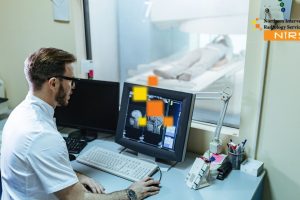
Using CT, MRI, or fluoroscopy guidance, interventional radiologists at NIRS navigate tiny catheters directly into the artery feeding the tumor. This ensures embolization agents affect only the tumor while leaving healthy liver tissue intact.
2. Selective Blood Vessel Blockage
Embolization agents such as microspheres, beads, or chemo-drugs are delivered directly into the tumor-feeding arteries. This selective approach maximizes tumor destruction and reduces side effects.
3. Minimally Invasive Access
The procedure typically involves a small puncture in the groin or arm, avoiding major surgical incisions. Recovery is faster, and risks associated with open surgery are minimized.
4. Combination with Targeted Therapy
In some cases, chemoembolization (TACE) combines embolization with localized chemotherapy, enhancing treatment efficacy while keeping systemic side effects low.
5. Continuous Monitoring
Throughout the procedure, real-time imaging ensures that the embolic agents are precisely delivered and that healthy tissue remains unharmed.
Who Can Benefit from Liver Cancer Embolization?
Patients may be candidates for embolization if they:
- Have primary liver cancer (hepatocellular carcinoma)
- Cannot undergo surgery due to medical conditions
- Need tumor shrinkage prior to surgery
- Require palliative treatment for symptom relief
NIRS specialists evaluate each patient using advanced imaging and lab tests to determine the safest and most effective treatment plan.
The Liver Cancer Embolization Procedure at NIRS
Step-by-Step Overview:
- Pre-Procedure Preparation
- Detailed imaging review
- Blood tests and patient evaluation
- Local Anesthesia and Sedation
- Ensures patient comfort during the procedure
- Catheter Navigation
- A tiny catheter is inserted into the femoral or radial artery
- Advanced imaging guides it to the tumor-feeding vessels
- Embolization Agent Delivery
- Microspheres or chemo-drugs are injected to block blood flow
- Real-time imaging confirms precise delivery
- Post-Procedure Monitoring
- Patients are observed for a few hours or overnight
- Follow-up imaging evaluates treatment success
The entire procedure usually takes 1–2 hours, and patients can often return to normal activities within days.
Benefits of Liver Cancer Embolization at NIRS
- ✅ Targeted Tumor Destruction – Healthy tissue remains unharmed
- ✅ Minimally Invasive – Small puncture, no major surgery
- ✅ Shorter Recovery – Faster return to daily life
- ✅ Reduced Side Effects – Localized treatment minimizes systemic toxicity
- ✅ Advanced Imaging Guidance – Ensures precision and safety
Patients at NIRS benefit from comprehensive care, expert monitoring, and world-class interventional radiology technology.
Recovery and Aftercare
Most patients experience:
- Mild pain or soreness at the catheter site
- Temporary fatigue for a few days
- Short hospital stay or same-day discharge depending on procedure complexity
- Regular follow-up imaging and check-ups
At NIRS, we provide personalized aftercare to ensure optimal healing and monitoring of tumor response.
Why Choose NIRS for Liver Cancer Embolization?
NIRS stands out due to:
- Highly skilled interventional radiologists
- State-of-the-art imaging and embolization technology
- Patient-focused, minimally invasive procedures
- Comprehensive liver cancer care including follow-up and monitoring
- Proven track record in Pakistan and AJK for safe tumor management
Patients trust NIRS for advanced liver cancer treatment that targets tumors safely and reduces complications.
Conclusion
Liver cancer embolization at NIRS represents the next generation of tumor-targeted therapy. By combining precision, safety, and minimally invasive techniques, patients can achieve effective tumor control with faster recovery and fewer risks.
📞 Book your consultation at NIRS today to experience safe, advanced liver cancer embolization performed by expert interventional radiologists.