Advanced Relief for Leg Pain Peripheral Angioplasty | NIRS
Leg pain is often ignored until it becomes severe enough to limit walking, standing, or even normal daily activities. But many people do not realize that persistent leg pain, numbness, coldness, or cramps can be caused by blocked arteries—a condition known as Peripheral Artery Disease (PAD).
At NIRS (Northern Interventional Radiology Services), patients suffering from PAD receive modern, non-surgical treatment known as Peripheral Angioplasty, a highly effective procedure that restores blood flow and eliminates artery-related leg pain.
This page explains everything you need to know about blocked arteries, symptoms, diagnosis, treatment, and why NIRS is Pakistan’s trusted center for peripheral angioplasty.
Understanding Leg Pain Due to Blocked Arteries
Blocked arteries occur when cholesterol, plaque, or calcium deposits harden inside the blood vessels, narrowing the passageway and reducing blood supply to the legs. When the muscles do not receive enough oxygen-rich blood, pain begins—especially during walking or physical activity.
Common symptoms include:
- Sharp or burning leg pain
- Cramping while walking
- Coldness in feet or toes
- Weak pulses in the legs
- Skin color changes
- Slow wound healing
- Numbness or tingling
PAD is dangerous because it can eventually lead to:
- Non-healing ulcers
- Severe infections
- Gangrene
- Risk of limb loss
Early treatment is the key to preventing complications—and peripheral angioplasty is one of the safest, fastest solutions available.
What Is Peripheral Angioplasty?
Peripheral angioplasty is a minimally invasive, non-surgical procedure used to open blocked arteries in the legs. Instead of cutting or stitching, doctors at NIRS use image guidance to navigate a tiny catheter to the blockage site and reopen the artery.
This procedure:
- Restores blood flow
- Reduces or eliminates pain
- Prevents tissue damage
- Helps patients walk again without discomfort
- Avoids major surgery or long hospital stays
Peripheral angioplasty is especially effective for diabetic patients, elderly individuals, and people with severe circulation issues.
How NIRS Performs Peripheral Angioplasty
NIRS uses advanced imaging technology and internationally trained specialists to perform the procedure safely and precisely.
Here is what patients can expect:
1. Initial Consultation & Diagnosis
NIRS begins with a complete assessment:
- Medical history
- Symptoms evaluation
- Physical examination
- Doppler ultrasound
- Angiography
These tests pinpoint the exact location and severity of the artery blockage.
2. Local Anesthesia Only
Unlike surgery, peripheral angioplasty requires no general anesthesia. Only the access area (usually the groin or wrist) is numbed.
Benefits include:
- No pain
- No anesthesia risks
- Faster recovery
3. Pinhole Access Technique
The interventional radiologist makes a tiny 1–2 mm hole and inserts a catheter.
4. Live Imaging Navigation
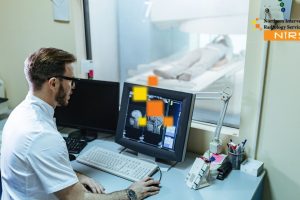
Using fluoroscopy and advanced imaging screens, the catheter is guided to the blocked artery.
5. Balloon Angioplasty
Once positioned, a tiny balloon inflates inside the blockage, pushing plaque aside and widening the artery.
6. Stent Placement (If Needed)
Sometimes a stent (a small metal tube) is placed to keep the artery open permanently.
7. Quick Closure and Discharge
After the procedure:
- No stitches are required
- Only a small bandage is applied
- Patients usually go home the same day
Benefits of Peripheral Angioplasty at NIRS
Choosing NIRS for this life-changing treatment ensures:
Fast Pain Relief
Most patients feel leg relief within hours after restoring blood circulation.
No Surgery, No Stitches
Minimally invasive procedures mean fewer risks and zero surgical trauma.
Short Recovery Time
Patients walk the same day and return to routine work within 24–48 hours.
High Success Rate
NIRS specialists have extensive experience in treating severe PAD cases.
Affordable & Accessible
Compared to traditional vascular surgery, angioplasty is cost-effective and safer.
Advanced Imaging Equipment
NIRS uses international-standard technology for maximum precision.
Who Needs Peripheral Angioplasty?
Peripheral angioplasty is essential for individuals who experience:
- Leg pain while walking
- Cramping that improves with rest
- Cold, weak, or numb feet
- Slow-healing leg wounds
- Blackened toes (early gangrene)
- Diabetic foot complications
If left untreated, blocked arteries can lead to amputations. Early treatment at NIRS helps restore blood flow and saves limbs from life-threatening damage.
Aftercare & Recovery at NIRS
After peripheral angioplasty, patients usually recover quickly. NIRS provides detailed post-procedure guidance such as:
- Light walking to improve blood flow
- Avoiding heavy lifting for 1–2 days
- Drinking plenty of water
- Keeping the access area clean
- Follow-up Doppler studies to ensure artery remains open
Patients typically resume normal activities within 48 hours.
Why NIRS Is Pakistan’s Best Center for Peripheral Angioplasty
NIRS is recognized for:
- Internationally trained interventional radiologists
- Personalized patient care
- Modern catheterization labs
- Zero-cutting treatment approaches
- Decades of combined expertise
- Successful outcomes even in complex diabetic cases
Patients from Rawalpindi, Islamabad, Taxila, Wah Cantt, and across Pakistan trust NIRS for safe and advanced non-surgical vascular treatments.
Get Relief from Leg Pain – Contact NIRS Today
If you are experiencing leg pain, numbness, or circulation problems, do not wait until the condition worsens. Peripheral angioplasty at NIRS can restore proper blood flow, relieve pain, save limbs, and dramatically improve your quality of life.
Your journey toward a pain-free life begins with one consultation.