What to Expect in Interventional Radiology | NIRS
Interventional Radiology (IR) has transformed modern medicine by offering minimally invasive, image-guided treatments that replace traditional surgery. At NIRS (Northern Interventional Radiology Services), patients benefit from world-class technology, experienced IR specialists, and safe procedures designed to reduce pain, risk, and recovery time.
If you are scheduled for an IR procedure or considering one, understanding each step of the process helps reduce anxiety and empowers you to make informed decisions. This comprehensive guide explains what to expect before, during, and after an interventional radiology procedure at NIRS.
The Role of NIRS in Modern Intervaentional Radiology
NIRS is one of Pakistan’s most advanced centers dedicated to non-surgical treatments using imaging techniques such as fluoroscopy, ultrasound, and CT guidance. Instead of large incisions, IR specialists use tiny needles and catheters to treat conditions involving the liver, kidneys, prostate, uterus, veins, arteries, tumors, and more.
Patients choose NIRS because of:
- Highly skilled and internationally trained IR consultants
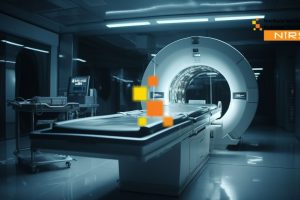
- State-of-the-art imaging and catheterization labs
- Zero cutting, zero stitches, minimal pain
- Fast procedures with same-day discharge
- Extremely low complication rates
- Patient-centered counseling and care
This makes NIRS the leading choice for individuals who prefer safer and faster treatments over traditional surgeries.
What to Expect Before Your IR Procedure at NIRS
Proper preparation ensures the best outcomes. At NIRS, the pre-procedure phase is designed to evaluate your health, plan the safest approach, and guide you through every requirement.
1. Consultation & Medical History Review
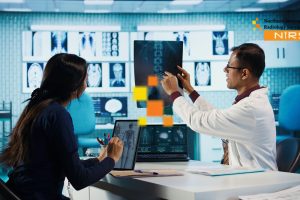
Your journey begins with a detailed consultation where the interventional radiologist reviews:
- Your symptoms
- Current medications
- Past surgeries
- Allergies
- Previous diagnostic tests
- Any chronic illnesses (diabetes, hypertension, cardiac issues)
This assessment helps identify the most suitable IR treatment for your condition.
2. Diagnostic Imaging
Depending on your condition, imaging tests may include:
- Ultrasound
- MRI
- CT Scan
- Doppler studies
- X-ray fluoroscopy
These images help create a customized treatment plan.
3. Medication Instructions
Patients are often advised to:
- Stop blood thinners temporarily (if required)
- Avoid certain diabetes medications
- Continue essential prescriptions
- Avoid eating for 4–6 hours before the procedure (depending on the treatment)
You receive a written and verbal guideline to avoid confusion.
4. Laboratory Tests
Tests may include:
- CBC
- Kidney function test
- Liver function test
- Coagulation profile
These results confirm that your body is ready for the procedure.
5. Pre-Procedure Counseling
NIRS staff explains:
- Step-by-step how the procedure works
- Expected sensations
- Post-procedure instructions
- Recovery timeline
This reduces fear and allows patients to feel confident and well-prepared.
What to Expect During Your IR Procedure at NIRS
Most interventional radiology procedures are completed within 30 minutes to 2 hours and require no general anesthesia.
1. Arrival & Preparation
Upon arrival:
- You change into a medical gown
- An IV line may be inserted
- Vital signs are recorded
- The target area (arm, wrist, or groin) is sterilized
2. Local Anesthesia Only
Unlike surgery, NIRS uses local anesthesia in most cases, ensuring:
- No pain
- No sedation side effects
- Faster recovery
You remain awake but relaxed throughout.
3. Pinhole Access Technique
The interventional radiologist makes a tiny pinhole incision—usually only 1–2 millimeters.
Using advanced imaging, a catheter is guided through blood vessels to reach the exact location requiring treatment.
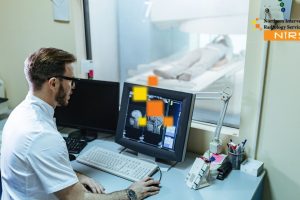
4. Live Imaging Guidance
The entire procedure is performed using:
- Fluoroscopy
- Ultrasound
- CT imaging
This ensures exceptional accuracy and safety.
5. Completion and Bandage
After the treatment:
- The catheter is removed
- A small bandage is applied
- No stitches are needed
- Pain is minimal or nonexistent
What to Expect After Your IR Procedure at NIRS
Recovery is one of the most significant advantages of interventional radiology.
1. Short Observation Period
Patients are monitored for 1–3 hours depending on the procedure. Vital signs are checked, and discomfort (if any) is minimal.
2. Same-Day Discharge
Most patients go home the same day, with simple after-care instructions.
3. Post-Procedure Care
You may be advised to:
- Avoid heavy lifting for 24–48 hours
- Stay hydrated
- Keep the bandage clean
- Rest on the day of the procedure
Medications may be prescribed only if necessary.
4. Follow-Up Appointments
NIRS schedules a follow-up visit to ensure the treatment is successful and healing is complete. Additional imaging may be recommended based on the procedure type.
5. Quick Return to Daily Life
Most individuals return to normal activities within 1–2 days—much faster than the 2–6 weeks required after surgery.
Why Choose NIRS for Your Interventional Radiology Procedure?
NIRS stands out because of:
- Highly experienced IR specialists
- Cutting-edge medical equipment
- Painless, incision-free procedures
- Advanced imaging for maximum precision
- Affordable treatment options
- Internationally approved protocols
- High patient satisfaction rates
- Personalized guidance before, during & after treatment
Choosing NIRS means choosing safety, comfort, accuracy, and faster healing.
Book Your Consultation at NIRS Today
Whether you’re preparing for a procedure or simply exploring your options, NIRS provides the most reliable guidance and minimally invasive treatment solutions in Pakistan.
Experience expert care every step of the way—from what to expect before, during, and after an interventional radiology procedure—to complete recovery and long-term health.