Advanced Minimally Invasive Alternatives for Women 40+ | NIRS
As women cross the age of 40, health priorities naturally shift. Hormonal changes, reproductive health challenges, pelvic disorders, varicose veins, and tumor-related concerns start becoming more common. Traditionally, surgery was considered the only effective option for many of these issues. However, medical science has evolved dramatically—thanks to Interventional Radiology (IR). At NIRS (Northern Interventional Radiology Services), women now have access to Minimally Invasive Alternatives to Surgery, making treatment safer, faster, and more comfortable.
These modern procedures require no open surgery, no stitches, and offer quicker recovery, allowing women to return to their daily routine with confidence. For women over 40, who often juggle careers, families, and health responsibilities, these advanced solutions are life-changing.
Why Minimally Invasive Procedures Matter After Age 40
As the body ages, recovery after major surgery becomes slower. Women over 40 often face:
- Higher surgical risks
- Longer healing time
- Hormonal imbalances
- Increased bleeding risks
- More complications under general anesthesia
This is where minimally invasive procedures offered by NIRS provide a safer and highly effective alternative.
These IR treatments use tiny catheters and advanced imaging to target the problem areas with precision. The result: maximum success with minimal discomfort.
Common Health Issues in Women Over 40 That NIRS Treats Without Surgery
Interventional radiology can treat numerous conditions that once required open surgery. Here are the most common ones affecting women over 40:
Uterine Fibroids – Non-Surgical UFE
Fibroids are extremely common after 40, often causing heavy bleeding, pelvic pressure, back pain, and infertility issues. Many women believe hysterectomy (removal of the uterus) is the only option. But at NIRS, Uterine Fibroid Embolization (UFE) offers a powerful, non-surgical solution.
Benefits of UFE for Women Over 40:
- No removal of uterus
- No stitches or surgical cuts
- Same-day discharge
- Permanent shrinkage of fibroids
- Relieves bleeding and pain
UFE is one of the most successful minimally invasive treatments available globally—and NIRS provides it with world-class precision.
Pelvic Congestion Syndrome – Ovarian Vein Embolization
Chronic pelvic pain is a major complaint among women over 40. One often-overlooked cause is Pelvic Congestion Syndrome (PCS), where pelvic veins become enlarged and painful.
NIRS provides Ovarian Vein Embolization, a modern technique that blocks faulty veins and restores proper blood flow.
Why women over 40 prefer this:
- Offers fast relief from chronic pelvic pain
- No hospitalization required
- Reduces heaviness, swelling, and discomfort
- Eliminates painful varicose veins in the pelvis
Varicose Veins – Non-Surgical Laser & Glue Treatment
Varicose veins become more common with age, especially among women who stand for long hours or have been through multiple pregnancies. Instead of painful vein-stripping surgery, NIRS offers advanced IR treatments such as:
- Endovenous Laser Treatment (EVLT)
- Radiofrequency Ablation (RFA)
- Venaseal Glue Treatment
These provide:
- Smooth, pain-free legs
- Faster healing
- No cuts or stitches
- Significant cosmetic improvement
Kidney & Liver Tumor Ablation – A Surgery-Free Option
Tumor risks increase after age 40. Traditionally, tumor removal required open surgery. But now, NIRS offers:
- Radiofrequency Ablation (RFA)
- Microwave Ablation (MWA)
- Cryoablation
These methods destroy tumors using heat or cold—without opening the body.
Benefits for women over 40:
- Minimally invasive
- Shorter hospital stay
- Lower risk than surgical tumor removal
- Suitable for those who cannot undergo major surgery
Thyroid Nodule Ablation – No Surgery Needed
Benign thyroid nodules become common in women after midlife. Instead of removing the thyroid surgically, NIRS performs:
- Radiofrequency Thyroid Ablation
It shrinks thyroid nodules without scars or hormone dependence.
How Minimally Invasive Procedures Work at NIRS
All IR treatments at NIRS follow a structured, safe, and comfortable process:
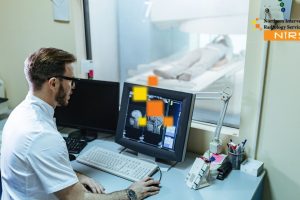
- Initial Consultation & Imaging
Ultrasound, MRI, or CT scans are used to analyze the condition precisely. - Procedure Planning
A customized treatment plan is created for each woman. - The Procedure
A tiny catheter (thinner than a pencil) is inserted through a pinhole.
Advanced imaging guides the treatment directly to the problem area. - Recovery
Most patients return home the same day.
Normal routine resumes in 2–3 days.
This makes IR treatments ideal for women over 40 who prefer faster recovery and minimal disruption to their routine.
Benefits of Minimally Invasive Alternatives for Women Over 40
Women choosing NIRS procedures experience:
- Less pain
- No surgical scars
- Minimal bleeding
- No general anesthesia
- Quick return to work
- Lower cost compared to major surgery
- High success rates
- Preservation of organs (uterus, ovaries, thyroid, kidneys)
These benefits make minimally invasive procedures the future of women’s healthcare in Pakistan.
Why NIRS Is the Best Choice in Pakistan for Women Over 40
NIRS stands at the forefront of interventional radiology, offering high-tech medical solutions that eliminate the need for surgery.
What makes NIRS exceptional:
- Highly skilled interventional radiologists
- Modern imaging technology
- Affordable prices
- Internationally approved techniques
- Comfortable patient-focused care
- High success and satisfaction rate
NIRS ensures women receive safe, reliable, and advanced treatment options with dignity and care.
Conclusion
Minimally Invasive Alternatives to Surgery for Women Over 40 are transforming healthcare across Pakistan. With the expertise of NIRS, women can now avoid painful surgeries, long hospital stays, and unnecessary complications. Whether it’s fibroids, pelvic pain, varicose veins, tumors, or thyroid nodules — NIRS provides safe, effective, and life-changing solutions.