How UFE Uterine Fibroid Embolization Works | NIRS Benefits, Procedure & Recovery
Uterine fibroids affect millions of women worldwide, especially in regions like Pakistan where advanced medical information is still developing. Many women struggle with heavy bleeding, pelvic pressure, painful periods and fertility issues caused by fibroids. Until recently, major surgeries like hysterectomy were considered the only reliable option. But today, minimally invasive technology has transformed women’s healthcare. One of the most advanced treatments is UFE, also known as Uterine Fibroid Embolization.
At NIRS – Northern Interventional Radiology Services in Taxila, we specialize in providing safe, effective and non-surgical fibroid treatment through UFE. This procedure has become one of the most trusted alternatives for women who want to relieve symptoms while preserving their uterus. If you want to understand how UFE works, its benefits, the step-by-step procedure and what recovery looks like, this detailed guide will help you make the right decision for your health.
Understanding UFE and How It Works
Uterine Fibroid Embolization is a minimally invasive technique performed by an interventional radiologist. Instead of removing the fibroids manually through surgery, UFE works by cutting off their blood supply. Every fibroid depends on small arteries for its growth and survival. When those arteries are blocked using tiny medical particles, the fibroids shrink naturally over time, leading to symptom relief.
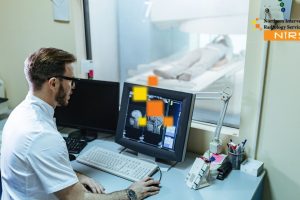
At NIRS, the entire process is guided through advanced imaging systems that provide real-time visuals of the arteries. This ensures maximum precision and safety, making UFE one of the most effective fibroid treatments for women in Pakistan who want a modern, uterus-preserving option.
Symptoms That UFE Can Treat
UFE is particularly effective for women experiencing:
• Heavy or prolonged menstrual bleeding
• Pelvic pressure or fullness
• Frequent urination
• Back or leg pain related to fibroids
• Pain during sexual intercourse
• Infertility linked to fibroid size or position
• Anemia caused by excessive bleeding
Because UFE treats all fibroids at once, regardless of size or number, it is a preferred solution for women with multiple fibroid clusters.
Step-by-Step UFE Procedure at NIRS
The UFE treatment at NIRS follows international standards. Here is what you can expect during the procedure:
Initial Evaluation
Before the treatment, our interventional radiologists conduct a complete assessment that includes ultrasound, MRI and clinical consultation. This ensures that the fibroids are well-mapped and UFE is the best option for you.
Procedure Day
UFE is performed in our advanced interventional radiology suite. The procedure starts with a tiny needle puncture in the wrist or groin. A thin catheter is inserted and guided towards the arteries supplying the fibroids. Using real-time imaging, tiny embolic particles are released to block the blood flow.
Because the incision is extremely small, there are no stitches and very minimal scarring. The entire procedure usually takes between 45 and 60 minutes.
After the Procedure
Most patients rest for a few hours and are discharged the same day. Pain management medications are provided for the first 24–48 hours, and our medical team monitors your progress closely.
Benefits of UFE Treatment at NIRS
Women across Pakistan are choosing UFE over traditional surgery because of the many advantages it offers. Some of the key benefits include:
• No major surgery and no hospital stay
• Quick recovery and return to normal activities
• Preservation of the uterus and reproductive function
• Minimal blood loss
• Immediate reduction in heavy bleeding
• Long-term relief from pelvic pain and pressure
• Ability to treat multiple fibroids at the same time
• Reduced risk of complications compared to hysterectomy
At NIRS, our advanced imaging systems and skilled interventional radiologists ensure high accuracy, making UFE a safe and effective option.
Recovery After UFE
One of the biggest reasons for UFE’s popularity is the fast recovery. Most women return to their routine within a few days. Mild cramping, fatigue or low-grade fever may occur, but these symptoms usually improve quickly.
Our recovery guidelines include:
• Rest for 48–72 hours
• Light activities for the first week
• Avoiding heavy lifting for 7–10 days
• Follow-up checks after 1 month and 3 months
After UFE, fibroids begin to shrink over several weeks. Most women experience noticeable improvement within one menstrual cycle, while full results may appear within 3–6 months.
Why Choose NIRS for UFE Treatment in Pakistan
Northern Interventional Radiology Services is one of Pakistan’s leading centers for minimally invasive treatments. Patients from Taxila, Rawalpindi, Wah Cantt and Islamabad trust NIRS because of our advanced imaging technology, experienced specialists and personalized care.
At NIRS, UFE is performed by certified interventional radiologists using the latest equipment and American-standard protocols. We focus on patient comfort, safety and long-term relief. Every case is managed individually to ensure the best possible result.
Our facility provides:
• State-of-the-art imaging and catheterization lab
• Highly trained interventional radiology experts
• Comfortable patient care environment
• Transparent and affordable service
• Complete pre- and post-procedure guidance
Schedule Your UFE Consultation Today
If you are experiencing symptoms of fibroids and searching for a non-surgical solution, UFE at NIRS may be the right choice. With advanced technology and expert care, we offer one of the safest and most effective treatments available in Pakistan.
Contact NIRS today to book your consultation and begin your journey toward a healthier, pain-free life.