3D Imaging and Robotics in Interventional Radiology
Interventional radiology (IR) is transforming modern medicine by providing minimally invasive alternatives to surgery, reducing recovery times, and improving patient outcomes. Recent advancements in 3D imaging and robotic technology are taking these treatments to the next level, enabling unprecedented precision and safety. At Northern Interventional Radiology Services (NIRS), we integrate these technologies to provide world-class care across a wide range of conditions.
The Role of 3D Imaging in Interventional Radiology
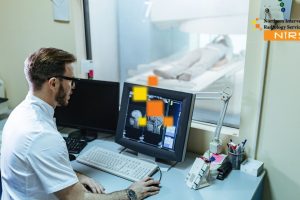
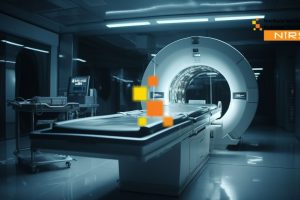
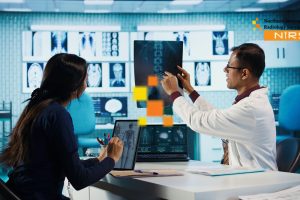
3D imaging uses advanced imaging modalities like CT, MRI, and 3D fluoroscopy to create detailed, three-dimensional representations of internal anatomy. This technology allows interventional radiologists to:
- Visualize complex vascular or organ structures in multiple planes
- Accurately target lesions, tumors, or blocked arteries
- Plan interventions with precision, reducing procedural risks
- Monitor procedures in real-time to ensure correct placement of devices or catheters
By providing a comprehensive view of the anatomy, 3D imaging minimizes errors and complications, especially in delicate procedures such as tumor ablation, vascular interventions, and spine procedures.
How Robotics Enhances IR Procedures
Robotic-assisted interventional systems are designed to improve procedural accuracy and consistency. They work in tandem with 3D imaging to:
- Guide needles, catheters, and other instruments with high precision
- Reduce hand tremor and operator fatigue during long procedures
- Enable minimally invasive approaches even in complex anatomical areas
- Enhance reproducibility and efficiency in repeated procedures
At NIRS, combining 3D imaging with robotics ensures that every procedure is performed with maximum safety and effectiveness, allowing patients to recover faster and experience fewer complications.
Key Benefits of 3D Imaging and Robotics in IR
- Precision and Accuracy: High-resolution imaging and robotic guidance allow for precise targeting of tumors, vessels, and nerves.
- Minimally Invasive Approach: Small incisions or punctures reduce tissue damage and lower recovery times.
- Reduced Complications: Accurate navigation minimizes the risk of bleeding, infection, or organ injury.
- Shorter Procedure Time: Real-time imaging combined with robotics streamlines procedures.
- Better Patient Outcomes: Faster recovery, less pain, and improved overall safety enhance patient satisfaction.
Applications of 3D Imaging and Robotics at NIRS
At NIRS, these technologies are applied across multiple interventional radiology procedures:
- Liver Tumor Ablation: Accurate targeting of liver tumors using 3D imaging and robotic needle guidance minimizes damage to surrounding tissue.
- Vascular Interventions: Stenting, angioplasty, and embolization procedures are safer and more precise with robotic-assisted navigation.
- Spine Procedures: Herniated disc interventions and nerve decompression benefit from enhanced visualization and robotic precision.
- Fibroid Embolization: 3D imaging ensures correct catheter placement to block blood flow to uterine fibroids, improving outcomes.
- Biopsies and Drainages: Robotic guidance ensures accurate sampling and drainage with minimal patient discomfort.
Why NIRS Leads in Advanced Interventional Radiology
- State-of-the-Art Technology: Integration of the latest 3D imaging and robotic systems.
- Expert Interventional Radiologists: Highly trained specialists skilled in advanced procedures.
- Patient-Centered Care: Individualized treatment plans to maximize safety and effectiveness.
- Comprehensive Services: From minimally invasive spine procedures to liver tumor ablation and fibroid embolization, NIRS offers a full spectrum of IR solutions.
Future of Interventional Radiology
The integration of 3D imaging and robotics is just the beginning. Future advancements may include:
- AI-assisted planning and real-time decision-making
- Remote robotic procedures for specialized care
- Enhanced simulation and training for interventional radiologists
These innovations promise even safer, faster, and more effective treatments for patients across Pakistan and beyond.
Final Thoughts
3D imaging and robotic assistance are revolutionizing interventional radiology. At Northern Interventional Radiology Services (NIRS), these technologies allow our specialists to perform complex procedures safely, accurately, and minimally invasively, improving recovery times and patient outcomes.
Patients seeking treatment for tumors, vascular disorders, spine pain, or fibroids can benefit from these advanced interventions. By combining cutting-edge imaging, robotics, and expert care, NIRS is setting new standards in modern medicine.