Ozone Therapy for Spine Pain Before Surgery
Spine pain is one of the most common reasons patients seek medical care, affecting mobility, productivity, and quality of life. Traditional surgery often becomes the last resort, involving large incisions, long recovery times, and potential complications. Fortunately, ozone therapy offers a minimally invasive, highly effective option for managing spine pain and may delay or even prevent the need for surgery.
At Northern Interventional Radiology Services (NIRS), ozone therapy is part of a comprehensive suite of interventional radiology procedures designed to improve patient outcomes safely and efficiently.
What is Ozone Therapy?
Ozone therapy involves injecting a medical-grade oxygen-ozone mixture directly into the affected spinal area, typically around herniated discs or degenerative vertebrae. The procedure works by:
- Reducing inflammation and swelling
- Relieving nerve compression
- Promoting tissue healing
- Enhancing local oxygenation
Because it is minimally invasive, ozone therapy avoids large incisions and general anesthesia, offering a faster, safer alternative to traditional surgery.
How Ozone Therapy Works
- Diagnosis and Planning
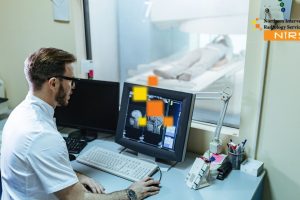
Accurate imaging such as MRI or CT scans identifies the source of spine pain. This ensures the injection targets the exact location requiring treatment. - Procedure
Under local anesthesia, a small needle is guided to the affected disc or spinal area. The ozone mixture is then injected precisely. Most procedures take 20–30 minutes, and patients can usually go home the same day. - Post-Treatment Recovery
Mild soreness or fatigue is normal for a day or two, but most patients resume normal activities within days, unlike traditional spinal surgery which may require weeks of recovery. - Follow-Up Care
NIRS specialists provide follow-up imaging and ongoing evaluation to ensure optimal results. In some cases, additional treatments are scheduled to maximize effectiveness.
Benefits of Ozone Therapy for Spine Pain
Ozone therapy provides several advantages over traditional surgery:
- Minimally Invasive: Small punctures rather than large surgical incisions
- Faster Recovery: Patients often resume daily routines within days
- Reduced Pain and Inflammation: Targets affected tissues directly
- Potential to Avoid Surgery: Some patients achieve significant relief without needing an operation
By addressing the root causes of pain while limiting systemic stress on the body, ozone therapy offers a patient-centered alternative to invasive procedures.
Conditions Treated With Ozone Therapy
Ozone therapy is effective for a variety of spine-related conditions:
- Herniated or Bulging Discs
- Sciatica and Nerve Compression
- Degenerative Spine Disorders
- Chronic Lower Back Pain
- Facet Joint Disorders
These treatments are often combined with other minimally invasive spine interventions and rehabilitation programs to ensure long-term relief and mobility improvement.
Why Choose NIRS for Ozone Therapy
- Expert Team: Our interventional radiologists specialize in spine and musculoskeletal procedures.
- Advanced Imaging: Precision guidance ensures accurate, safe ozone injections.
- Patient-Centric Approach: Customized treatment plans address individual pain patterns and recovery goals.
- Comprehensive Care: NIRS also provides complementary treatments like tumor and liver cancer ablation procedures, uterine fibroid embolization, and peripheral artery disease interventions for holistic minimally invasive care.
Patient Experiences
Patients report notable improvements after ozone therapy:
- Significant pain reduction and improved mobility
- Minimal discomfort during and after the procedure
- Faster return to work and daily activities
- Reduced reliance on pain medications
Ozone therapy empowers patients to manage spine pain effectively before considering surgery.
Final Thoughts
Ozone therapy at NIRS represents a revolutionary step in spine care, offering minimally invasive, effective pain relief while potentially delaying the need for surgery. Combined with expert care, advanced imaging, and complementary interventional procedures, it provides patients a safer, faster, and more comfortable pathway to recovery.
If you suffer from chronic spine pain, herniated discs, or nerve compression, consider exploring ozone therapy at NIRS https://nirs.com.pk/. Our team is dedicated to providing personalized, high-quality care that helps you regain mobility, reduce pain, and improve your quality of life.