Best Tumor Treatment in Abbottabad with Radiology | NIRS
The word tumor often causes fear, but not all tumors are the same. Some are benign (non-cancerous), while others may be malignant (cancerous). Regardless of type, tumors can cause distressing symptoms and require proper diagnosis and treatment.
Traditionally, surgery has been the primary treatment option for removing or controlling tumors. However, surgery is not always possible or safe, especially for patients with other health conditions. Today, interventional radiology (IR) offers a powerful alternative. Through minimally invasive, image-guided procedures such as tumor ablation, embolization, and biopsy, patients now have safer and more effective treatment options.
This blog will explore common tumor symptoms, challenges of surgery, how interventional radiology works, and why early detection saves lives.
Common Symptoms of Benign and Malignant Tumors
Tumors can develop in different organs of the body, and symptoms vary depending on location and size. While some tumors are silent in early stages, others present clear warning signs.
1. Pain and Discomfort
- Persistent pain in a specific area of the body.
- Pain caused by pressure on surrounding nerves, muscles, or organs.
2. Swelling or Lumps
- A visible or palpable lump under the skin.
- Internal swelling that causes fullness, bloating, or discomfort.
3. Unexplained Weight Loss
- Rapid weight loss without diet or exercise.
- Often associated with malignant tumors that alter metabolism.
4. Fatigue and Weakness
- Constant tiredness despite rest.
- Caused by the body’s immune system fighting abnormal cells.
5. Organ-Specific Symptoms
- Lung tumors: coughing, shortness of breath, chest pain.
- Liver tumors: jaundice, abdominal pain, loss of appetite.
- Brain tumors: headaches, vision problems, seizures.
- Breast tumors: lumps, nipple discharge, skin changes.
👉 If you experience these symptoms, it’s important to seek professional medical evaluation.
Why Many Tumors Are Difficult to Treat with Surgery
Surgery has long been considered the standard treatment for tumors, but it is not always the best option.
Challenges of Tumor Surgery:
- Location of Tumor: Some tumors are deep inside vital organs where surgery is highly risky.
- Patient Health: Older patients or those with conditions like diabetes or heart disease may not tolerate surgery.
- Recovery Time: Tumor surgeries often require weeks of hospitalization and recovery.
- Incomplete Removal: In some cases, complete removal is impossible without damaging healthy tissue.
- High Costs: Surgery can be expensive and may not be affordable for all patients.
Because of these challenges, many patients are turning to interventional radiology—a minimally invasive approach that treats tumors effectively while sparing healthy tissue.
Interventional Radiology Solutions for Tumors
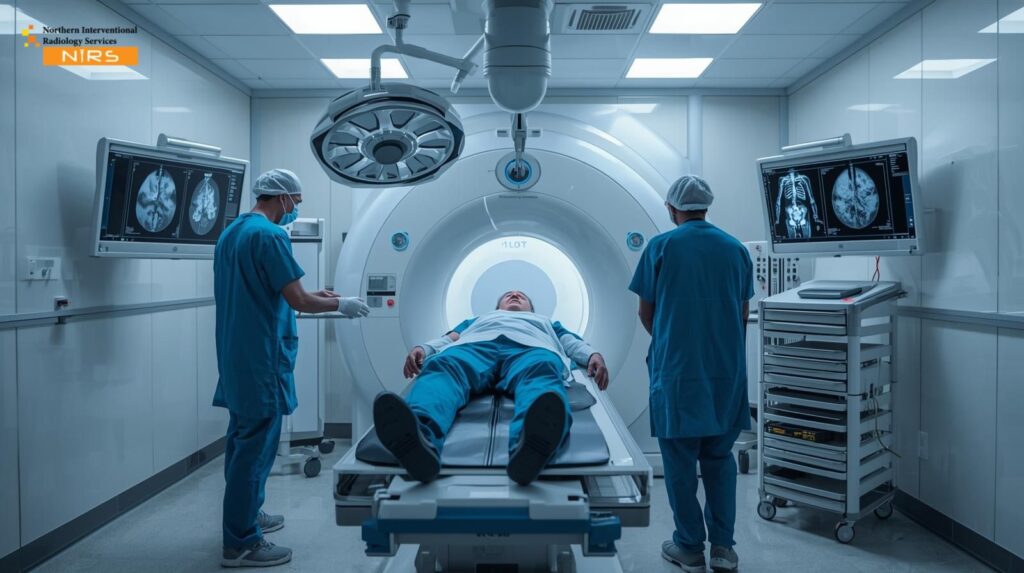
Interventional radiology uses advanced imaging technologies such as CT scans, MRI, and ultrasound to guide small instruments directly to the tumor.
1. Tumor Ablation
- Uses heat (radiofrequency or microwave), cold (cryoablation), or chemicals to destroy tumor cells.
- Performed through a thin needle inserted directly into the tumor under image guidance.
- Ideal for tumors in the liver, kidney, lungs, and bones.
- Minimally invasive with faster recovery compared to surgery.
2. Tumor Embolization
- Blocks the blood supply feeding the tumor, causing it to shrink.
- Commonly used for liver tumors and uterine fibroids.
- Highly effective for patients who are not candidates for surgery.
3. Tumor Biopsy
- Small samples of tissue are taken from the tumor for laboratory analysis.
- Essential for diagnosing whether a tumor is benign or malignant.
- Guided by CT or ultrasound to ensure precise sampling.
With these solutions, patients can avoid the risks of traditional surgery while still receiving effective treatment.
Benefits of Interventional Radiology for Tumor Treatment
Patients across Pakistan are increasingly benefiting from tumor treatment through interventional radiology, especially at centers like NIRS Abbottabad.
- Minimally Invasive: No large incisions—only a tiny puncture.
- Organ-Sparing: Healthy tissue around the tumor remains untouched.
- Safe and Precise: Real-time imaging ensures accuracy.
- Faster Recovery: Most procedures are same-day or require only short hospital stays.
- Cost-Effective: Less expensive compared to major surgeries.
- Repeatable: Procedures can be performed multiple times if needed.
Case Example: The Power of Early Detection
Consider a patient diagnosed with a small liver tumor. Traditionally, surgery would mean removing part of the liver—a major operation with risks. But with image-guided tumor ablation, the tumor can be destroyed without major surgery, preserving liver function.
Another example is a patient with uterine fibroids causing pain and heavy bleeding. Instead of hysterectomy (removal of the uterus), uterine artery embolization can shrink fibroids, relieve symptoms, and preserve fertility.
These cases show why early detection matters. Smaller tumors are easier to treat with minimally invasive techniques, giving patients the best chance for full recovery.
Why Choose NIRS Abbottabad for Tumor Treatment?
- Expert Radiologists specializing in tumor ablation, embolization, and biopsy.
- State-of-the-art imaging technology for precision and safety.
- Compassionate care tailored to each patient’s condition.
- Trusted center in Pakistan for interventional radiology and diagnostic imaging.
Conclusion
Tumors can be frightening, but modern medicine offers more options than ever before. While surgery still has its place, interventional radiology is revolutionizing tumor treatment in Pakistan.
Through tumor ablation, embolization, and biopsy, patients can receive safe, precise, and organ-sparing treatment without the long recovery and risks of surgery.
At NIRS Abbottabad, patients find not only advanced technology but also compassionate care that prioritizes safety, comfort, and hope.
If you or a loved one experiences unexplained pain, swelling, fatigue, or weight loss, don’t delay. Early detection and timely treatment through interventional radiology can make all the difference.