NIRS Interventional Radiology Patient Experience | Best Care
🏥 What Is Interventional Radiology?
Interventional radiology (IR) is a revolutionary medical field that blends advanced imaging techniques with minimally invasive procedures to diagnose and treat a variety of health conditions. Unlike traditional surgeries, IR procedures are performed using small incisions, specialized instruments, and real-time imaging like ultrasound, CT scans, or fluoroscopy. This allows doctors to navigate the body with precision, reducing trauma and enhancing patient safety.
At Northern Interventional Radiology Services (NIRS), we are committed to delivering top-tier care through the latest in imaging-guided treatments. One of the most significant aspects of our practice is the interventional radiology patient experience, which prioritizes comfort, accuracy, and faster recovery times.

Interventional Radiology Patient Experience: A Better Way to Heal
Patients undergoing interventional radiology often report a superior care experience compared to traditional surgical options. From shorter hospital stays to minimal scarring, the interventional radiology patient experience is shaped by less invasive techniques and state-of-the-art technology. At NIRS, we ensure that each patient is fully informed, comfortable, and supported before, during, and after the procedure.
Why IR Is a Game-Changer
- Less Invasive: Most procedures require only a needle puncture or small incision.
- Shorter Recovery: Patients often return to normal activities much faster.
- Lower Risk: Reduced chances of complications like infection or bleeding.
- No General Anesthesia: Most IR treatments use local anesthesia or mild sedation.
- Precision-Based Treatments: Imaging guidance ensures high accuracy.
🔄 The Shift Toward Minimally Invasive Treatments
In recent years, there has been a significant shift in healthcare towards minimally invasive treatments, and interventional radiology (IR) is leading this transformation. Traditionally, many medical conditions required open surgeries, longer hospital stays, and extensive recovery periods. But today, thanks to advancements in image-guided procedures, patients can benefit from precise treatments with fewer risks and faster recovery times.
Why This Shift Matters for Patients
The move toward minimally invasive care is not just about convenience—it’s about improving outcomes. Patients undergoing interventional radiology often experience:
- Less pain and discomfort
- Lower risk of infection
- Reduced hospital stay (often same-day discharge)
- Minimal scarring
- Faster return to normal life
These improvements have made interventional radiology patient experience one of the most positive in the medical field. With fewer complications and greater comfort, patients now prefer IR over conventional surgery whenever possible.
The Role of Technology
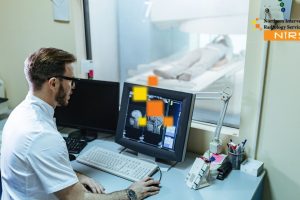
Advanced imaging techniques like CT scans, ultrasound, and fluoroscopy allow interventional radiologists to see inside the body in real-time, guiding tools with incredible precision. This eliminates the need for large incisions, making treatments more accurate and less traumatic.
Northern Interventional Radiology Services (NIRS): Leading the Change
At Northern Interventional Radiology Services (NIRS), we embrace this shift by offering a wide range of minimally invasive, image-guided treatments tailored to individual patient needs. Our goal is to provide care that’s not only highly effective but also designed with the patient’s comfort in mind.
By focusing on the interventional radiology patient experience, NIRS is helping reshape modern healthcare—making it less invasive, more personal, and far more impactful.
✨ Key Procedures That Transform Patient Outcomes
Interventional radiology (IR) offers a wide range of minimally invasive procedures that have significantly improved the interventional radiology patient experience. These procedures are not only safer alternatives to traditional surgery but also result in faster recovery and better overall outcomes. Below are some of the key procedures in IR that are reshaping patient care:
1. Angioplasty and Stent Placement
Used to treat narrowed or blocked blood vessels, angioplasty involves inserting a balloon catheter to open up arteries, often followed by stent placement to keep them open. It’s a life-saving procedure for patients with cardiovascular disease and has drastically reduced the need for open-heart surgery.
2. Embolization Therapy
This technique is used to block abnormal blood flow to certain areas of the body—such as tumors or aneurysms. Types include:
- Uterine Fibroid Embolization (UFE) – A non-surgical option for women with fibroids.
- Prostate Artery Embolization (PAE) – Helps treat enlarged prostate symptoms.
- Tumor Embolization – Reduces tumor blood supply before surgery or shrinks inoperable cancers.
These procedures greatly enhance the interventional radiology patient experience by offering relief without major surgery.
3. Image-Guided Biopsies
Instead of surgical biopsies, radiologists can now use ultrasound or CT guidance to take tissue samples through a small needle. This method is less painful, carries fewer risks, and is much faster—providing patients a more comfortable and efficient diagnostic experience.
4. Drainage of Abscesses and Fluids
Using imaging guidance, radiologists can place catheters to drain infected or excess fluids from the body. This procedure often prevents the need for open surgery and allows quicker healing from infections.
5. Vertebroplasty and Kyphoplasty
These spine procedures are used to treat compression fractures caused by osteoporosis or trauma. A special bone cement is injected to stabilize the vertebrae, relieving pain and restoring mobility in patients almost immediately.
6. Tumor Ablation (RFA and MWA)
Techniques like radiofrequency ablation (RFA) and microwave ablation (MWA) use heat to destroy tumors in organs like the liver, kidneys, or lungs. They are especially beneficial for patients who are not surgical candidates, offering a chance for control or cure with minimal invasiveness.
7. Dialysis Access Interventions
For patients undergoing dialysis, maintaining functional vascular access is critical. IR helps by performing:
- Fistulograms
- Angioplasty of access points
- Thrombectomy for clots
This ensures patients don’t miss life-sustaining treatments and enjoy better care continuity. which interventional radiology patient experience.
8. Central Venous Access
Interventional radiologists place ports or catheters for chemotherapy, long-term antibiotics, or nutrition. It’s done under imaging for precision and patient safety.
Impact on Patient Experience
These procedures, performed with minimal discomfort and maximal precision, have transformed how patients receive care. At Northern Interventional Radiology Services (NIRS), we pride ourselves on using the latest technologies to deliver treatments that are both effective and patient-friendly.
The interventional radiology patient experience continues to evolve with these advancements, making it one of the most innovative and compassionate specialties in modern medicine.
💡 The Healing Process in Interventional Radiology: Faster Recovery, Less Pain
One of the most remarkable aspects of interventional radiology (IR) is its ability to deliver maximum healing with minimal trauma. Traditional open surgeries often involve large incisions, extended hospital stays, significant pain, and lengthy recoveries. In contrast, interventional radiology procedures are designed to offer a superior patient experience with less disruption to daily life.
At Northern Interventional Radiology Services (NIRS), we focus on enhancing the interventional radiology patient experience through techniques that promote faster recovery, minimal pain, and lower risk. Here’s how:
✅ Minimally Invasive Techniques Lead to Faster Recovery
Most IR procedures are done using catheters and imaging guidance, requiring only a small puncture rather than large incisions. This significantly reduces:
- Tissue damage
- Blood loss
- Post-procedure complications
Patients often return home the same day or within 24–48 hours—allowing them to resume normal activities much quicker than with traditional surgery.
✅ Reduced Pain & Discomfort
Because there’s no need for extensive cutting or suturing:
- Patients feel less pain
- Pain medication needs are lower
- There’s less swelling and scarring
This contributes to an overall more comfortable healing process, especially appreciated by elderly and chronically ill patients.
✅ Fewer Risks and Complications
IR is associated with:
- Lower infection rates
- Minimal anesthesia risks
- Less likelihood of hospital readmission
Patients experience greater confidence in the process knowing they are in safe hands with fewer side effects to manage.
✅ Enhanced Patient Experience
The interventional radiology patient experience is highly personalized. Procedures are done in calm, controlled settings, with:
- Shorter hospital stays
- Quick discharge
- Tailored aftercare instructions
This supportive approach reduces anxiety and improves overall satisfaction.
✅ Quick Return to Daily Life
Many patients report getting back to:
- Work
- Family duties
- Physical activity
within days instead of weeks, which greatly enhances quality of life during recovery. that also interventional radiology patient experience.
At NIRS, we are committed to delivering cutting-edge care while ensuring your comfort is prioritized. Our team of expert interventional radiologists uses the latest equipment and compassionate techniques to give you the healing you need—with minimal interruption to your life.
Ready to experience the future of medicine? Trust Northern Interventional Radiology Services to guide your healing journey with less pain, faster recovery, and maximum care.
🩺 Patient-Centered Approach in Interventional Radiology Practices
A patient-centered approach is at the heart of modern interventional radiology (IR). Rather than focusing solely on the procedure, leading IR practices—like those at Northern Interventional Radiology Services (NIRS)—prioritize the overall experience, comfort, and outcomes of each individual.
Here’s how interventional radiology patient experience is enhanced through a patient-focused care model:
✅ Personalized Care Plans
Every patient is unique. Interventional radiologists design customized treatment plans based on:
- The patient’s health condition
- Imaging findings
- Personal preferences
- Lifestyle needs
This ensures that procedures are not only effective but also aligned with what matters most to the patient.
✅ Clear and Compassionate Communication
Patients are guided through every step of their journey with:
- Easy-to-understand explanations
- Pre-procedure counseling
- Post-procedure follow-up
This reduces fear and confusion while boosting patient confidence and trust.
✅ Minimized Disruption to Daily Life
Because IR procedures are minimally invasive, they often require:
- No overnight hospital stay
- Faster discharge
- Simple recovery at home
Patients appreciate the ability to return to work, family life, and routines sooner—with less stress.
✅ Holistic Support Services
Patient care doesn’t end when the procedure is over. Many IR centers, including NIRS, offer:
- Post-procedure check-ins
- Access to physical therapy or rehab advice
- Coordination with primary care physicians or specialists
This continuity of care improves long-term health and satisfaction.
✅ Informed Decision-Making
Interventional radiologists act as partners in care, helping patients make informed choices by:
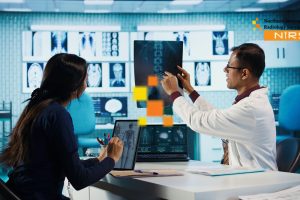
- Reviewing imaging together
- Discussing risks and benefits openly
- Respecting the patient’s voice in the decision-making process
This empowers patients and elevates the interventional radiology patient experience to a collaborative level.
✅ A Calm, Respectful Environment
Unlike traditional surgical settings, IR suites are designed to be:
- Less intimidating
- More private
- Focused on patient comfort and dignity
This environment greatly enhances the emotional and psychological comfort of patients undergoing treatment.
📝 Pre-Procedure Guidance: What Patients Need to Know Before Interventional Radiology
Preparing for an interventional radiology (IR) procedure can feel overwhelming—but with clear guidance and proper support, patients can enter treatment with confidence. Understanding what to expect is a crucial part of improving the interventional radiology patient experience.
Here’s a detailed breakdown of what patients need to know before undergoing an IR procedure that interventional radiology patient experience.
✅ 1. Understanding the Procedure
Your IR doctor will explain:
- What the procedure involves (e.g., ablation, angioplasty, embolization)
- Why it’s being recommended
- Expected benefits and outcomes
- Potential risks and how they’re managed
This step ensures that patients give informed consent and fully understand the goal of the treatment.
✅ 2. Pre-Procedure Instructions
Patients typically receive a checklist or instructions, which may include:
- Fasting (no food or drink for a few hours before the procedure)
- Medication guidance (what to stop, continue, or adjust)
- Hydration tips (staying well-hydrated the day before)
- Clothing advice (wear loose, comfortable clothes)
- Arrival time and logistics (when and where to check in)
Following these instructions closely helps ensure a smooth and safe experience.
✅ 3. Medical History Review
The radiology team will go over:
- Current medications
- Allergies (especially to contrast dye or iodine)
- Prior surgeries or complications
- Existing medical conditions (e.g., diabetes, kidney issues, bleeding disorders)
Patients should bring a complete medical record or list of medications, as this is vital for safe planning.
✅ 4. Imaging and Labs
Most procedures rely on up-to-date diagnostic information:
- You may be asked to undergo imaging (CT, MRI, ultrasound) before the day of the procedure
- Basic bloodwork may also be required to check kidney function, bleeding risk, and infection markers
These help the interventional radiologist plan and customize the treatment approach for optimal outcomes.
✅ 5. Support and Transportation
Because most IR procedures are outpatient or minimally invasive:
- You’ll need someone to drive you home
- You may require light assistance at home for a day or two
- Arrange for a friend or family member to accompany or support you if needed
This ensures safety during the immediate post-procedure recovery period.
✅ 6. Mental and Emotional Preparation
It’s normal to feel nervous. Reputable centers like Northern Interventional Radiology Services (NIRS) provide:
- Emotional support
- Patient counseling
- Educational materials (pamphlets, videos, visuals)
- Contact numbers for pre-procedure questions
Creating a calm, informed mindset enhances the overall interventional radiology patient experience and recovery.
✅ 7. Ask Questions
Don’t hesitate to ask your radiology team about:
- Pain or sedation management
- Length of procedure
- When you can eat afterward
- What recovery will look like
- Who to contact in case of issues
Open dialogue reduces anxiety and builds trust between patient and provider.
🩺 Post-Procedure Support and Follow-Up in Interventional Radiology (IR)
The success of interventional radiology (IR) doesn’t end when the procedure is complete. What happens after is just as vital. Post-procedure care ensures a safe recovery, helps monitor for complications, and maximizes treatment outcomes. Here’s what patients should expect in the post-procedure phase of their IR journey that interventional radiology patient experience.
✅ 1. Immediate Recovery and Observation
After the procedure:
- You’ll be moved to a recovery area for close monitoring (typically 1–4 hours)
- Nurses and technicians will check your:
- Vital signs
- Puncture site (for bleeding or swelling)
- Pain levels and comfort
- If sedation was used, you’ll recover under supervision until you’re fully alert
This step ensures there are no immediate complications before discharge.
✅ 2. Clear Discharge Instructions
Before going home, you’ll receive a customized discharge guide, which usually includes:
- Activity restrictions (e.g., no heavy lifting, avoid driving for 24 hours)
- Wound care instructions for the catheter entry point
- Signs of concern to watch for (e.g., fever, unusual bleeding, shortness of breath)
- When you can resume medications, showering, or eating normally
Clear take-home instructions are essential to avoid complications.
✅ 3. Pain and Symptom Management
- Most IR procedures are minimally painful, but some discomfort is normal (e.g., cramping after uterine fibroid embolization)
- Pain is usually managed with:
- Oral medications (e.g., acetaminophen or NSAIDs)
- Cold compresses at the site if needed
- Your doctor will tell you what’s normal vs. abnormal so you can act quickly if issues arise
✅ 4. Follow-Up Appointments
Your interventional radiologist will schedule a follow-up, often:
- Within 1–2 weeks after the procedure
- May include physical exam, imaging tests, or lab work
- Ensures the treatment worked effectively and checks for any delayed side effects
These appointments are key to tracking healing and long-term results.
✅ 5. 24/7 Patient Helpline
Trusted IR centers like Northern Interventional Radiology Services (NIRS) often provide:
- A dedicated contact number for post-procedure concerns
- Immediate access to a care team if symptoms worsen or uncertainty arises
This gives patients peace of mind and rapid access to help.
✅ 6. Long-Term Monitoring (If Required)
For certain IR treatments (e.g., tumor ablation or stent placement), patients may need:
- Repeat imaging (e.g., CT, MRI, ultrasound at 3 or 6 months)
- Progress checkups with their referring physician or specialist
This ensures the intervention is still working as intended over time.
✅ 7. Patient Education and Support
- You’ll often be given resources like:
- Educational brochures
- Videos explaining home care
- Access to a patient portal to ask questions
- Some patients also benefit from support groups or care coordinators, especially for complex or chronic cases
Patient-centered IR practices focus on empowering individuals throughout the recovery journey.
✅ 8. Open Communication with Referring Doctors
A good IR team:
- Shares results with your primary care provider or specialist
- Coordinates care if you need follow-up treatments (e.g., oncology, vascular surgery)
- Ensures that your entire care team stays informed
This seamless collaboration enhances overall health outcomes and streamlines your recovery. interventional radiology patient experience.
🌟 Final Thought:
Post-procedure support in interventional radiology is designed to promote maximum healing with minimal disruption. At Northern Interventional Radiology Services, we’re committed to guiding every patient beyond the treatment table—with care, compassion, and clear communication at every step.
📌 Conclusion: Interventional Radiology Patient Experience – A Path to Better Healing
At Northern Interventional Radiology Services (NIRS), the interventional radiology patient experience is centered around comfort, precision, and care. From pre-procedure consultations to post-procedure follow-ups, every aspect of treatment is designed to be patient-friendly. The minimally invasive nature of IR procedures offers faster recovery, reduced hospital stays, and minimal pain—resulting in a better quality of life. Whether it’s image-guided biopsies, vascular interventions, or tumor ablation, the interventional radiology patient experience empowers patients with effective, targeted, and personalized treatments.
The growing trust in interventional radiology is reshaping modern healthcare. As more people seek safer alternatives to surgery, IR stands out for its ability to deliver maximum healing with minimal intervention. At NIRS, we believe in making every interventional radiology patient experience smooth, informative, and successful.
❓ Frequently Asked Questions (FAQs)
Q1: What makes the interventional radiology patient experience different from traditional surgery?
A: IR procedures are minimally invasive, use imaging guidance, and typically involve less pain and quicker recovery, enhancing the overall patient experience.
Q2: Is interventional radiology safe for all patients?
A: Yes. At NIRS, our interventional radiologists assess each patient thoroughly to ensure the safest, most effective approach tailored to their condition.
Q3: How long is the recovery time after an IR procedure?
A: Most patients experience significantly shorter recovery times compared to surgery, often returning to daily activities within a few days.
Q4: What conditions can interventional radiology treat?
A: IR is used for vascular conditions, tumor treatment, biopsies, drainage, and even chronic pain management, making the interventional radiology patient experience versatile and broad.
Q5: Will I receive guidance before and after the procedure?
A: Absolutely. NIRS ensures detailed pre-procedure education and continuous post-procedure support as part of the complete interventional radiology patient experience.
Q6: Are IR procedures done under general anesthesia?
A: Most are done using local anesthesia and sedation, minimizing risks and enhancing the interventional radiology patient experience.
Q7: Can interventional radiology help cancer patients?
A: Yes. IR techniques like tumor ablation and chemoembolization are common and effective for certain cancers.
Q8: Is interventional radiology covered by insurance?
A: In most cases, yes. We recommend confirming with your provider, and NIRS can assist with the process.
Q9: Who performs IR procedures at NIRS?
A: Our board-certified interventional radiologists with years of experience ensure high-quality care and a trusted interventional radiology patient experience.
Q10: How do I schedule a consultation at NIRS?
A: You can call, email, or reach us via our Facebook or Instagram page to book a personalized consultation with interventional radiology patient experience
📞 Contact Us
At Northern Interventional Radiology Services (NIRS), we’re dedicated to transforming the interventional radiology patient experience. For appointments, guidance, or questions, connect with us today:
- 📧 Email: Info@nirs.com.pk
- 📱 Phone: +92316 5212015
- 🌐 Website: www.nirs.com
- 📍 Location: IDC Small industrial Chowk Mandian Abbottabad Near Ayub Medical Complex
- 💬 Facebook: nirs
- 📸 Instagram: nirs
Experience compassionate care and cutting-edge treatment—because every interventional radiology patient experience matters.